Terrace at Seven: Mediterranean Style Without the Costume
From the Amalfi Coast to Hydra: how to pack for a long dinner without looking like a walking collection. Linen, one scarf, a pair of sandals that actually hold up. A travel essay on lightness as discipline.
Seven o’clock on the Mediterranean isn’t dinner time, it’s a colour. The light flips from harsh to gold, the stones radiate the day’s warmth. Somewhere a glass chinks. Dinner arrives later, often closer to nine or ten. What you wear now doesn’t decide a performance, it decides an entire evening: whether you still want to move when the heat lifts and the breeze picks up.
- Linen and other lightweight naturals are the foundation because they tolerate heat and don’t look rumpled by evening
- A single good silk scarf or understated piece of jewellery replaces three loud accessories
- Sandals that actually hold up carry the evening; one pair beats three compromises
The Hours Before Dinner
It pays to read the clock right. On the Amalfi Coast and Greek islands, proper dinner rarely starts at seven. Seven is terrace hour, the time for an aperitivo, a glass, a conversation in half-shade. Whoever grasps that packs differently, not for one moment, but for the long slide from blazing afternoon to cooler night.
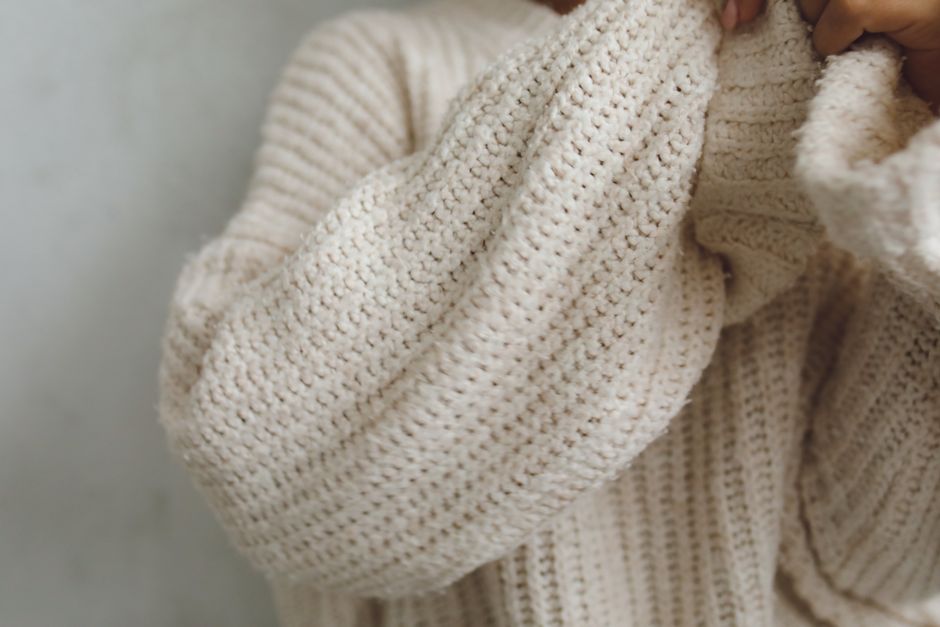
That’s where the art lies. An outfit that works at seven on a sunlit terrace must still feel right at ten by the water in the breeze. No statement piece can do that; only a fabric that moves with you. Linen is the obvious choice because it absorbs warmth, breathes, and drapes in a way that doesn’t collapse after hours.
Why Linen Is the Most Honest Choice
Linen suffers from a bad reputation among those who’ve worn it badly once. Too thin, too creasy, too quick to tire. That’s almost always a quality issue, not a material flaw. Well-woven linen doesn’t crease from sloppiness; it creases from living. The difference shows. The folds of good linen are soft; the folds of cheap linen are hard.
On a Mediterranean terrace that behaviour is pure gold. The cloth soaks up the day’s heat and gives it back slowly, settling a little softer with every hour. You don’t need to iron, tug, or police it. That’s the luxury you don’t see: a garment that carries the evening with you instead of demanding care.

One Scarf Instead of Three Ideas
The travel mistake is rarely too little, usually too much: three chains, two bags, a hat that doesn’t fit. On the Mediterranean that quickly reads overdone because the light and the setting already deliver so much. The most elegant move is reduction: a single good piece that carries the rest.
A silk scarf can be that piece. It frames the face, warms the shoulders when the wind rises, rescues a simple look without shouting over it. If you choose jewellery, pick pieces with handwriting instead of logos. In Athens, for example, Studio Neso crafts gold, gilt and silver items in lost-wax casting, artisan, logo-free. That’s the right category: legible to those who know, invisible to everyone else.
On the Mediterranean the light and the setting already deliver so much. One good piece carries the rest; three loud ideas tip straight into costume.
Sandals That Carry the Evening
Shoes matter more than you think. On cobblestones, wooden walkways, and the quays of a car-free island like Hydra, you need something that holds up yet looks effortless. For holiday season, leather sandals with honest craftsmanship are the suitcase classics, think the pearl-embellished styles from Ancient Greek Sandals. One pair that fits does the work of three that almost do.
Hydra is a perfect example. The island has no motorised vehicles; in high summer the harbour echoes only with water against the quay walls and the occasional clip-clop of hooves on stone. In such a setting, every misfit stands out: the shoe that pinches, the dress that fights the wind. Pack right and you won’t notice, because nothing fights back.
From Positano to Hydra, in Your Mind
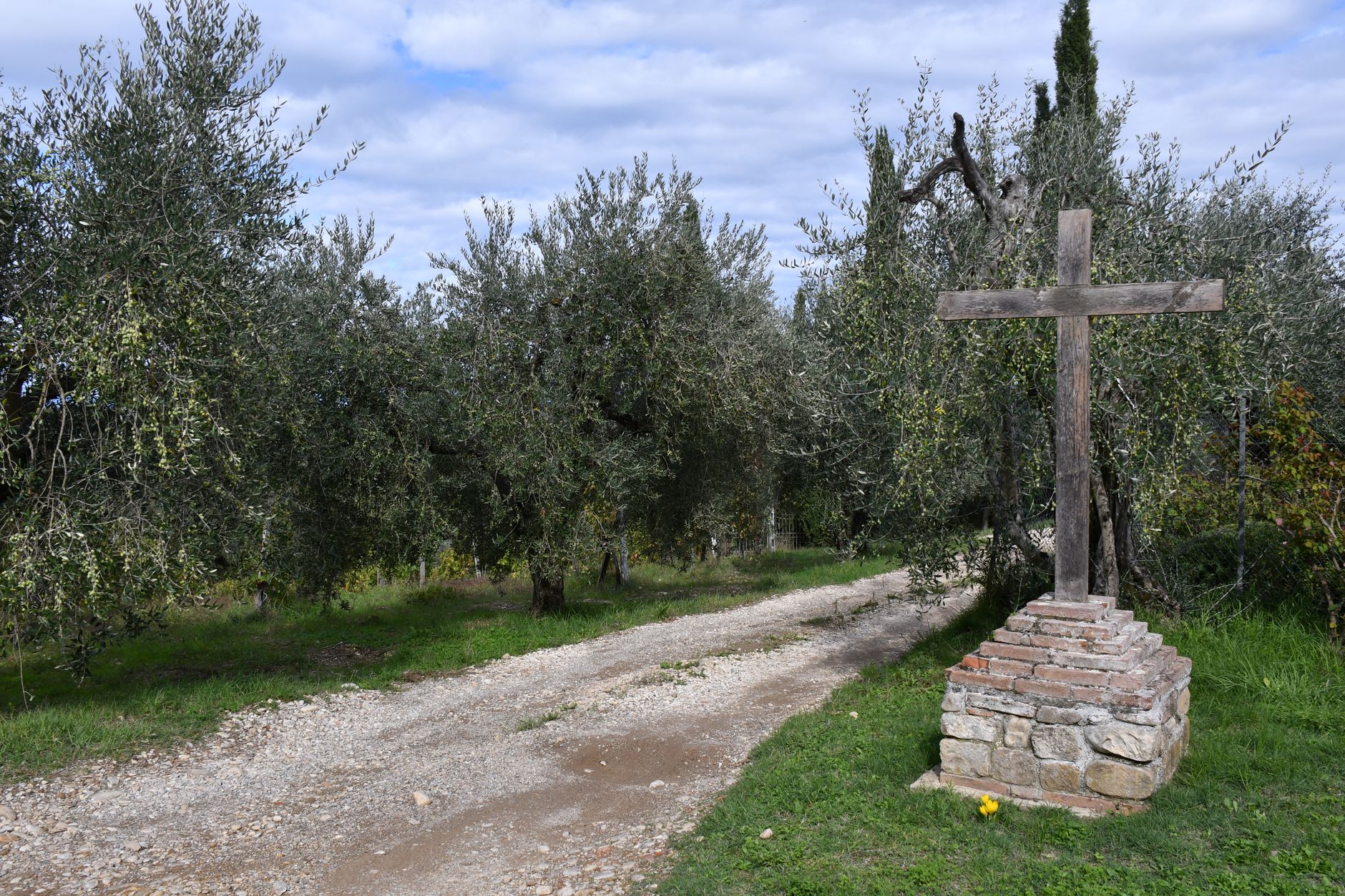
Positano and Hydra aren’t on the same route. One belongs to the Amalfi Coast in Campania, UNESCO-listed since 1997 for its terraced citrus groves clinging to steep slopes, the other to the Saronic Gulf in Greece. Between them lie a country and a sea. Yet as mental landmarks they work like a bow: two places that demand the same quiet, material-aware, unshowy register.
What links them is an evening register that doesn’t need to shout. In both settings the loudest guest is the first to feel out of place. The dry-stone walls that hold the lemon terraces on the Amalfi Coast are themselves a picture of good travel dress: they do their job without pushing themselves forward.
What Finally Makes It Into the Suitcase
The best travel wardrobe is the one you stop thinking about come evening. No tugging, no dragging, no second-guessing in front of the mirror. A good linen piece, a scarf, a pair of sandals that hold up, a piece of jewellery with character. That’s all the Mediterranean asks for. Less is never more.
The rest is light. And that you can’t pack; you find it there, every evening around seven, when the stones are warm and the breeze is still holding its breath.
Good to Know
▸Why is linen so practical for Mediterranean evenings?
Linen absorbs heat, breathes, and drapes in a way that doesn’t collapse after hours. Well-woven linen creases softly instead of sharply and rarely needs pressing before dinner.
▸What time is dinner typically on the Amalfi Coast and Hydra?
Actual dinner often starts around nine or ten. Seven o’clock is more aperitivo and terrace hour, a long slide from the hot afternoon into the cool night.
▸How do I spot discreet jewellery without logo noise?
Look for craftsmanship over branding. Workshops like Athens-based Studio Neso cast gold and silver in lost-wax technique, recognisable to connoisseurs, invisible to everyone else. One signature piece replaces three noisy accessories.
Image credits: Hero image and in-post images via Pexels.