Werdenfelser Land, between Wetterstein and Wamberg
Schloss Elmau: Built for Silence, Famous for Sound
A house at 1.008 meters, built for silence, made famous by sound.

 Hotel Dispatch
A house at 1.008 meters, built for silence, made famous by sound.
There are places that want to be found, and then there is Schloss Elmau. The road there ends where the valley closes in. No through traffic, no second turnoff, just this single house nestled between walls of rock and forest. Anyone arriving here didn’t just stumble by chance.
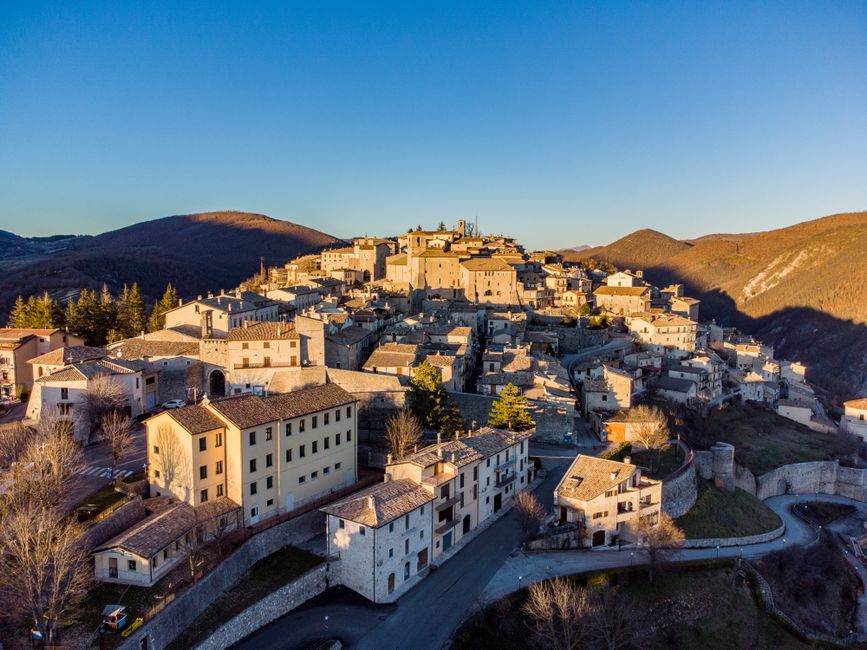
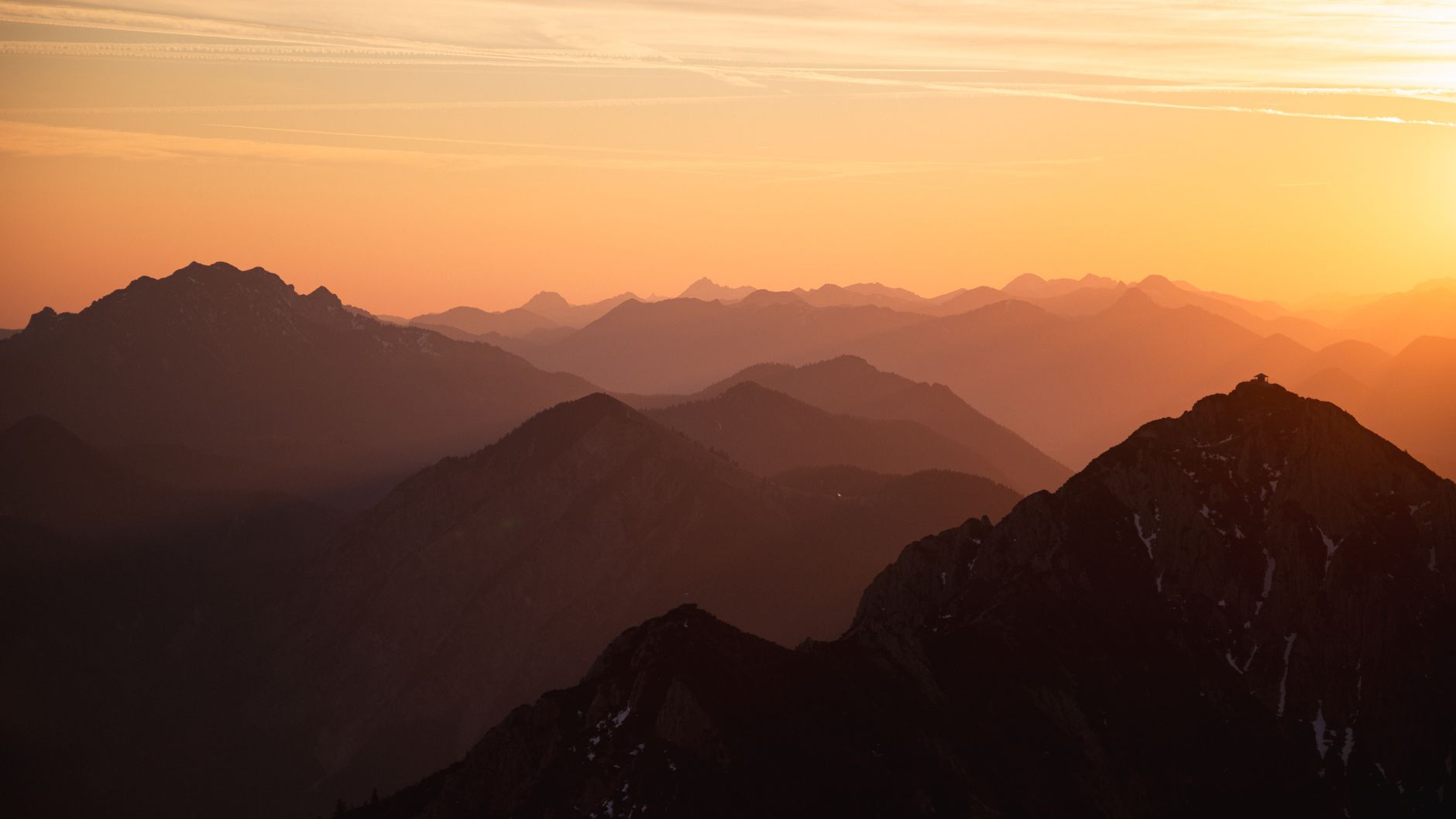
The name is slightly misleading. ‘Schloss’ evokes towers, battlements, and a lord looking down from above. Elmau is none of that. It is a long, low building with a hipped roof and a quiet tower, lightly plastered, sprawling across a hollow at 1.008 meters. The Wetterstein Mountains surround it, with the Wamberg opposite, and between them lie meadows so vividly green in June that you momentarily forget how high up you actually are.
The Werdenfelser Land doesn’t shout about its beauty. It’s not postcard kitsch with geraniums on every balcony, but a quieter breed of Alps: dark forests, crisp light, a tone that murmurs rather than shouts. Elmau fits right in. The name itself is old, first appearing in a document in 1395, long before anyone thought to build a house for music on this very spot.
Elmau was built between 1914 and 1916, right in the middle of a war, which only makes it more unusual. The client was Johannes Müller, a theologian and philosopher of life, one of those turn-of-the-century figures who firmly believed that modern people needed a retreat to find themselves again. Elmau was conceived exactly for that purpose: an open space away from the city, far from the noise, a house for reflection and conversation.
Carl Sattler provided the design, working in the style of Reform Architecture. At the time, this was a deliberate counter-movement. Away from the overloaded historicism that packed every facade with columns, bay windows, and plaster, toward clear proportions, calm surfaces, and honest materials. A house shouldn’t try to impress; it should resonate. Anyone standing before Elmau today sees exactly that: no posturing, no frills, an architecture that draws its dignity from stillness.
This origin explains why Elmau doesn’t look old, even after more than a century. A form with correct proportions never goes out of style. It only matures. Parts of the building are now listed as a historic monument in the Bavarian Monument Register, and that’s more than a bureaucratic footnote. It’s official confirmation of what you feel anyway: something was decided right here once, and it has endured.
Müller wanted a place for people seeking quiet. What he got was a place where music never fully fell silent again. The two contradict each other less than you might think.
If a place begins with an idea, it carries that idea forward through all renovations. Elmau has changed its function more than once-from a philosophical retreat to a wellness center to today’s hotel. What remains is the core idea: a house that invites you to slow down.
The most surprising thing about Elmau is that the concerts were not added later as a marketing gimmick or upscale side program. They were there from the beginning. Already at the opening on Pentecost 1916, music was played, and in the first year alone, 150 concerts took place. That’s not just a number for a Sunday afternoon. It’s a house where music was never a guest, but a resident.
You have to imagine it. War in Europe, scarcity everywhere, and yet, week after week, music is played in a newly built house high in the Bavarian Alps. The idea behind it wasn’t entertainment. Here, music was considered part of the same inner work for which the whole house was intended. You didn’t listen to pass the time, but to bring something within yourself into order.
This tradition has never fully left Elmau, and it remains today the true heart of the place. Classical concerts are part of the house’s DNA-not as an addition, but as a legacy. Whoever reduces Elmau to the word “five-star” misses the point. Many houses have stars. A concert tradition older than most festivals in the country-few have that.
It’s worth briefly pausing to consider the literary heritage, because it explains the atmosphere. Elmau was never just a concert hall with beds. It was a place of conversation, a house where thoughts were formed, books were read, and discussions took place. This mix of music and intellect still gives the place its tone today. You don’t come to Elmau to be seen. You come to take something with you.
Exactly this combination also explains why the concerts here never sound like a program-they sound like a necessity. Whoever builds a house for thinking inevitably builds it for music too, because both require the same breath: time, peace, and a space that doesn’t disturb.
The Real Value
Sterne haben viele Häuser. Eine Konzerttradition, die älter ist als die meisten Festivals des Landes, hat fast keines.
That is exactly what distinguishes Elmau from the kind of luxury that only wants to look expensive. Here, it’s not the logo that matters, but the origin. A house that has been playing since 1916 doesn’t need to explain itself. It simply continues to sound.
2005, it burned. A fire in a building over ninety years old is always a turning point, and it could have been the end. Many historic houses don’t survive such an event, or they are transformed into soulless copies of themselves. Elmau took a different path.
From 2006 to 2007, the castle was rebuilt, this time as a Five-Star Hotel. It sounds like a break, but it’s more of a continuation. The reconstruction preserved the character of the place and translated it into the present. From a refuge for contemplation, it became a house that now offers this tranquility as a host, with the comfort today’s guests expect, without selling off the old spirit.
Here is a form of sustainability that has nothing to do with labels. The most sustainable thing about Elmau is Elmau itself. A house that you don’t tear down after a fire, but carefully restore, is the most honest answer to the question of what permanence really means. Not shining anew, but continuing to count.
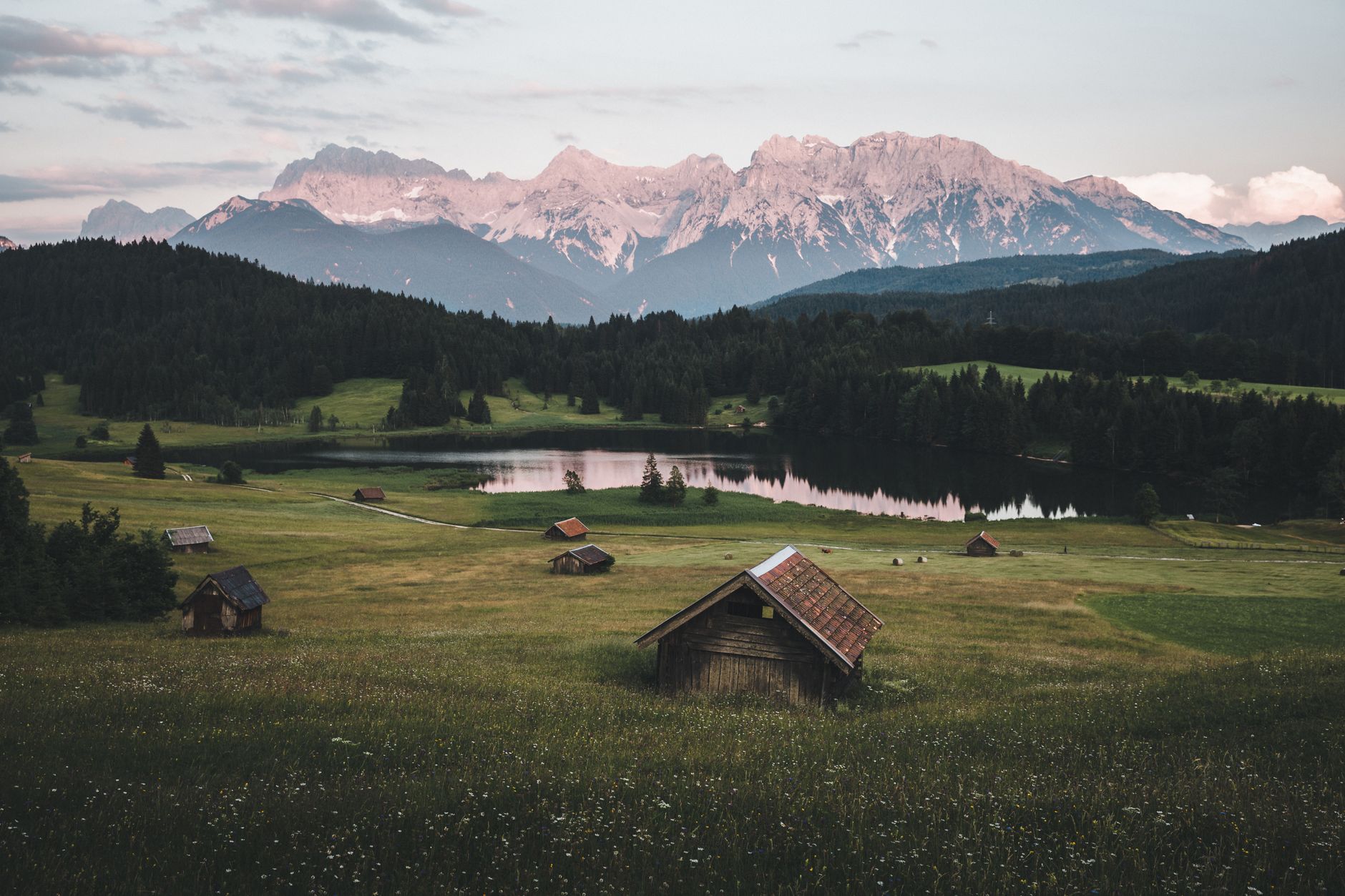
Elmau’s ability to survive this second beginning so well also lies in its location. A house at the end of a valley, surrounded by mountains, can afford its peace. It doesn’t need to chase anyone. The seclusion that Johannes Müller once sought is today perhaps the greatest luxury the place has to offer: real silence, not staged, but geographical.
There is a reason why even people who have never been to the Bavarian Alps know the name Elmau. In 2015 and 2022, the castle hosted the G7 Summit. The heads of state and governments of the seven major industrial nations met here, secluded from the valley, watched by the whole world.
At first glance, this seems contradictory. A place built for retreat and silence becomes the stage for the loudest politics. On second thought, it makes sense. Whoever places a summit at a location where the road ends in the valley is looking for exactly what Elmau has always stood for: distance, concentration, a house that one doesn’t casually enter. The location that once served Müller’s guests for inner calm now served outer security.
These two summits were an unusual matter for the reputation of the house. They made Elmau world-famous without changing its essence. After the delegations, the barriers, and the camera crews, it returned to what it is: a quiet house in the mountains, where someone plays the piano in the evening. Fame has never been able to touch this place because its substance does not depend on attention.
Perhaps that is the true lesson of Elmau. A place with a solid foundation can withstand any role assigned to it. Refuge, concert hall, wellness retreat, hotel, summit location: Elmau was all of these, and remained the same throughout. A house built for silence and drawing its dignity from silence.
You leave Elmau the same road you came on, because there is no other. The valley slowly opens up again, the Wamberg moves aside, the Wetterstein remains in the rearview mirror for a while. And there remains this one thought: that more than a hundred years ago, someone decided to build a house for silence at exactly this spot, and that silence has never been entirely silent, because someone has always been playing.
This is the core. No star, no peak, no brochure. But rather a place that has known since 1916 that the most beautiful form of luxury is often the quietest. Elmau doesn’t need to loudly declare this. You hear it the moment the first note falls.
What remains visible above all is the fundamental principle: clear proportions, serene surfaces, and a rejection of historicist ornamentation. The elongated building with its hipped roof and understated tower follows the idea that form should be right rather than merely impressive. Parts of the building are listed as historical monuments in the Bavarian Heritage Register, and the reconstruction from 2006 to 2007 preserved this character.
It is located at an altitude of 1,008 meters at the foot of the Wetterstein Mountains in Krün, in the Garmisch-Partenkirchen district. The valley ends at the estate, and there is no through traffic.
Since its opening. As early as its first year in 1916, 150 concerts took place at Elmau. Music was part of the estate from the very beginning, not a program added later.
Schloss Elmau hosted the G7 Summit in 2015 and 2022. Its secluded location at the end of the valley made the estate suitable for such a meeting, without its tranquil character suffering any permanent damage.