Guide · Onsen
Ryokan in winter: What makes a good onsen experience
How to recognise a good onsen at a ryokan: the legal definition of spring water, gensen kakenagashi, bathing etiquette and an open-air bath with a view of the snow.

 Hotels & Hideaways
How to recognise a good onsen at a ryokan: the legal definition of spring water, gensen kakenagashi, bathing etiquette and an open-air bath with a view of the snow.
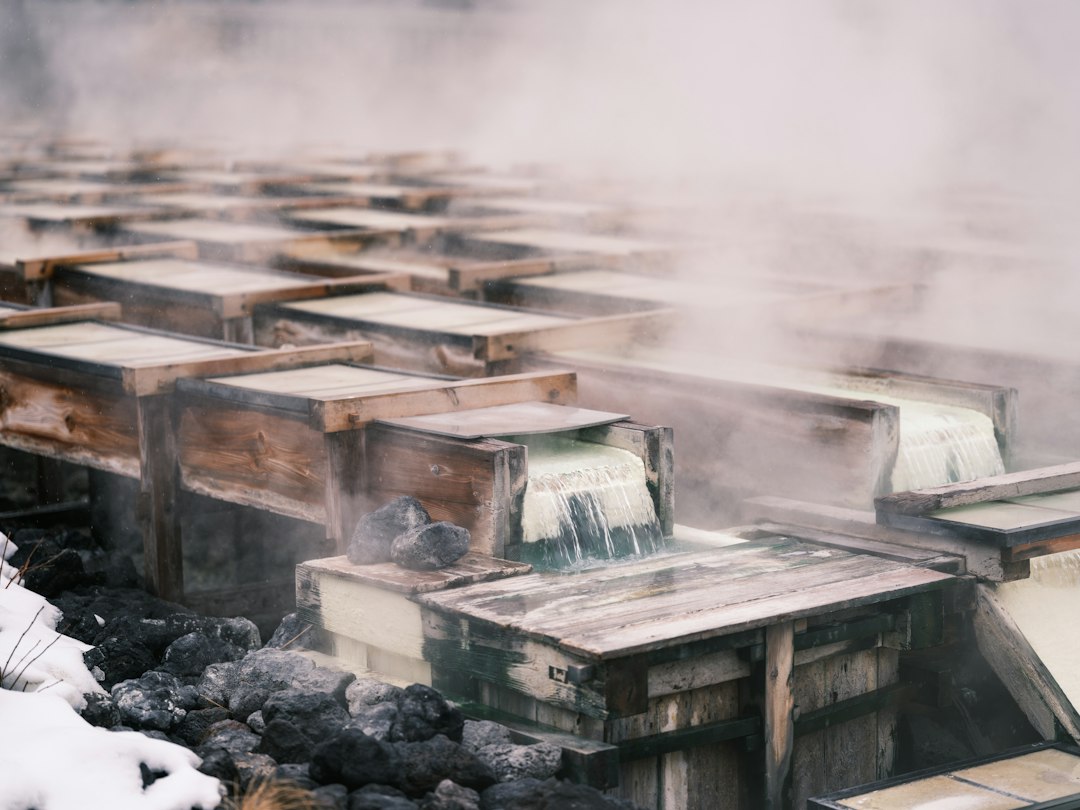
In winter, snow lies around the pools and steam rises from the water. A few things will tell you whether the bath at your ryokan is a good one: where the water comes from and how it is managed, the bathing routine and the safety of the paths in winter. There are also options for those who prefer to bathe in private.
The Japan National Tourism Organization JNTO sets out a clear sequence in its onsen guide. Before bathing, wash thoroughly with soap and shampoo at the washing stations and rinse everything off. Before stepping into the pool, pour hot water over your body to get used to the temperature. According to JNTO, this helps prevent a sudden rise in blood pressure. This step has a name of its own: kakeyu. It is especially relevant in winter, when your body is coming in from the cold and the pool is steaming.
There are clear rules for the towel, too: keep the small towel out of the water, placing it folded on your head or at the edge of the pool. Tie up long hair. JNTO’s reasoning is simple: the onsen water should stay clean and pure for everyone who enters the pool after you. You bathe naked, leaving your swimwear in the changing room. Changing rooms are always separated by gender, as are the vast majority of pools.
Once you know the routine, you can move around the bath with confidence. Uncertainty usually comes from unfamiliar steps, rarely from difficult ones. For your first visit, it is enough to take a moment to go through the steps before entering the water.
The most reliable benchmark comes from Japan’s Hot Springs Act of 1948. It defines an onsen as water, steam or gas from underground that is at least 25 degrees Celsius at the source. The name onsen therefore refers to a verifiable standard. That standard is the first point of reference when you assess a property.
Alternatively, the chemical criteria are sufficient: the water must meet at least one of 19 specified criteria for its composition, such as at least 1000 mg of dissolved substances per kilogram, excluding gases. A property can therefore qualify its water by temperature or by composition, with both carrying equal weight. The word onsen has a measurable definition behind it.
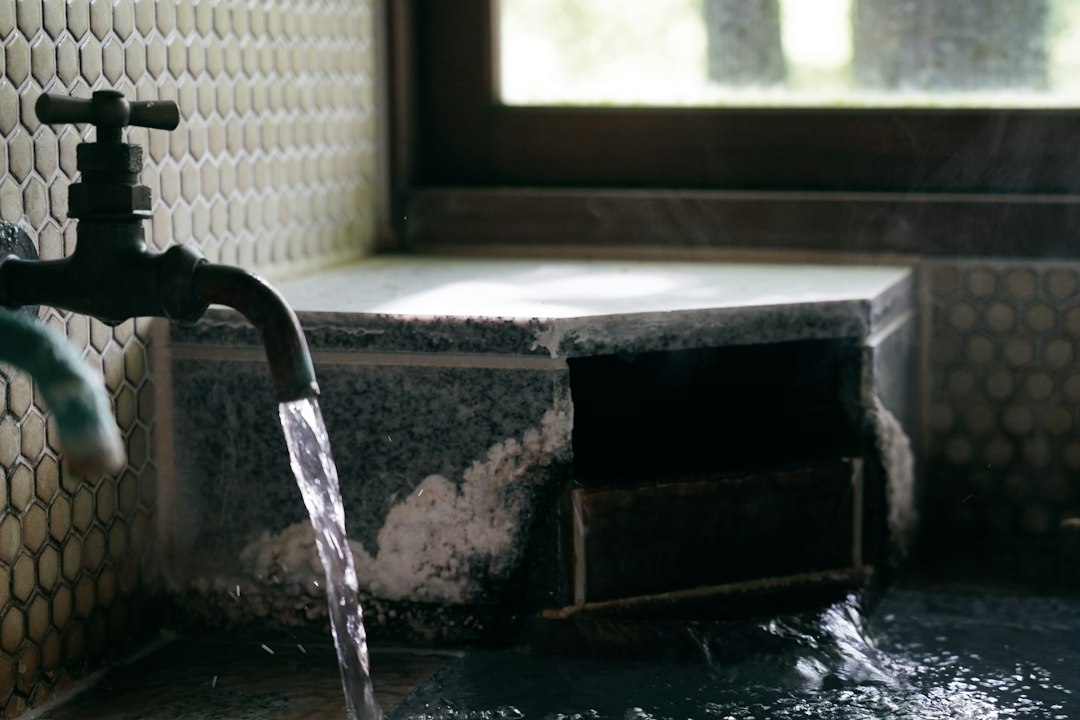
The principle of gensen kakenagashi governs the water more strictly. Spring water flows continuously into the pool and overflows at the edge, entirely without recirculation or filtration. The pool water is continually renewed, so you bathe in a constant flow of fresh spring water. A kakenagashi pool therefore has no closed water circuit.
Because practices around heating or diluting kakenagashi water vary, it is worth asking how the water is managed. If untreated spring water matters to you, ask directly about this principle before your visit. The term itself is the best place to start.
An open-air bath where you can look out at snow as you soak is called a yukimiburo, literally a snow-viewing bath. JNTO features such snow-viewing baths in Gunma Prefecture, including the milky-white waters of Manza at an altitude of 1800 metres. Snow does not need to be falling for a snow-viewing bath; a snow-covered landscape is enough. The view matters more than the weather forecast.
Visit Hokkaido describes bathing with a view of the snowy landscape as an experience available only in winter. For Tokachidake, the site mentions diamond dust in the coldest months. With examples in both Gunma and Hokkaido, the experience is not confined to any one region. When you assess a winter bath, the surroundings themselves become part of the picture.
This scene does, however, come with its own hazards. According to guides, these lie less in the pool than on the way there. Moving from the warm water into the winter surroundings is part of the experience, but it calls for care.
Snow does not need to be falling for a snow-viewing bath; a snow-covered landscape is enough.
More dangerous than the pool itself, according to one guide are the slippery paths through snow and ice. This is especially true of the route between the indoor and outdoor baths. Allow plenty of time and check the surface before taking your first step to make the walk outside less treacherous.
Once in the water, moderation matters. Do not drink alcohol before bathing: JNTO explicitly advises against it because it impairs judgement. Do not stay in the hot water too long, either. If you feel too hot, get out and drink cool water.
These precautions apply in every season. In winter, slippery paths are an added concern, so allow a little more time between dips. Care on the paths and moderation in the water are enough to keep your snow-viewing bath relaxing.
Not every guest wants to bathe in a large communal pool. Some traditional onsen turn away guests with tattoos, although JNTO says this is changing. JNTO suggests tattoo-friendly properties and private baths known as kashikiriburo, which you can use on your own. It also recommends checking a property’s tattoo policy in advance. Some onsen offer small covering plasters, although these are suitable only for very small tattoos. To be sure, check before booking.
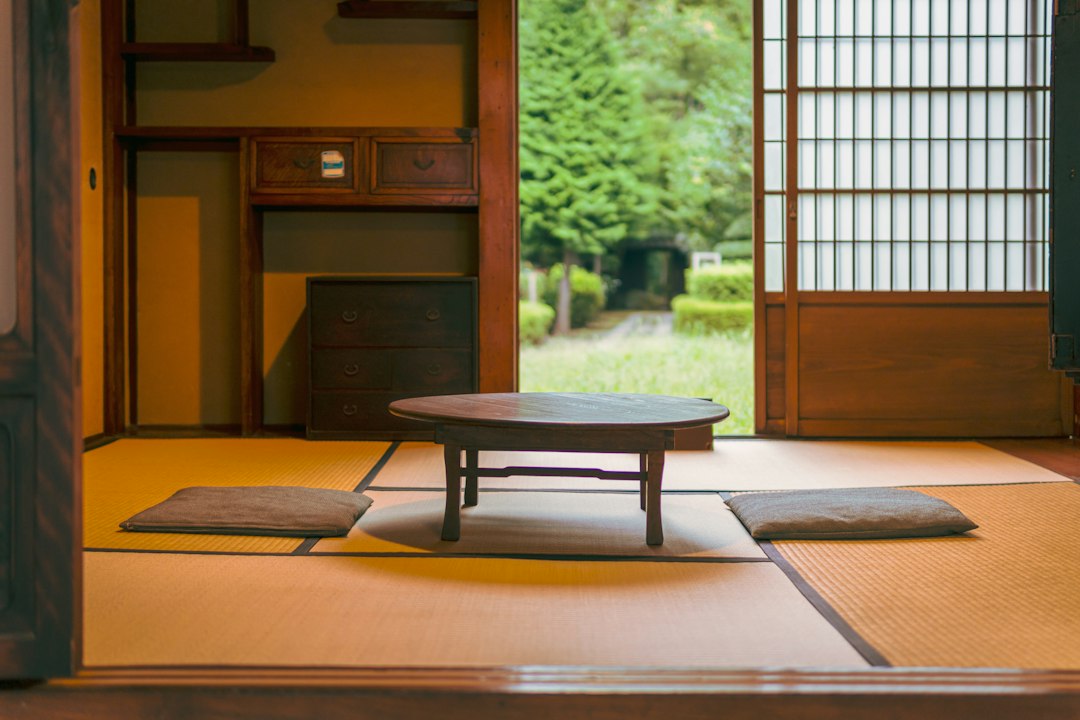
For even more privacy, choose a room with its own open-air bath, known as a rotenburo. JNTO specifically recommends this option to guests who feel uncomfortable undressing in front of others. The pool belongs to your room, so you share it with no one. It combines the privacy of your own space with bathing under the open sky.
Both options offer more privacy in different ways. A kashikiriburo is a separate bathing room for private use, while a room with a rotenburo combines your living space with an open-air bath. Which suits you depends on how much privacy you are looking for. In both cases, the bathing rules remain the same; only the setting is more private.
If how the water is managed matters most to you, look for gensen kakenagashi. Overflowing pools without recirculation or filtration are continuously replenished, keeping you connected to the spring. The legal definition provides a verifiable framework, giving you a basis for asking a property directly how it manages its water.
Guests with tattoos or those who feel uncomfortable bathing with others can choose a kashikiriburo or a room with its own rotenburo, both alternatives mentioned by JNTO itself. Both give you a quieter setting in which to bathe.
If you want to experience the winter landscape, a yukimiburo offers an experience that, according to Visit Hokkaido, is available only at this time of year. In every case, the same order of priorities applies: first the source of the water, then the bathing rules, and finally the paths through the snow. When these are right, the water, routine and surroundings come together.
Japan’s Hot Springs Act defines an onsen as water, steam or gas from underground. It must be at least 25 degrees at the source or meet at least one of 19 specified criteria for its composition.
No. Place it folded on your head or at the edge of the pool, and tie up long hair. According to JNTO, the onsen water should stay clean and pure.
Some traditional onsen turn away guests with tattoos. JNTO suggests tattoo-friendly properties, a private kashikiriburo or a room with its own open-air bath as alternatives.
Peaceful places, properties with a history and journeys at the right pace. Stay in //Travel.