List · Quiet hotels
Quiet mountain hotels: how to spot them before you book
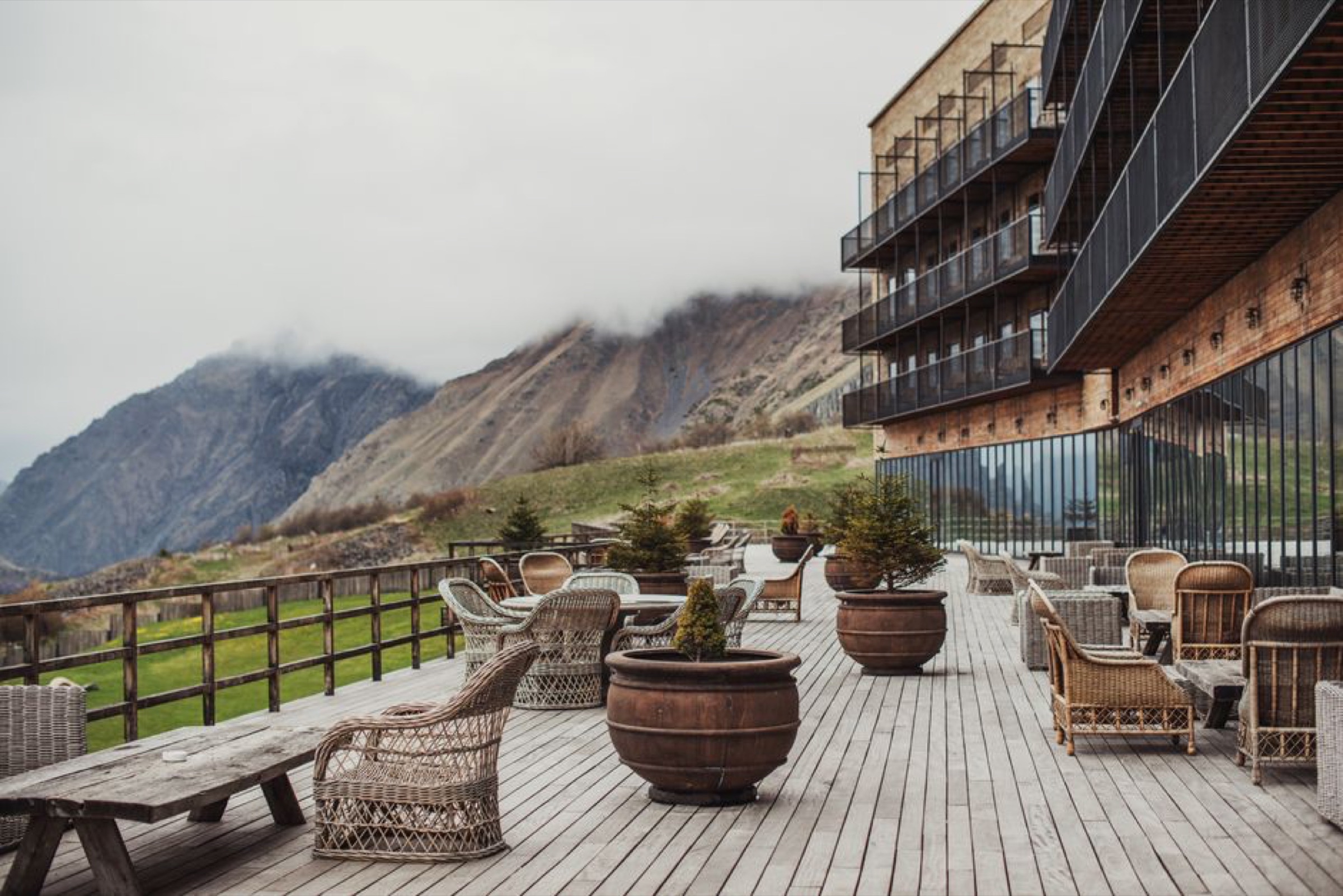
A quiet Alpine hotel in summer: check its setting, capacity and dining rhythm beyond event noise and brochure superlatives.

 Hotels & Hideaways
A quiet Alpine hotel in summer: check its setting, capacity and dining rhythm beyond event noise and brochure superlatives.
High season in the Alps often means full hotels and noisy terraces. If you want peace, good food and scenery, assess each separately and book according to the type of hotel, its capacity and its setting. Brochure superlatives help little. The following list identifies what to look for before reserving.
“Quietly located” appears in many hotel descriptions and often means only that there is no main road. For a peaceful summer holiday in the mountains, the position in the landscape matters: a valley floor with through traffic, the edge of a village with an evening terrace, or a hillside without public paths in front of your room.
Specific addresses show the difference. Alpine Spa Hotel Haus Hirt sits on a hillside in Bad Gastein, around 700 metres from the centre according to Holidaycheck. Guests can choose rooms with valley or panoramic views. FORESTIS Dolomites stands at around 1,800 metres on the south-facing slope of the Plose above Brixen. A lightly travelled forest road leads to it. According to the hotel , the property is around 18 kilometres by road from the centre of Brixen. Das Kranzbach near Krün describes itself as an adults-only retreat on a secluded plateau without through roads or neighbouring activity, surrounded by Alpine meadows and mountain forest. Alpenloge in Scheidegg in the western Allgäu describes its quiet setting on the edge of the Allgäu countryside, overlooking Alpine meadows and the Bregenz Forest and around 20 minutes by car from Lake Constance.
If you are looking for a boutique hotel in the Alps without event noise, check the summer calendars of both the hotel and the town. In St. Moritz, the destination lists the Country Summer Polo Tournament (24–26 July), the Jazz Festival, the Spa Concerts “Music mondaine” and the Engadin Festival among its 2026 events. Kulm Hotel St. Moritz also promotes a curated summer programme called “Sounds of Summer” and positions itself as a venue for celebrations and corporate events. In Sölden, the summer 2026 season includes the BRS Festival (18–21 June), weekly day clubbing at Panorama Alm (Saturdays, 27 June to 22 August) and the Ötztaler Radmarathon. The Gastein Valley hosts Summer:Sounds, sommer.frische.kunst and spa orchestra concerts among other events that summer. Hotels with weekly live entertainment, open-air dinners or an adjoining beach bar create a different daily rhythm from a property with a quiet garden and limited outdoor dining.
Beyond the marketing language, maps and terrain profiles help. If the access road runs below the hotel and the rooms face a south-facing meadow, the sounds at night are often different from those near rooms facing the village street. Alpenloge publishes the orientation of each of its nine units (south-east, north-east, south-west). On its website, Haus Hirt distinguishes room categories with valley and panoramic views. FORESTIS promotes suites that all face south with unobstructed views of the Dolomites. Where floor plans are unavailable, floor numbers, building names and façade photographs can stand in for a site plan.
Room count cannot replace a visit. It is nevertheless a useful proxy: small hotels with limited capacity have fewer simultaneous activities at reception, breakfast and the pool.
Published capacities show the range. Alpenloge lists nine rooms and suites on its website (two suites, six junior suites and one double room). Haus Hirt lists 11 double rooms, 11 studios, 10 suites and one single room, a total of 33 units. Aman Rosa Alpina in San Cassiano lists 51 rooms and suites according to Aman and the Michelin Guide. FORESTIS lists 62 south-facing rooms and suites. Das Central in Sölden has around 125 rooms (220 beds), according to Bergfex. Kulm Hotel St. Moritz lists 150 rooms and suites on its own website. According to the MICHELIN Guide , Das Kranzbach has 134 rooms; other sources give 131 and 136. A practical broad division is fewer than 20, 20–40 and more than 60 rooms.
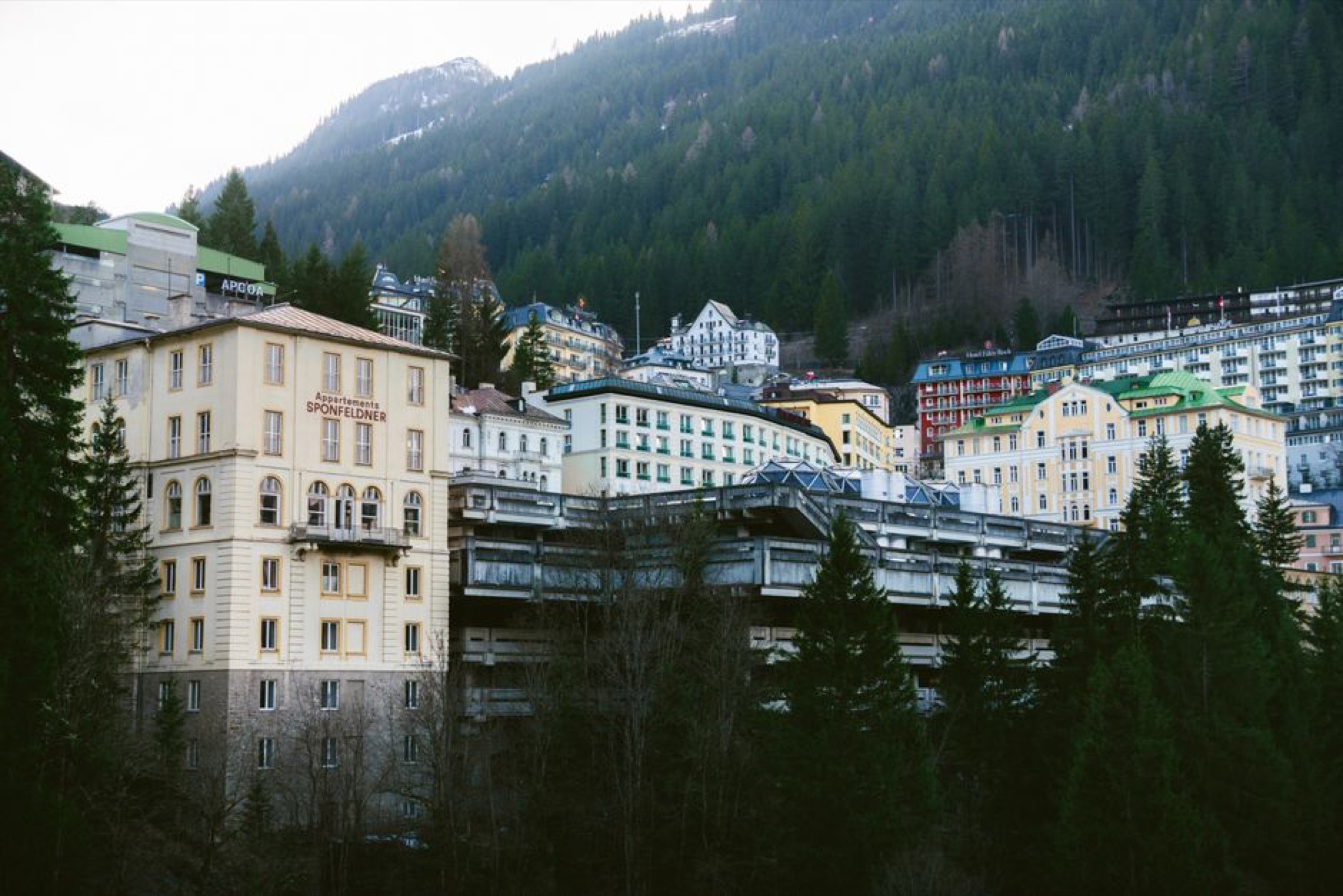
Resort-style properties with many rooms and several dining venues often organise the day around buffet times, entertainment slots and lift shuttles. That need not mean acoustic noise. It does create a sense of density and a constant flow of people. Kulm Hotel St. Moritz lists seven dining options, including Grand Restaurant, Kulm Summer Terrace, Pizzeria, Sunny Bar & Grill and other venues. Das Central in Sölden lists Feinspitz, Ötztaler Stube, Summit Bistro & Bar, Marend Stube and a fondue experience on site, plus mountain dining at Gaislachkogl and Giggijoch. Das Central promotes five-course dinners, weekly gala nights and dessert buffets, plus breakfast until 10:30. Alpenloge, by contrast, keeps operations small: a menu on five days a week in its own restaurant and a limited wellness area (“Badstube”).
If you want a luxury mountain summer holiday with space to withdraw, consider the ratio of guest numbers to publicly accessible space. A hotel with a few suites and spacious grounds feels different from a densely built village complex with a courtyard terrace. FORESTIS emphasises its setting in the Plose forest and also offers a villa available for exclusive booking with its own garden and private spa. Das Kranzbach describes open space, Alpine meadows and a meditation house by Kengo Kuma above the main building. Alpenloge puts it succinctly: “Plenty of space for few guests.” Most hotels do not systematically publish detailed property areas in square metres or exact proportions of suites.
Small hotels with limited capacity have fewer simultaneous activities at reception, breakfast and the pool.
Peace and good food can go together. The question is whether the kitchen organises the evening as an event or as a quiet meal with a clear schedule. Open show kitchens, long tasting menus with multiple waves of service and shared wine bars create social density. Separate dining rooms and limited seats per service reduce it.
Das Central in Sölden lists Ötztaler Stube with one Michelin star (MICHELIN Guide 2026) and 4 toques in Gault&Millau 2026 and promotes five-course menus, gala nights and wine events such as “Wein am Berg – Summer Edition”. In 2025, Travel + Leisure described an evening tasting menu at FORESTIS, an adults-only hotel for guests aged 14 and over. Alpenloge stays with a regional menu on five evenings and an intimate scale. Hotels rarely publish exact seat counts per service.
Wellness without a resort schedule is visible in limited capacity and clearly defined quiet areas. A quiet spa with advance booking and separate relaxation areas works differently from a large pool complex with family sessions and noisy activity pools. Alpenloge describes a small Badstube with a Finnish sauna, saltwater steam bath and relaxation room with a fireplace; Relax Guide 2026 gives it one lily and 14 out of 20 points, emphasising personal attention and quiet. According to its hotel FAQ, FORESTIS reserves its spa for hotel guests and promotes an adults-only policy from age 14. Das Kranzbach positions itself as an adults-only retreat with a spa overlooking the Alpine landscape and no fixed daily schedule. Large thermal baths and family spas in the valley, for example those with late evening opening and event nights, create a different rhythm from these in-house quiet areas.
Dining and spa facilities should fit the same type of hotel. If you want a quiet dinner and a lively pool during the day, you can deliberately choose a mixed setting. If you want both to be quiet, filter for hotels that keep both small. Guest comments on platforms such as SLH and TripAdvisor repeatedly highlight quiet and the spa atmosphere at FORESTIS (“calm and quiet”, “serenity, simplicity, silence”). Holidaycheck guests at Alpenloge highlight its small scale, with only nine rooms, and its personal service. Overall scores and design awards do not replace these signs of quiet.
A short checklist helps before booking. First: is quiet mentioned only in the marketing claim, or backed by details of location, room orientation and house rules? Second: are room count, proportion of suites and public spaces specified? Third: is summer promoted through events or through scenery and food?
A comparison of current hotel websites shows the pattern. Alpenloge, Haus Hirt, FORESTIS and Das Kranzbach provide clues about capacity and location and promote quiet, nature or limited operations. Kulm and Das Central also focus on varied dining, programmes and events. Apply the three checks and you can often distinguish the claim from how a hotel operates before calling reservations.
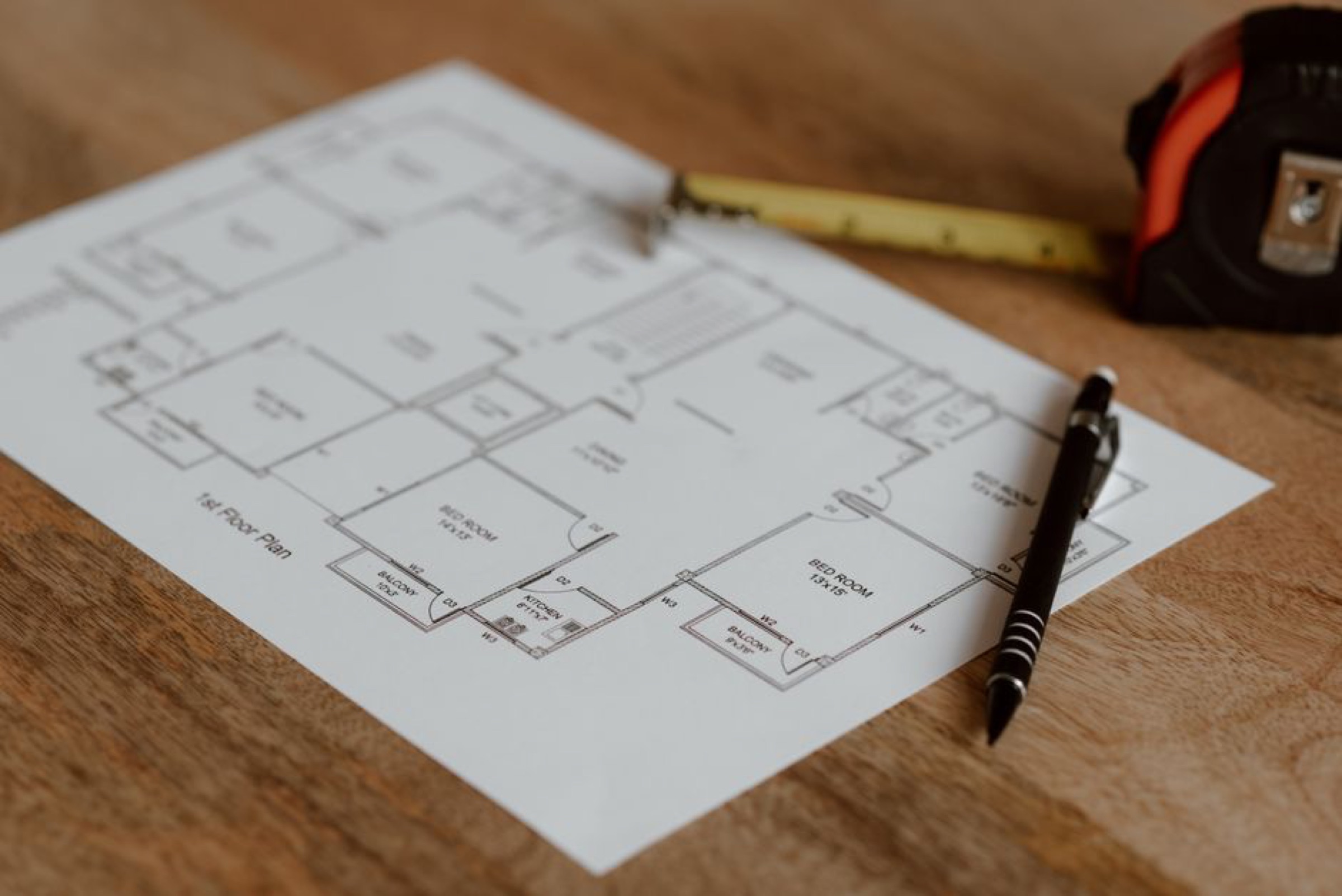
Floor plans and room categories reveal more than adjectives. Rooms above the bar, facing the street or the pool are different from rooms in an annexe or garden wing. Alpenloge specifies the compass direction of each suite. Haus Hirt distinguishes valley and panoramic views and lists studios, double rooms and suites separately. Travel reports on Das Kranzbach distinguish the historic Mary-Portman-Haus from the modern garden wing. Where floor plans are missing, floor numbers, building names and façade photographs on hotel websites and booking portals help.
Independent voices complement the hotel’s own description. Reviews that repeatedly mention quiet nights, noisy terraces or construction noise are often more useful than overall scores. Read specialist articles and guest forums about quiet Alpine hotels chronologically: a renovation or new operator can change the character. Travel + Leisure (2025) describes FORESTIS as a secluded adults-only retreat. SLH guest comments from 2026 highlight peace and quiet. Such dated entries carry more weight than undated superlatives on a hotel website.
Alpine towns here means places with urban infrastructure on the valley floor: lanes, cafés, a railway station and often events in the centre. They suit guests who hike by day and can tolerate or even seek urban bustle in the evening. Quiet here comes more from room choice and a hotel on the edge of town than from absolute silence.
In summer 2026, St. Moritz brings together polo, jazz, Spa Concerts and gourmet events in its town and hotel calendars. Zermatt lists, among other things, the traditional parade of black-nosed sheep along Bahnhofstrasse and a full range of activities in the car-free village. Sölden combines many centrally located hotels with bike festivals, mountain parties and major events. Bad Gastein offers a Belle Époque setting plus a cultural and music programme in the valley. Haus Hirt (around 700 metres from the centre, on a hillside) and Das Central (in the heart of Sölden, with many rooms and several restaurants) illustrate different responses to the same Alpine-town setting: distance and a hillside versus central bustle.
High valleys and side valleys without through traffic offer a different soundscape: nature, the hotel and occasional farming. In return, journeys are longer, dining options scarcer and dependence on the weather greater. If you prioritise scenery and retreat, you are more likely to find hotels here that structure the day without an events programme. FORESTIS on the Plose (around 1,800 metres, forest road access, around 18 kilometres by road from Brixen, 62 units, adults-only) and Das Kranzbach on the plateau near Krün (no through road, adults-only, strong wellness focus) represent this type. Alpenloge (nine units, western Allgäu, limited restaurant and small spa) shows the same approach on an even smaller scale.
This is not a moral hierarchy. Alpine towns and high valleys meet different expectations of activity, service and nightlife. Confusing the two risks disappointment: a “quiet Alpine boutique hotel” in a village centre remains a village property. A high-valley hotel without evening entertainment remains a retreat. Examples with supporting details and without superlatives: Alpenloge (9) and Haus Hirt (33) as small to medium-sized hotels selected for location; FORESTIS (62) and Das Kranzbach (more than 100, adults-only, secluded) as hillside and high-altitude properties; Kulm (150, seven dining venues, summer programme) and Das Central (around 125, several restaurants and events) as busy town and resort-style properties.
If you are booking a summer holiday in the mountains and want to avoid event noise, decide on the hotel type, capacity and position in the landscape. A sound booking rests on a map, room count, dining and spa rhythm and current comments on quiet. Where evidence is missing, treat the property as provisional until you have checked its capacity and setting.
Capacity is a useful proxy for how busy a property is. Hotels with fewer than 20 units often have fewer simultaneous activities at reception, breakfast and the pool. A sound booking combines that scale with the position on a hillside or plateau, limited outdoor dining and the summer calendars of the hotel and town.
Floor numbers, building names and façade photographs can stand in for missing site plans. Some hotels give compass directions for each suite or distinguish valley and panoramic views in their room categories. Before booking, you can use these to see whether the rooms face the village street, the pool or a hillside meadow.
Adults-only reduces family noise and the rhythms typical of pool complexes. The soundscape still depends on the hillside setting, room count and events calendar. A small retreat with limited outdoor dining remains quieter than an adults-only hotel with a large capacity, several dining venues and a curated summer programme.
Quiet places, houses with history and travel at the right pace. Stay in //Travel.