Bespoke Tailoring: Why the Second Fitting Makes the Suit
A good blazer isn’t created at the point of purchase, but through correction. The second appointment separates expensive fabric from true bespoke craftsmanship.

 //STYLE
A good blazer isn’t created at the point of purchase, but through correction. The second appointment separates expensive fabric from true bespoke craftsmanship.
The most important moment in bespoke tailoring doesn’t happen when you choose the fabric. It happens later, when the first draft already looks good yet is taken apart once more. That’s exactly where bespoke work begins.
The most dangerous phrase when buying a suit is: “It fits fine.” It sounds relaxed, yet often ruins precisely the details that bespoke tailoring is meant to address. A blazer can sit impressively during the first try-on while still pulling at the shoulder, having too much fabric across the back, or letting the sleeve fall a centimeter too long.
The second fitting is therefore not an extra. It is the actual work. Here, nothing is selected anymore-decisions are made. The line becomes calmer, the waist less vain, the sleeve more precise. None of it shouts. All of it is visible.
A suit that seems perfect the first time is usually not finished yet.InspiredByLuxury
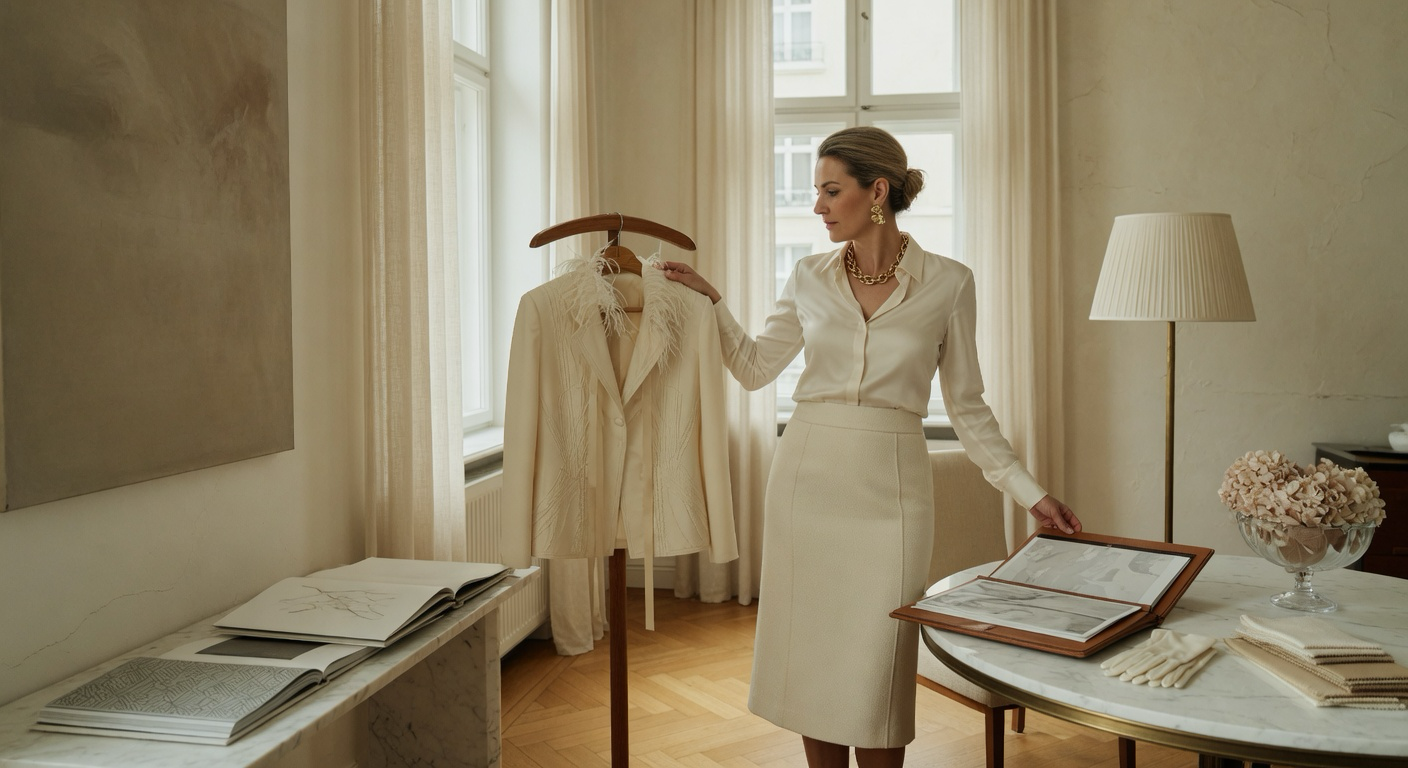
A blazer forgives many things, but not an incorrect shoulder. If it sits too stiffly, the suit looks borrowed. If it falls too softly, it loses its structure. Good tailors rarely speak dramatically about this. They pin, observe, have you stand, walk around you once, and see things you only grasp later in the mirror.
This is exactly what makes the second appointment so valuable. You don’t return as a customer, but as a body in motion. You’ve sat down, perhaps raised your arms, noticed where tension builds. The suit then tells the truth about itself.
Fast fashion sells the moment. True tailoring sells years. This is a different rhythm, and it fits surprisingly well into an era where many things are finished too quickly. A second appointment costs time, but it saves you from bad purchases. It turns a beautiful piece into your own piece.
If you do it right, no one sees the work. No one says: “Nice adjustment on the right shoulder.” They only see that you stand in the room as if the suit has belonged to you for a long time. That is style.
If you appreciate this perspective, continue reading about the calm of good materials and the question of why color needs structure. There, the same idea becomes more concrete: less noise, more judgment.
Two appointments are the minimum; for complex figures or very precise demands, three is normal. The number isn’t what matters, but that adjustments are made after the first fitting.
You don’t notice them. The shoulder looks more natural, the sleeve shows a hint of shirt, and the waist follows you without constricting.
No. The best effect is often quiet: You wear the piece more often because it doesn’t bother you. That’s where bespoke pays off.
What remains isn’t a rule. Just a fairly reliable feeling: If something looks better after a second glance, it’s usually right.