
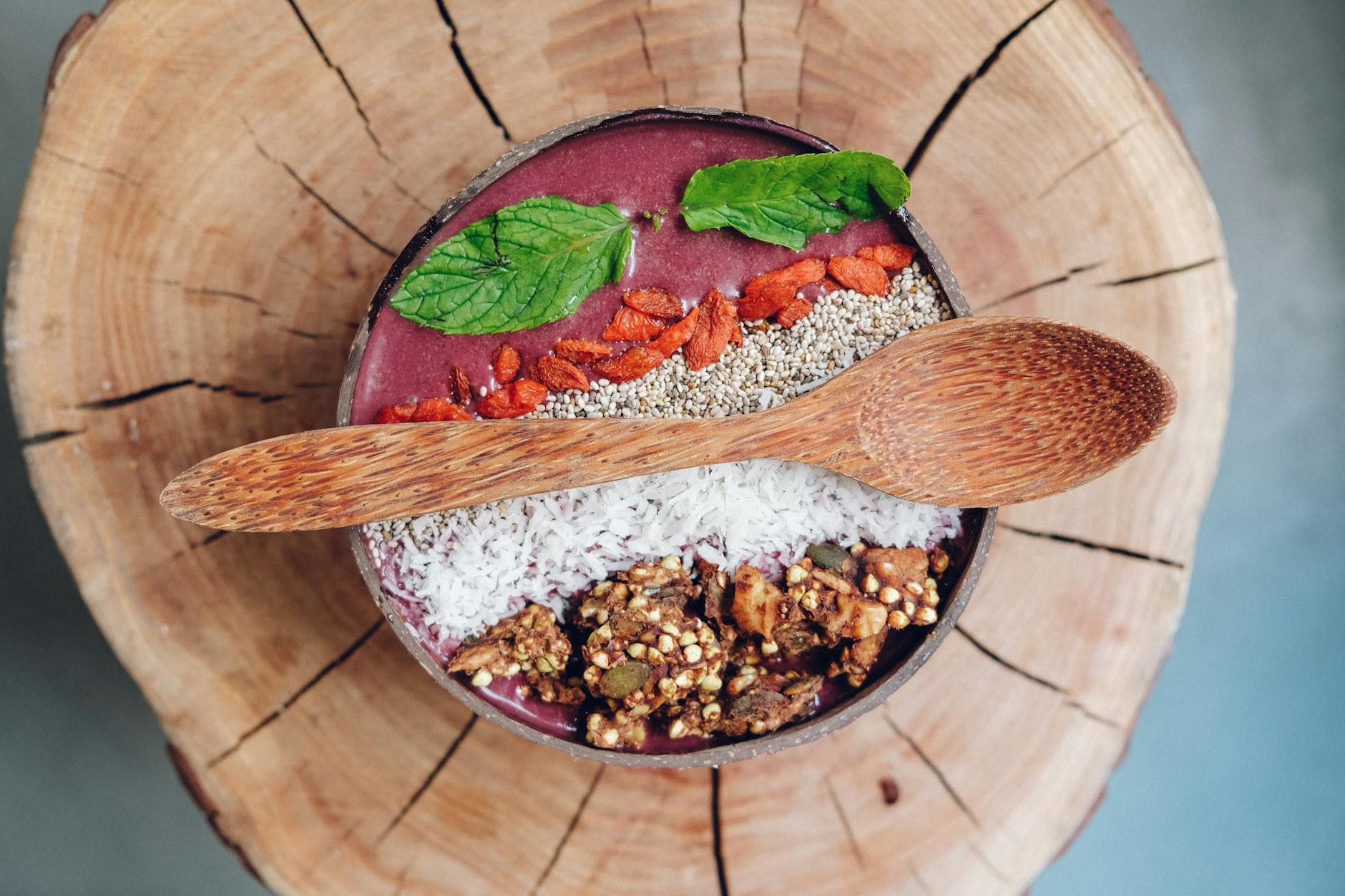
Power Berries – These Tiny Fruits Pack a Punch!
In 2020 we celebrated açaí, goji and aronia berries as superfoods. Five years later, it’s clear what these berries can really do-and where the marketing oversold them. Here’s the honest update.
Short version? Açaí, goji and aronia are no miracle cures, but solid berries. They’re rich in antioxidants (anthocyanins) and give your vitamin intake a solid boost. What they won’t do: melt fat, add years to your life or replace a balanced diet. Most of those promises were never approved by the European Food Safety Authority (EFSA) as health claims. We covered the hype in 2020-here’s the no-nonsense fact check.
- Açaí, goji and aronia are true antioxidant powerhouses, thanks mainly to anthocyanins (the deep pigments).
- The classic “more vitamin C than oranges” claim doesn’t hold for dried goji berries: one orange delivers roughly four times as much.
- Of the three, aronia has the highest antioxidant capacity-yet tastes raw and tart to bitter.
- No reputable study links berries alone to weight loss, anti-aging or longer life.
- Best used as a topping on yogurt, porridge or in smoothies; pricey powders in jars rarely justify the cost.
Antioxidants: What’s Really Inside
The common denominator of all three berries is anthocyanins, which give them their deep dark color. These secondary plant compounds bind free radicals in the body and belong to the group of antioxidants. Their capacity is often measured using the ORAC value, which describes the ability to neutralize free radicals. Aronia leads the pack here, outperforming blueberries, cranberries, and lingonberries-making this small dark berry the quiet favorite of the trio.
Important to note: the ORAC value is determined in a test tube, not in the human body. In 2012, the US Department of Agriculture even withdrew its ORAC database because lab values don’t indicate what actually happens in metabolism. Antioxidants from berries are beneficial, but the high numbers on packaging are more marketing than proof of efficacy.
Açaí: The Brazilian Bowl Berry
The açaí berry comes from a palm in the Amazon and is best known here as the base for bowls. It’s rich in anthocyanins, fiber, and-unusually for a berry-a high fat content with unsaturated fatty acids. In Europe, fresh açaí is practically impossible to find because it spoils quickly after harvest. What reaches stores is freeze-dried powder or deep-frozen purée.
That’s the catch: processing strips away nutrients, and many bowls pack more sugar than expected thanks to bananas, granola, and honey. The berry itself isn’t the issue-it’s the extras that tip the scales. If you eat an açaí bowl for breakfast, treat it like any other sweet meal, not a free pass.
Superfood isn’t a medical term-it’s a marketing ploy. What matters isn’t any single berry, but how colorful your plate is overall.
Goji: The Vitamin-C Myth
“Go Go Goji” was everywhere in 2020. The most famous claim? Goji berries contain more vitamin C than oranges. That’s not quite right. Dried goji berries deliver far less vitamin C per serving than a fresh orange-roughly a quarter of the amount. On the flip side, dried goji berries are loaded with sugar, clocking in at about 46 grams per 100 grams.
The German Consumer Advice Centre is blunt on the topic: any health benefit beyond normal nutrition isn’t scientifically proven, and the EFSA has rejected all health-related advertising claims about goji. That doesn’t mean the berry is bad-it’s a pleasant, slightly tart addition to muesli. Just don’t expect it to extend your life, sharpen your memory, or build muscle.
Aronia: The Overlooked Local Superstar
While açaí and goji rack up frequent-flyer miles, aronia (chokeberry) grows right here in Central and Eastern Europe. Of the three berries, it boasts the highest antioxidant capacity and delivers plenty of anthocyanins plus vitamins C and K. Early studies-mostly from Eastern Europe-suggest a positive effect on heart and circulation, such as blood pressure. That’s promising, but not yet proven as a therapeutic effect.
Practical upside: short supply chains, often available organic, and sold as direct juice or dried. Raw, it tastes tart and slightly bitter, so it usually ends up in juice, smoothies, or dried in muesli. If you’re looking to make one of these berries a habit, aronia is the most sensible choice-ecologically and nutritionally.
How to Fit Berries into Daily Life Sensibly
Berries work through consistency, not quantity. A single tablespoon of dried goji or aronia over porridge, yogurt, or quark is an easy routine you can stick with long-term. Açaí works best as frozen purée in a smoothie, ideally paired with less sweet fruit like berries or apple instead of three bananas plus honey on top. That keeps the bowl a breakfast, not a dessert.
When shopping, check the label. Small-jar powders are pricey per serving and say little about quality. With aronia, unsweetened direct juice is an honest option; with goji, choose unsulfured dried berries without additives. For peace of mind, mix exotic berries with local frozen varieties: similar plant compounds, much cheaper, and available year-round.
Is the hype worth it?
Berries are healthy-that was already true before the superfood label came along. Blueberries, blackberries, and redcurrants from the region deliver similar plant compounds, are cheaper, and fresher. Exotic power berries make a nice addition, but they’re no substitute for vegetables, fruit, and exercise. If you want to save money, go seasonal and regional and skip the expensive powder in the jar. Bottom line: Enjoy the bowl, but don’t believe every promise on the package.
Good to Know
▸Are açaí, goji, and aronia berries healthier than local berries?
Not necessarily. They do provide plenty of antioxidants, but regional blueberries, blackberries, or redcurrants deliver similar values, are fresher, and usually far cheaper.
▸Do power berries help with weight loss?
No. There’s no proven slimming effect. Dried goji berries are actually quite high in sugar. When it comes to weight, the entire energy balance counts-not a single ingredient.
▸Do goji berries really contain more vitamin C than oranges?
No, that’s a marketing myth. A fresh orange delivers about four times as much vitamin C per serving as dried goji berries.
▸Which of the three berries would you recommend?
Aronia. It grows in Europe, has the highest antioxidant capacity of the three, and is easy to find as direct juice or dried berries. Raw it’s tart, but in a smoothie it’s effortless.
Find more on the topic in our fact-check Superfood, Super Food or Just a Super Gag and in our guide Eat the Rainbow: The Power of Colors for Your Health. If you want to use berries specifically for recovery after sport, our sister magazine InspiredBySports offers the right nutritional perspective.


