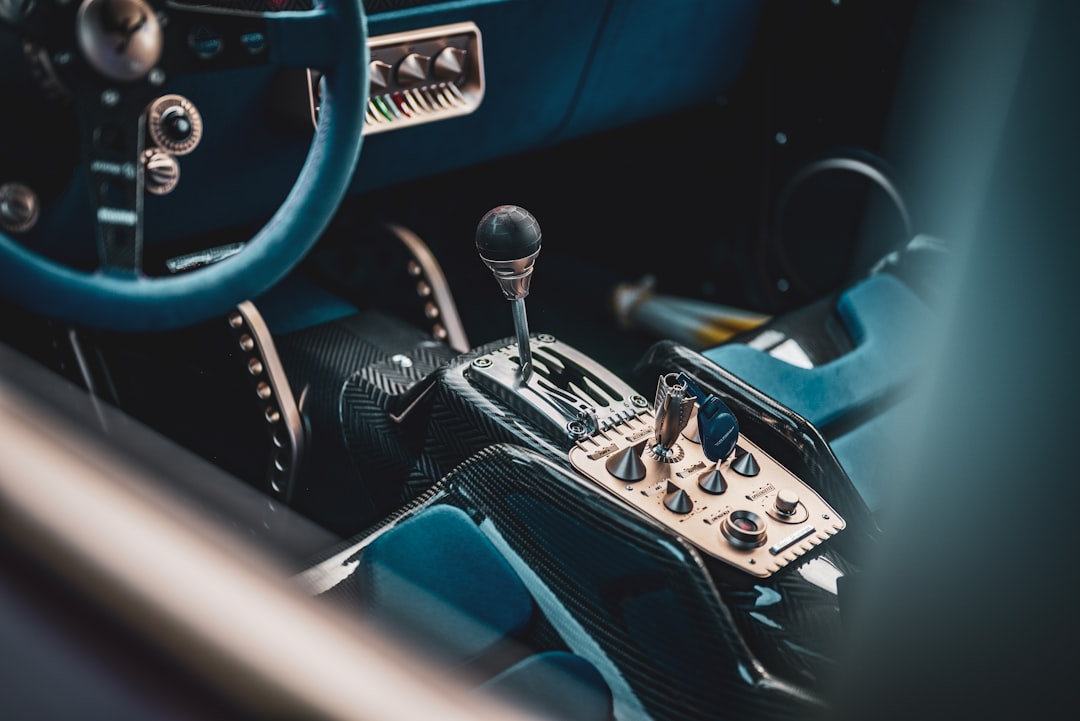
Panel Reconstruction: Restoring Lost Bodywork
Panel reconstruction brings damaged body parts back with precision. The key is respect for the original lines and the vehicle’s character.

 //DRIVE
Panel reconstruction brings damaged body parts back with precision. The key is respect for the original lines and the vehicle’s character.
Panel reconstruction restores damaged or lost body parts with surgical precision. The goal isn’t perfection-it’s respect for the line.
If you focus only on flawless shine in a classic, you’re missing the point. The magic happens where a shop respects history yet restores a clean line.
A vintage fender is never just a fender. It carries repairs, poor decisions, small accidents, maybe even a paint color that’s long gone. When it’s lost, you don’t just lose metal-you lose coherence.
Panel reconstruction aims to restore that coherence. Not by pretending the past never happened, but by making the shape usable again. It’s quieter than a full rebuild, yet often more vital.
Workshops like VintageCars.com explain that complete bodies or individual parts can be recreated from blueprints, bucks, drawings, sketches, photos, original parts, or scans. Precision Panel Craft talks about hand-formed panels for classic and historic vehicles. The takeaway: reconstruction isn’t guesswork anymore, but it remains craftsmanship at its core.
The point isn’t to slap together a part. It’s to make the line right again. To let light glide across the surface. To make door, sill, and wheel arch speak to each other once more.
In the classic-car world, originality is often treated like a sacred word. Understandable, but sometimes too narrow. When a car can’t run, isn’t safe, or isn’t complete without a reconstructed panel, the new work becomes an act of preservation.
Honesty matters. What’s reconstructed must be documented. Clean work hides nothing. In fact, documentation makes the car more comprehensible.
Luxury here doesn’t mean making everything new. It means making the right things new. A good panel isn’t a loud display of skill. It disappears almost entirely. That’s where the art lies.
When a lost body shape returns, it doesn’t feel like a substitute. It feels like a homecoming. And sometimes, that’s the most beautiful form of restoration.
Panel reconstruction always walks a tightrope. Too little work, and the car stays damaged. Too much, and you wonder what’s left of the original. Good restoration balances precisely between these extremes.
That’s why documentation is crucial. What was replaced, saved, recreated, or merely adjusted? Answering these questions cleanly removes the doubt from reconstruction.
A new panel doesn’t have to diminish value. A poorly hidden panel does. Honesty is part of the quality here.
We tend to romanticise old cars as sturdy things. In reality, many of them are worn out. Rust, shoddy repairs, stresses in the sheet metal, past accidents, poor filler work: a body can gleam on the outside while its structure long betrays its age.
Line in the metal
When you stand before a reconstructed line, it shouldn’t look new. It should look as though the car has regained its tension.
Panel reconstruction is then not a luxury intervention but a necessity. It restores shape and strength. For rare vehicles especially, it’s often the only way to bring a car back onto the road in any meaningful sense.
The respect isn’t in keeping every sick piece of metal at any cost. It lies in understanding which piece carries history and which piece endangers it.
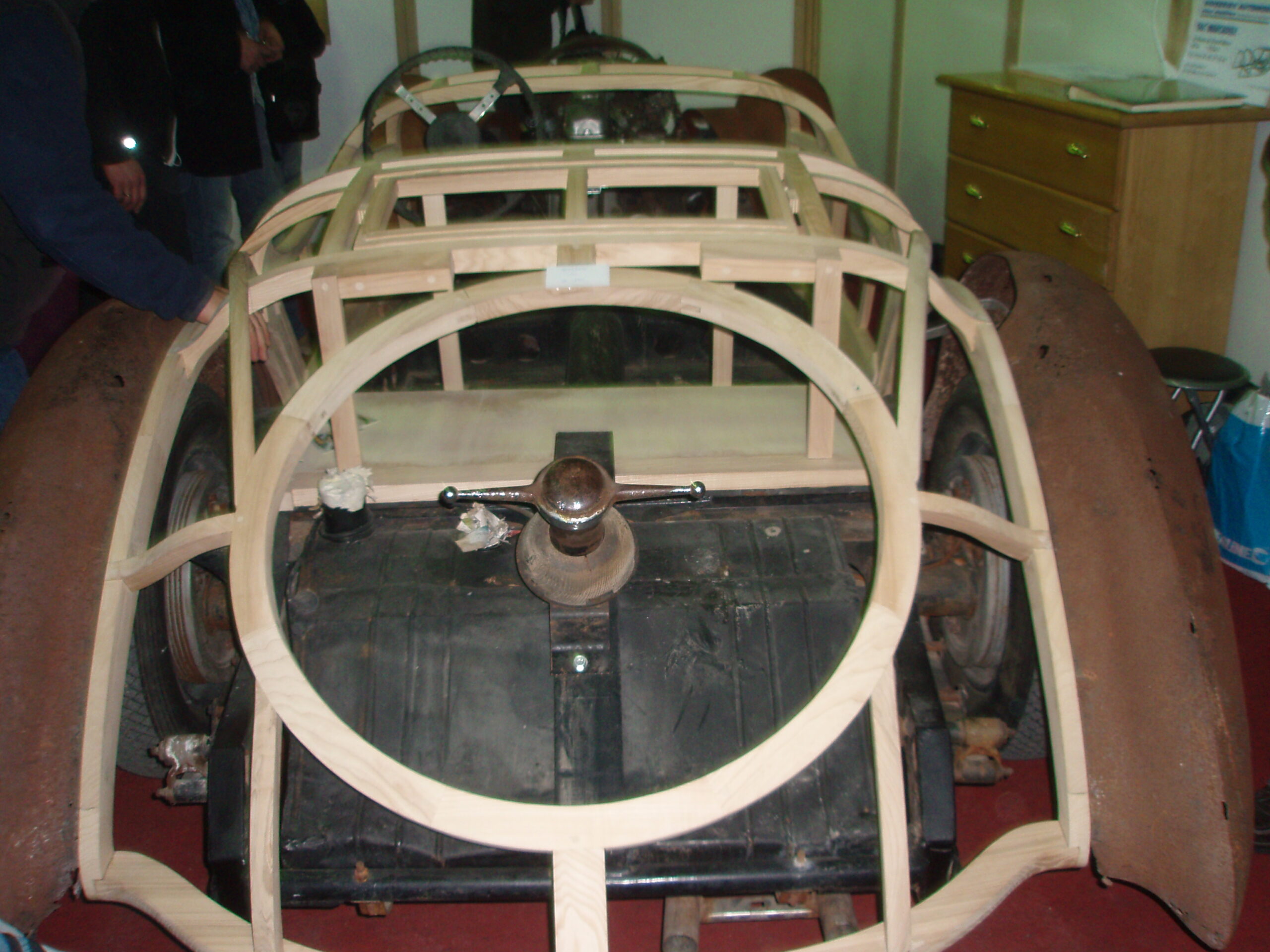
A reconstructed panel has a tough job. It must feel new yet not look new. It must be cleaner than the destroyed original, yet not so smooth that it shames the rest of the car. This tension makes the work both complicated and fascinating.
Good restoration understands that a replacement part doesn’t work against the car’s history; it works against its decay. When a fender can no longer fulfil its purpose because of rust, an accident or past repairs, a new panel isn’t betrayal. It’s a vote for the future.
The benchmark remains clear. A newly made part must stay in the background. It shouldn’t try to show off how good it is. It must carry the line the car already had. That’s harder than flashy, eye-catching work.
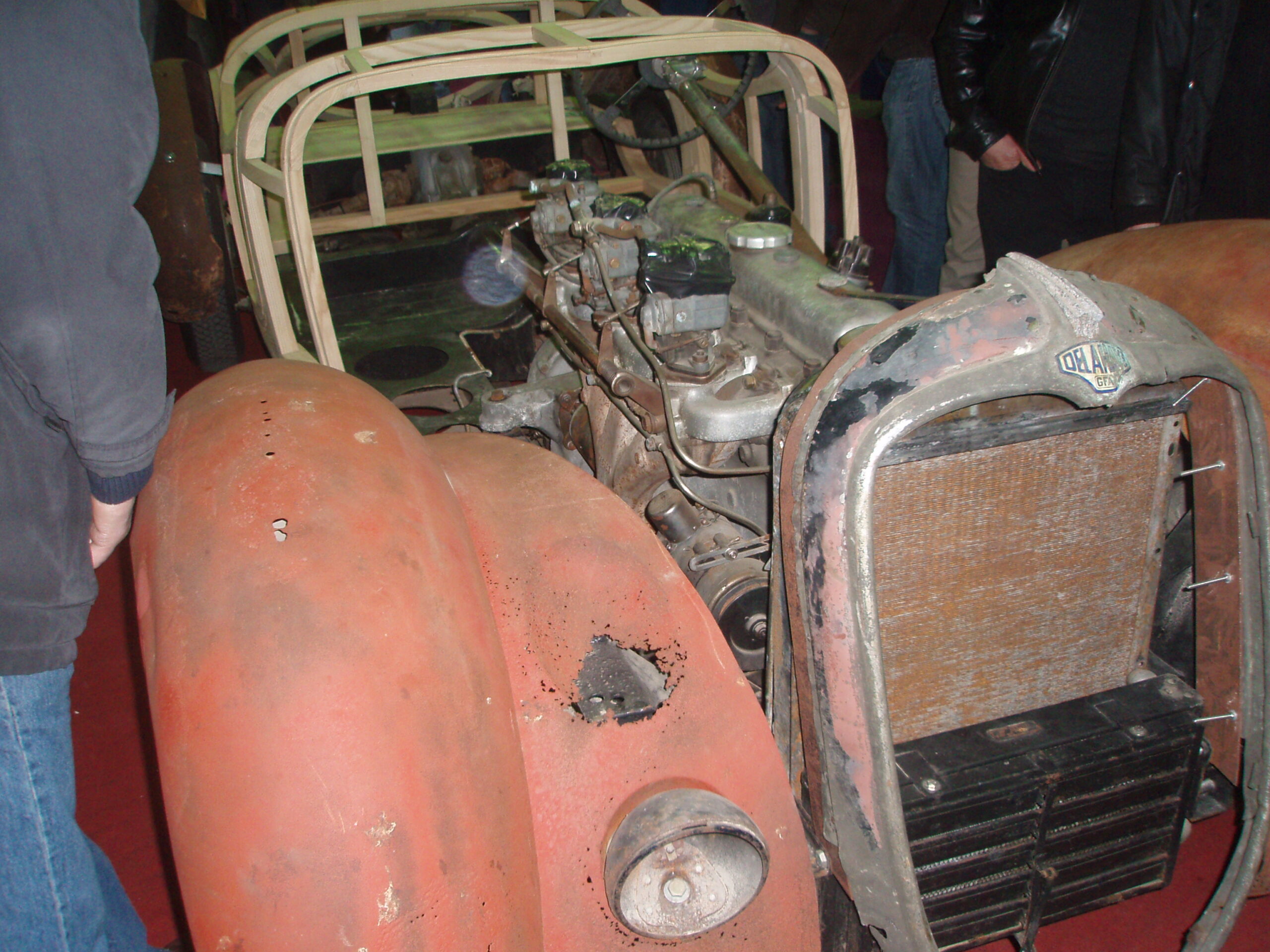
That’s where the dignity of such reconstructions lies. They step aside. They let the car appear whole again without pushing themselves into the spotlight.
Only with this openness does reconstruction become more than repair: it becomes a comprehensible decision about the car itself.
Not automatically. What matters is quality, documentation and whether the original part could have been saved at all.
Depending on the case: original parts, blueprints, wooden forms, photos, drawings, sketches or digital scans.
When a part is structurally lost, severely damaged or no longer serviceable for the safe preservation of the vehicle.
In the end, what counts isn’t whether a panel is new or old. What matters is whether the line is right again and whether the work has restored the car’s tension.
Image credits: Wikimedia Commons / Classicsworkshop, CC BY-SA 4.0; Wikimedia Commons / Akela NDE, CC BY-SA 2.0 FR; Wikimedia Commons / Akela NDE, CC BY-SA 2.0 FR.
Image sources: Wikimedia Commons / Classicsworkshop, CC BY-SA 4.0; Wikimedia Commons / Akela NDE, CC BY-SA 2.0 FR; Wikimedia Commons / Akela NDE, CC BY-SA 2.0 FR.