McLaren GT: The Supercar Built to Travel
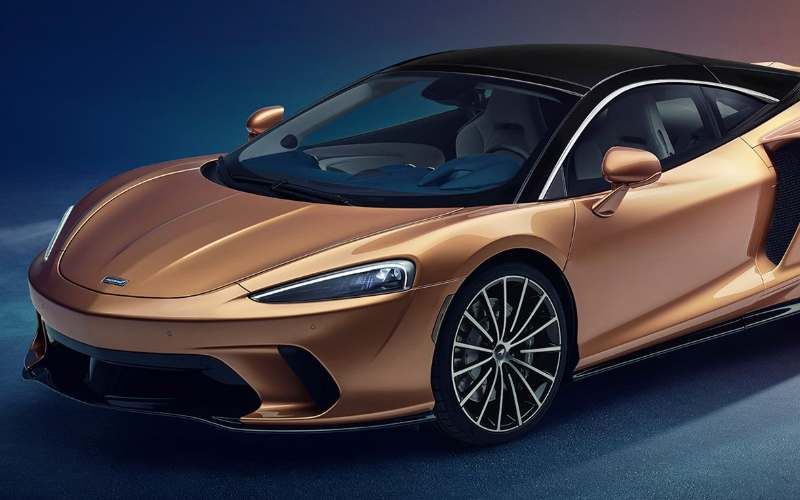
Accelerating from 0 to 100 in just 3.2 seconds. The new McLaren GT is a special kind of sports car and is ideal for everyday use.
In 2019, we wrote about the McLaren GT. What came from that? An archive piece on a supercar that didn’t just want to be fast, but also take luggage, golf bags, and long distances seriously.
- The old article described the McLaren GT as a sports car with everyday practicality.
- 3.2 seconds from 0 to 100 and 326 PS are mentioned from the archive text.
- The trunk is described as having 150 liters in front and 420 liters in the back, totaling 570 liters.
- The focus is on seats, infotainment, navigation with real-time traffic, Bluetooth, DAB radio, voice control, and music streaming.
- The Optimal Control Theory is mentioned in the old text as actively compensating for road irregularities.
The McLaren GT was not just a numbers car in the old youDRESSED article. Of course, acceleration and performance were in the text, but more interesting was the other claim: this supercar should be able to travel. Not just impress briefly, not just stand before a hotel, but swallow luggage, cover distance, and not punish the driver after 200 kilometers.
This is a nice tension. McLaren stands for lightweight construction, speed, and this kind of form that always looks a bit like a starting line. GT, on the other hand, means Gran Turismo: fast, but with breath. The old article told exactly this connection. Power and travelability, sports car and daily life, luxury and long-distance driving.
570 Liters for the Road Trip
The strongest practical point in the archive text was the storage space. 150 liters in front and 420 liters in the rear, totaling 570 liters of luggage space. A large tailgate opens the rear luggage compartment, which, according to the old article, is easy to load and unload. Two suitcases and a golf bag fit perfectly. For a super sports car, this isn’t a minor detail but the core of the GT promise.
The article highlighted that previously, the company’s cars had space for only one person’s luggage. Now, even two people can store their luggage. This is where luxury becomes tangible. Not another decorative stitch, not another loud promise, but the question: Can two people actually hit the road without first squeezing their entire lives into a small bag?
The McLaren GT didn’t want to be any less of a sports car. It just wanted to stop punishing travel plans.
Comfort Without Compromise
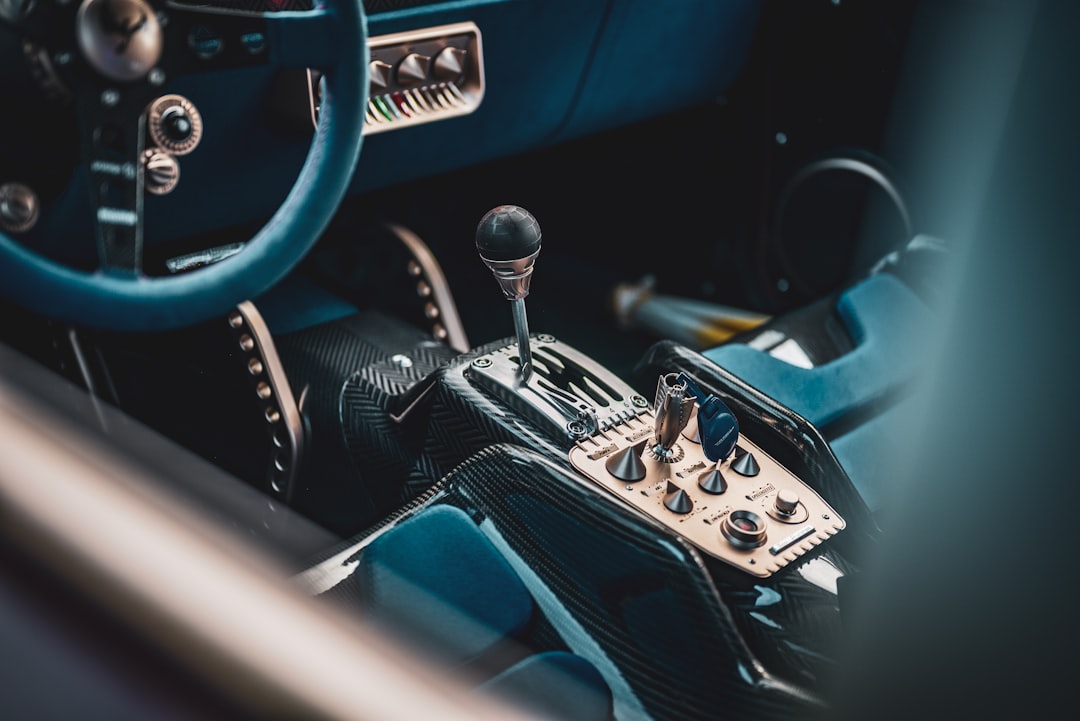
The old article defined the classic GT characteristics as speed and practicality. It also claimed the car should be comfortable on long drives. The seats were described as sports-car typical with good side support, yet still comfortable. Settings were easy to find, and the infotainment system was up to date.
Additional features mentioned included a navigation system with real-time traffic information, Bluetooth, DAB radio, voice control, and music streaming. Today, this sounds like a standard feature list, but in the text, it was part of a larger statement: the time spent in the car should be pleasant and enjoyable. A GT can be fast, but it shouldn’t treat its occupants like cargo.
Optimal Control Theory as Quiet Luxury
The passage on Optimal Control Theory was particularly interesting. The old article described noise insulation and the reduction of perceived road imperfections as major challenges for manufacturers when it comes to long drives. Optimal Control Theory works proactively using algorithms and advanced sensor technology, meaning before the road bump. This allows the car to adjust before encountering the unevenness.
This is the elegant side of technology. It doesn’t need to be visible; it just needs to be less noticeable. Especially in a GT, this is crucial. Not every innovation needs to look like a display or a button. Sometimes, it’s the moment when a bad road doesn’t pull the entire car out of the conversation.
The Archive Appeal of the McLaren GT
The old article also mentioned 666 kilometers in a row under normal driving conditions. This is part of the GT image: distance, not just a sprint. Of course, the McLaren GT remains an exceptional car. But the article presented it less as a toy and more as an attempt to reconcile super sports and travel.
From the IBL perspective, this is the more intriguing luxury. Not the car that stands out the loudest, but the car that has a fast line yet still asks where the bag is. The McLaren GT embodied exactly this: lightning-fast, yet not offended when you actually want to drive it.
Why everyday usability isn’t trivial here
In regular cars, trunk space is just a table row. With a super sports car, it becomes a statement. The original article made exactly that the charm of the McLaren GT. If a car can accelerate to 100 in 3.2 seconds and still accommodate two people for a journey, expectations shift. It’s not only about what’s technically possible, but how much life fits into that technology.
This makes the GT concept more mature than pure sprinting. A car that can only go fast impresses briefly. A car that’s fast and doesn’t make long drives a burden remains interesting longer. That’s exactly the balance the article sought: not less McLaren, but more utility.
The original article framed the car as a travel promise. This is more compelling with McLaren than with a classic limousine because every comfort decision works against the expectation of a radical sports car. That’s where friction arises.
If seats remain comfortable, infotainment is easily reachable, and suspension anticipates road irregularities, speed becomes less strenuous. The GT doesn’t have to constantly prove he’s fast. He can show on the road that he can also be composed.
This doesn’t make the car smaller in the archive-it makes it more interesting. It wanted to demonstrate that speed and comfort don’t have to be contradictory if the technology is cleanly integrated.
If you categorize this kind of luxury, size alone doesn’t count. What matters is whether space, quiet, and materials really fit together.
The Details
▸What acceleration does the original article mention?
The archived text states 3.2 seconds from 0 to 100.
▸How much trunk space does the McLaren GT offer according to the article?
150 liters in front and 420 liters in back, totaling 570 liters. There is room for two suitcases and a golf bag.
▸What makes it a GT?
The text links speed with practicality, long-distance comfort, and everyday usability. It’s precisely this blend at the center.
▸What is Optimal Control Theory in the article?
It’s described as a technology that uses algorithms and sensors to proactively detect road irregularities and adjust the car accordingly.