Mallorca’s Interior: The Island Without Beaches
Anyone who only knows the coast doesn’t truly know Mallorca. Inland, wine villages, almond fields and a terrace landscape declared World Heritage in 2011 line up, all without the noise of the bays.
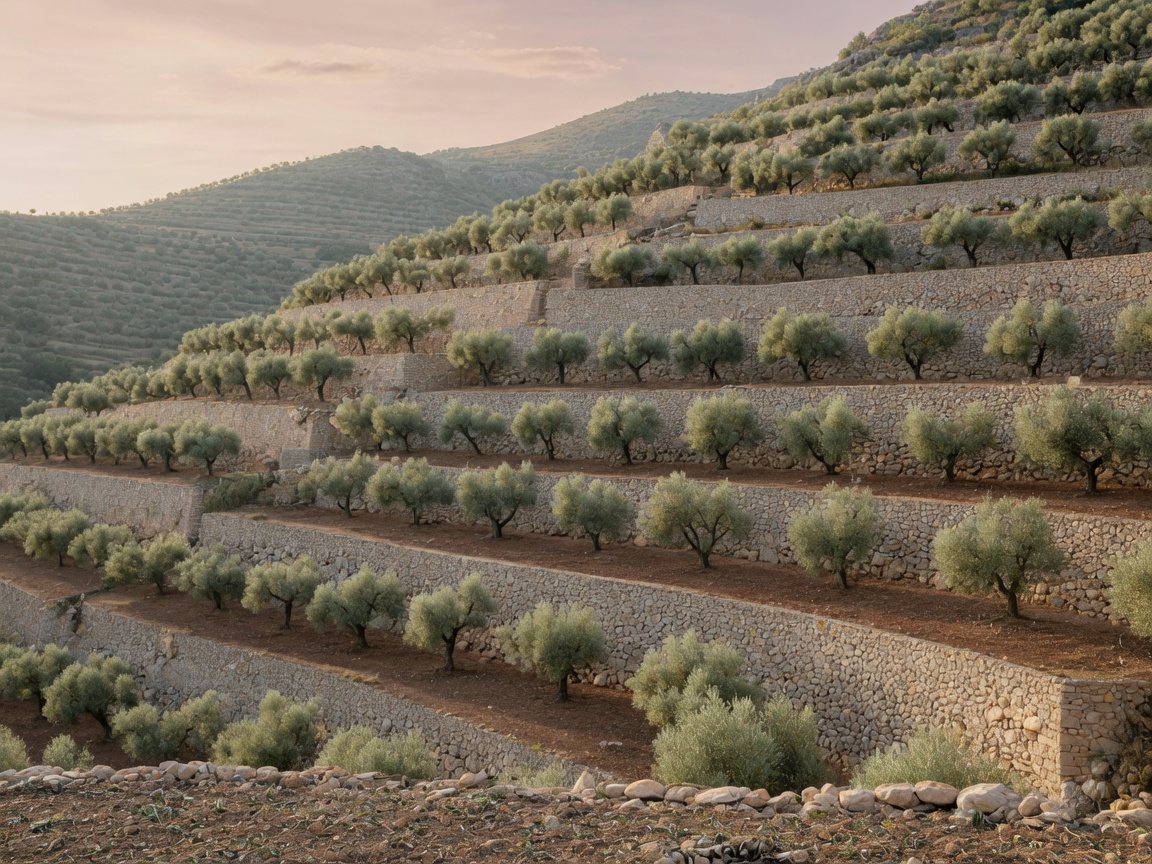
The Serra de Tramuntana stretches across northwest Mallorca as a mountain range and has been a UNESCO World Heritage Site since 2011. Terraced fields, centuries-old water management, dry-stone structures: this landscape is no accident, but the result of centuries of careful cultivation. Visitors see a different Mallorca than the one in the beach brochures.
- The Serra de Tramuntana has been a UNESCO World Heritage Site since 2011; core zone 30,745 hectares, buffer zone 78,617 hectares
- Binissalem was Mallorca’s first wine region with its own protected designation of origin
- Fornalutx is among the most authentic and best-preserved mountain villages on the island
A landscape awarded for its work
The core World Heritage area of the Serra de Tramuntana covers 30,745 hectares, with a buffer zone of a further 78,617 hectares. What was recognised wasn’t nature alone, but the interplay of terraced agriculture, an interconnected water system of channels and mills, dry-stone construction and feudal-style farmsteads. Puig Major, at 1,436 metres the highest peak of the Balearics, towers above this cultural landscape without overshadowing it, because the real attraction remains on the ground: stone walls holding slopes in place for generations, maintained by hand.
Walking along these walls, it quickly becomes clear that nothing here is decorative. Every stone supports a terrace, every terrace supports a tree, every tree is part of a system that controlled water and erosion long before those terms existed in modern agriculture. The Serra is therefore less a postcard backdrop than a functioning pre-industrial engineering feat still in operation today.
A wine village that shaped the island
Binissalem, in the island’s centre, was Mallorca’s first wine region to receive its own protected designation of origin, together with Santa Eugènia, Santa Maria del Camí and Sencelles. In May the Wine Days Mallorca take place there, and in September the Festes des Vermar, the traditional grape-harvest festivals. Travellers arriving in summer miss both events, yet still find open bodegas and tastings that link the Serra’s terraced vineyards with centuries-old olive groves. The grapes benefit from the same combination of elevation, limestone soil and proximity to the sea that has shaped the island’s olive culture, a shared geological denominator that reveals itself in the glass as much as on the plate.

Villages you’ll never see from the coast
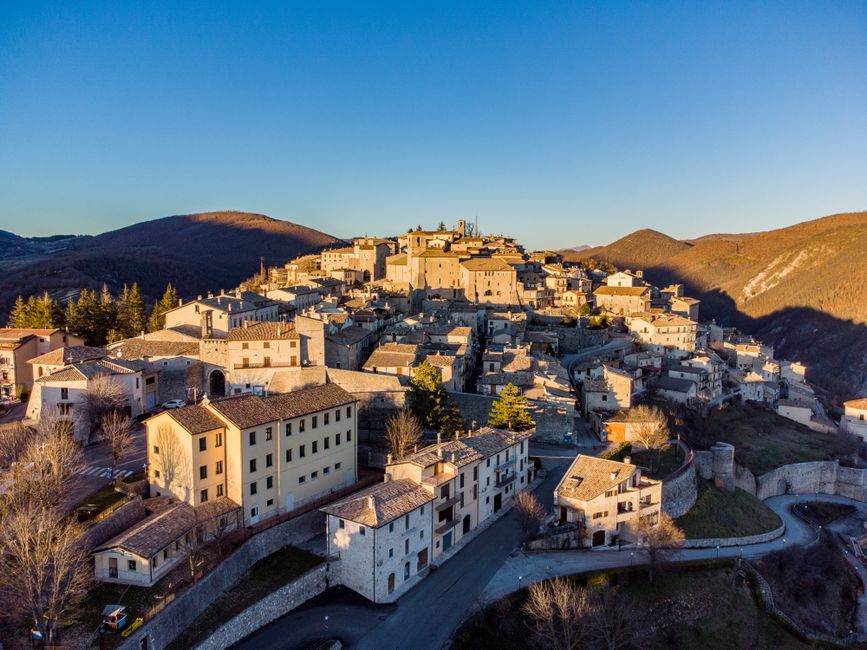
Fornalutx, nestled in the Serra de Tramuntana near the GR-221 trail, is considered one of Mallorca’s most authentic and best-preserved mountain villages. Cobbled lanes, stone houses, and in spring the scent of lemon and orange trees above the Sóller valley.
Anyone who only knows the coast doesn’t truly know Mallorca.
At first glance these villages seem like quiet footnotes to the island. Sineu, the heart of Mallorca’s interior or “Part forana,” hosts a traditional weekly market and traces its origins to a royal residence built by Jaume II in the 14th century. In Llubí, a town of around 2,000 residents in the Pla de Mallorca, nine windmills stand as visible traces of an almond, caper and honey production far older than island tourism. These mills were once pure functional architecture, built to grind grain rather than to be photographed. It is precisely this utility that lends them an honesty rare among staged landmarks.
What lands on the table, not just in the photo
Mallorca’s zero-kilometre producers bring almonds, extra-virgin olive oil, local wines and spices like the sweet red pepper Tap de Cortí. Wine and oil tourism links the terraced vineyards of the Serra de Tramuntana with centuries-old olive groves, rounded off by tastings in Bodegas and Almazaras, the traditional oil mills. This producer structure isn’t a tourist add-on; it’s the continuation of the same agricultural tradition that shaped the World Heritage terraces.

How to explore the hinterland without overrunning it
The interior reveals itself best in stages: one day for the Serra and its terrace trails, one day for the wine villages around Binissalem, a detour to the weekly market in Sineu. Summer visitors enjoy long daylight hours but should reserve the midday heat for shaded village lanes rather than hiking trails. UNESCO itself warns of rising tourism pressure in the Tramuntana buffer zone, a reminder that even this quieter side of the island deserves gentle exploration. Travellers who take this route slowly receive something the coast has long lost: time to truly understand a village instead of merely passing through.
Good to know
▸What makes the Serra de Tramuntana a UNESCO World Heritage site?
Not the scenery alone, but the interplay of terraced agriculture, historic water management and dry-stone constructions, recognised as a cultural landscape by UNESCO since 2011.
▸Which village is worth the detour inland?
Fornalutx is famed for its authenticity and tranquillity, Sineu for its traditional weekly market and royal history, Llubí for its windmills and almond heritage.
▸When is the best time for wine and oil tastings?
Wine Days Mallorca take place in May, the grape harvest festivals in September. Outside these dates Bodegas and Almazaras usually remain open for individual tastings; a call the day before typically secures entry that walk-in visitors cannot access.
Image source: title image and article images AI-generated.