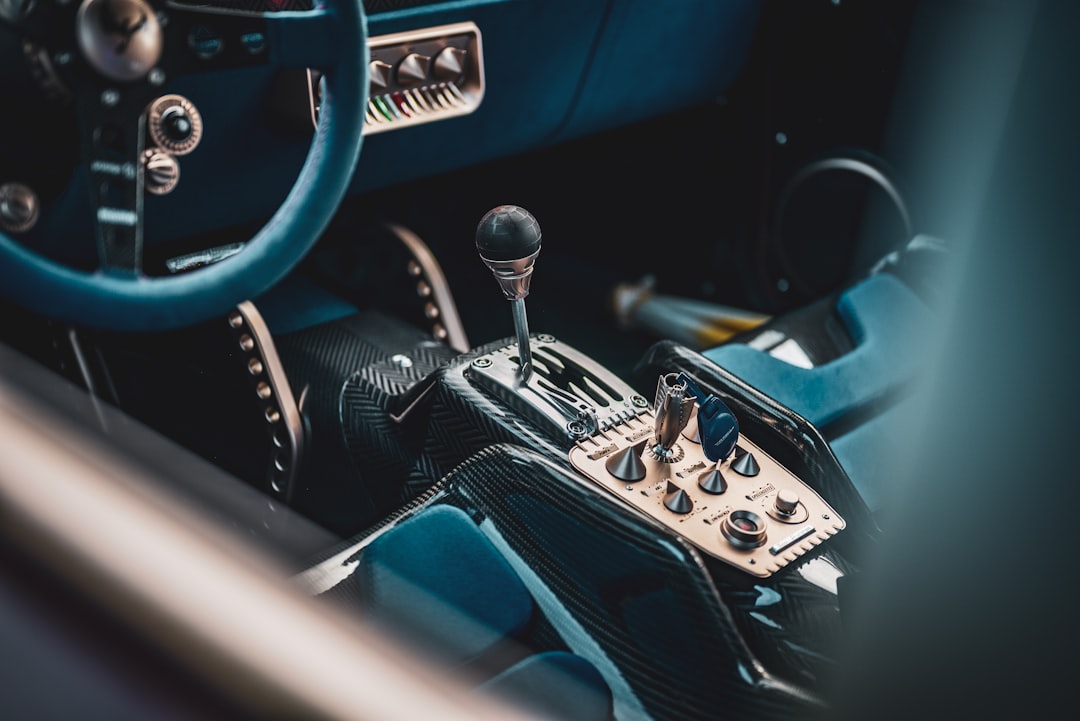
Le Mans: The Hour When It Glows
Twenty-four hours on a track that’s half racing circuit and half public road. Why the world’s oldest endurance race truly comes alive after dark.
Some races are measured in laps. Le Mans is measured in hours, 24 of them. A single field races over a course that is half permanent circuit and half public road. From a distance it looks like just another fixture on the motorsport calendar. Look closer and you see a ritual whose climax arrives not by day, but by night.
- The 94th running of the 24 Hours of Le Mans, weekend of 13–14 June 2026
- Circuit de la Sarthe: ≈13.63 km per lap, partly public roads
- Traditional rolling start at 16:00 local time
- Part of the FIA World Endurance Championship, organised by the Automobile Club de l’Ouest
A Track of Two Worlds
The Circuit de la Sarthe is no ordinary race track. One lap measures roughly 13.63 km and stitches together permanent circuit sections with public country roads temporarily closed for race week. That duality is what makes Le Mans what it is: you’re not racing inside a man-made bowl but through a landscape that belongs to everyone the other 364 days of the year.
The spine is the Route de la Sarthe, historically the Mulsanne Straight. A long, flat-out ribbon where aerodynamics, night vision and the growl of the engine carry the story. Here the race is less decided than its character is revealed. Prototypes briefly become pure form. Stand by the fence and you hear them coming long before you see them, a sound that bounces between the trees of the Sarthe valley.
When the Headlights Take Over
Around ten o’clock everything shifts. The corridor of high beams turns the prototypes with their rear wings into mobile light-ships hurtling through the open Sarthe countryside at full throttle. By day the eye orders the action; at night the ear takes command. The track becomes a soundscape.
Add the physics of the circuit. About sixty cars across multiple classes share the same long lap, LMH/LMDh prototypes mixed with LMGT3 GT machinery, creating the dense traffic that, over 24 hours, becomes the real endurance test. No sprint forgives so little as a race that never stops.
By daylight Le Mans is a race. After dark it becomes a narrative of light and sound that needs no timing chart.
In the pit lane the aroma of hot metal and tyre rubber mingles with the steam from overheated brakes. It’s a scene you only half-catch on television, because it lives in smells and sounds rather than images.
And above it all is the light. When darkness is absolute, every car becomes a wandering point of white and red tracing the bends before your eyes can register them.
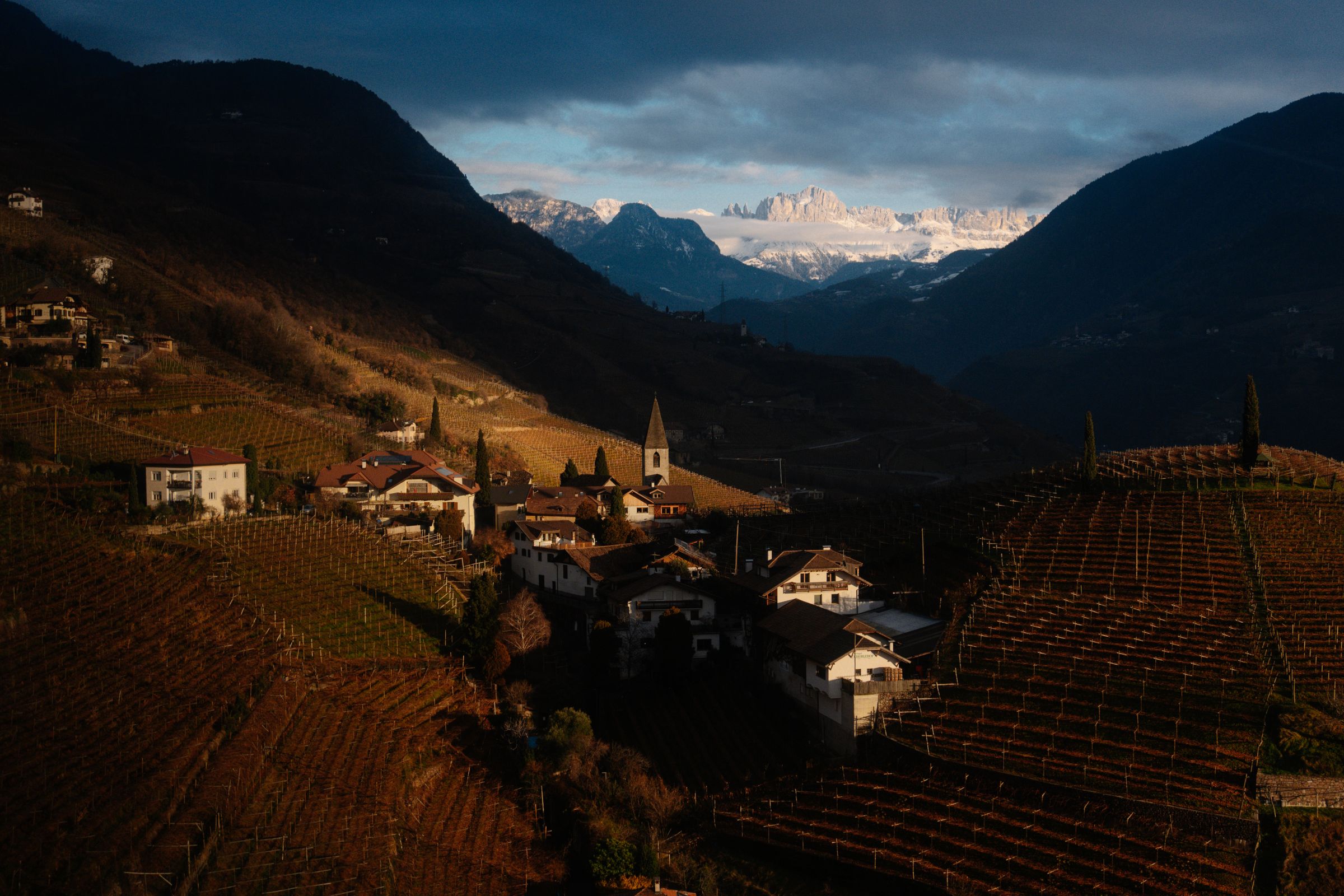
The hours between midnight and dawn are the beating heart of the legend. Drivers are then fighting not just the competition, but fatigue, cold and the limit of what human and machine can endure through a full night.
Why the car here regains its character
In the hypercar elite, the established works and premium brands of the FIA World Endurance Championship line up, names like Ferrari, Toyota, Porsche and Cadillac. This is the sensual counterpoint to purely formulaic motorsport reading. These cars are not interchangeable shapes; they have sound, scent and temperament that reveal themselves over a single night.

The weather plays its own role. Rain, fog and dry heat are part of the Le Mans statistics. Carbon and hybrid components visibly react to moisture and temperature shifts. In the slower sectors, rain drums on composite rather than painted sheet metal, a subtle difference that reveals the era from which these machines hail.
The ritual beyond the clock
Le Mans is organised by the Automobile Club de l’Ouest. What defines the place is not merely the timing. It is the fan camps around Arnage and Mulsanne, the pit lane, the collective act of staying awake. Whoever has experienced this night understands why Le Mans is more than a result in a table. It is a shared vigil until sunrise.
That is precisely the greatness of this race. It does not celebrate the fastest moment, but the longest breath. A car that still runs after 24 hours has proven more than one that was fastest for a single lap. And the hour when Mulsanne glows remains in the mind long after the numbers are forgotten.
The Details
▸How long is one lap at Le Mans?
The Circuit de la Sarthe measures roughly 13.63 kilometres per lap. It combines permanent track sections with public roads closed for race weekend. The iconic stretch is the Route de la Sarthe, historically the Mulsanne Straight.
▸When does the race start?
The official start is traditionally at 16:00 local time on Saturday. From there the race runs for 24 hours until Sunday afternoon, with the night segment serving as the dramatic centrepiece.
▸Who organises Le Mans?
The event is run by the Automobile Club de l’Ouest and forms part of the FIA World Endurance Championship. The entry list typically includes around sixty cars across multiple classes, including Hypercar and LMGT3.