Lapland in Summer: Light That Never Sleeps
No northern lights, no frost, no ice-hotel cliché. Between early June and early July, the sun never sets in Rovaniemi. These weeks reveal a different Lapland.
In Rovaniemi on 21 June at midday the sun climbs only about 46 degrees above the horizon, then never really dips below it again. Visitors arriving on Midsummer Day witness the astronomical peak of a phenomenon that has held sway since early June and lasts into July: it never gets dark. Not even a little, it simply doesn’t.
- Rovaniemi sits exactly on the Arctic Circle, where the sun does not set between early June and early July
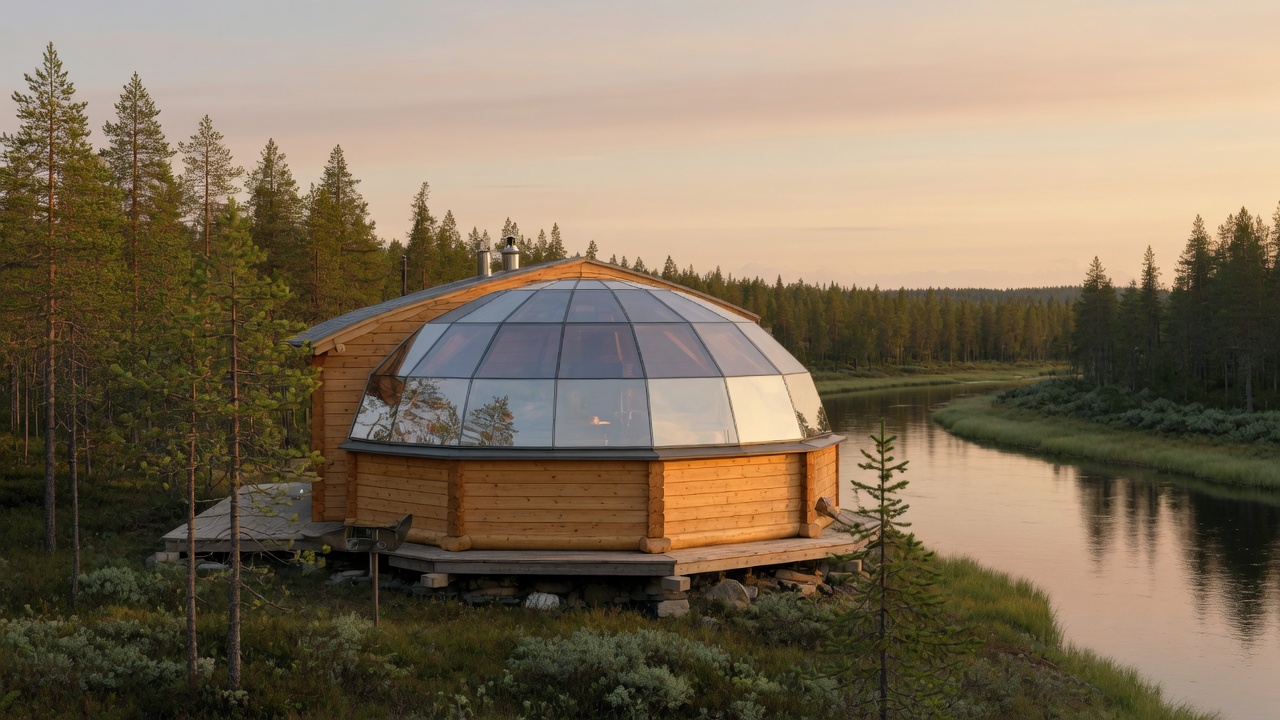
- Glass igloos offer no northern lights in summer, only 24 hours of daylight over the taiga
- Mild summer temperatures of 15–25 °C let you enjoy the outdoors without the deep freeze of an ice hotel
The line that knows no sunset
The Arctic Circle, at roughly 66.5° north, marks the southernmost latitude where the sun can theoretically stay above the horizon for a full day. Rovaniemi lies exactly on that line. Between 6 June and 7 July the sun remains continuously visible in the city, preceded by bright nights that begin in late May and stretch into August. On 21 June, the astronomical start of summer, it reaches about 46.5° at noon, flat enough that shadows never vanish completely, high enough that true darkness never arrives.
Why the light feels unlike any sunset
The Earth’s axis is tilted by about 23.4°. That angle keeps the summer sun circling low along the horizon in high latitudes instead of setting. At midnight the forests and rivers glow in a soft, almost amber light, softer than at noon, yet without the drama of a classic sunset. Within days, anyone standing at a window loses all sense of time. In Lapland this isn’t a side effect; it’s the whole point of the trip.
Glass igloos that skip the aurora
Since 1974 Kakslauttanen Arctic Resort has run its glass igloos, usually marketed for the northern lights season from late August to late April. In summer the promise changes completely. The warm Kelo pine and glass roofs remain, but overhead you see endless daylight instead of dancing auroras. The Luxury Kelo-Glass Igloo combines a log cabin with three glass igloo bedrooms across roughly 300 m², an arrangement that feels less like an adventure cabin and more like an unusual holiday home with an extraordinary roof.
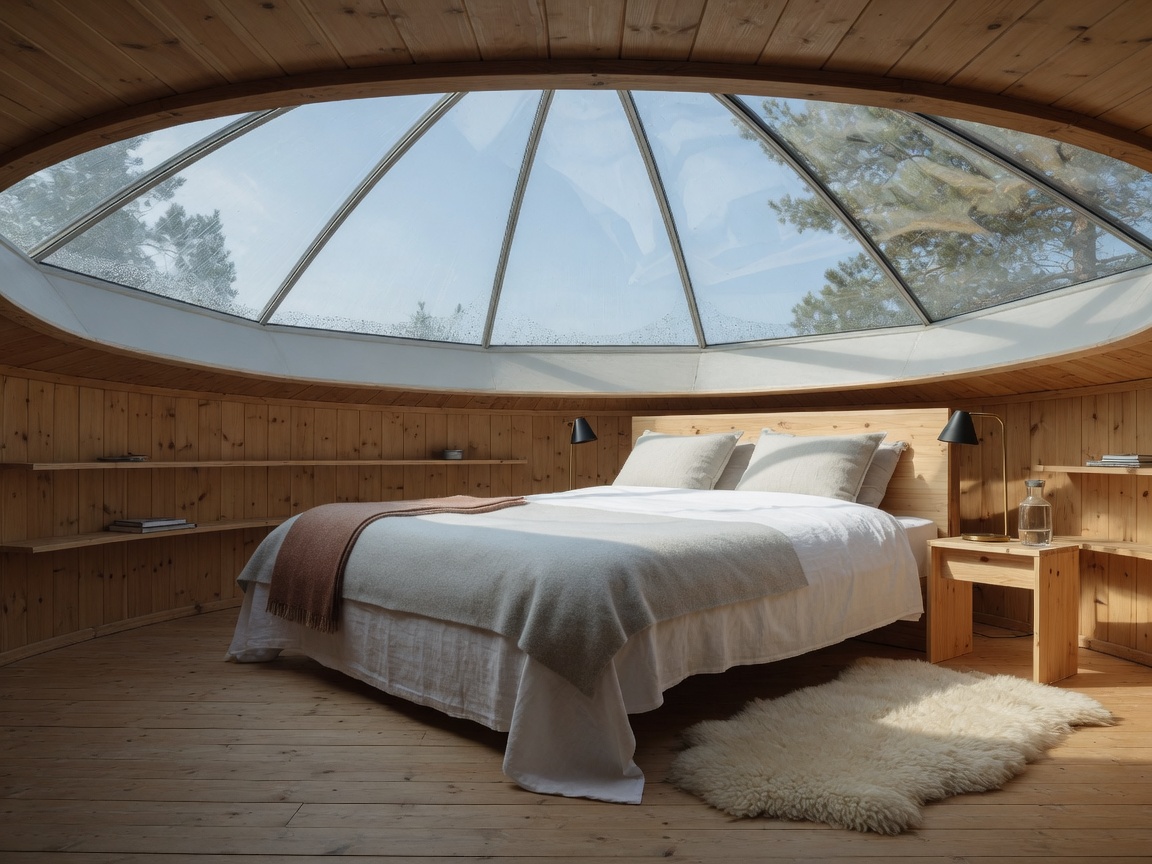
The Arctic TreeHouse Hotel, right on the Arctic Circle near Rovaniemi, also features floor-to-ceiling windows from which guests can watch the midnight sun shift hour by hour, without the light ever truly saying goodbye.
Reindeer that belong to the landscape
In Lapland there are roughly as many reindeer as people, semi-wild and owned by local herders. Finland divides reindeer husbandry into 56 districts, 41 of them in Lapland. Summer reindeer-farm visits feel a world away from the familiar winter images of sleds and thermal suits.
It never gets dark. Not even a little, it simply doesn’t.
What reindeer and kota fires have in common
After a reindeer safari the next stop is often a traditional kota, a reindeer-herder’s shelter, for hot berry juice and a Finnish sweet treat while the arctic wilderness glows in muted light outside.
Why the temperatures allow more than you’d expect
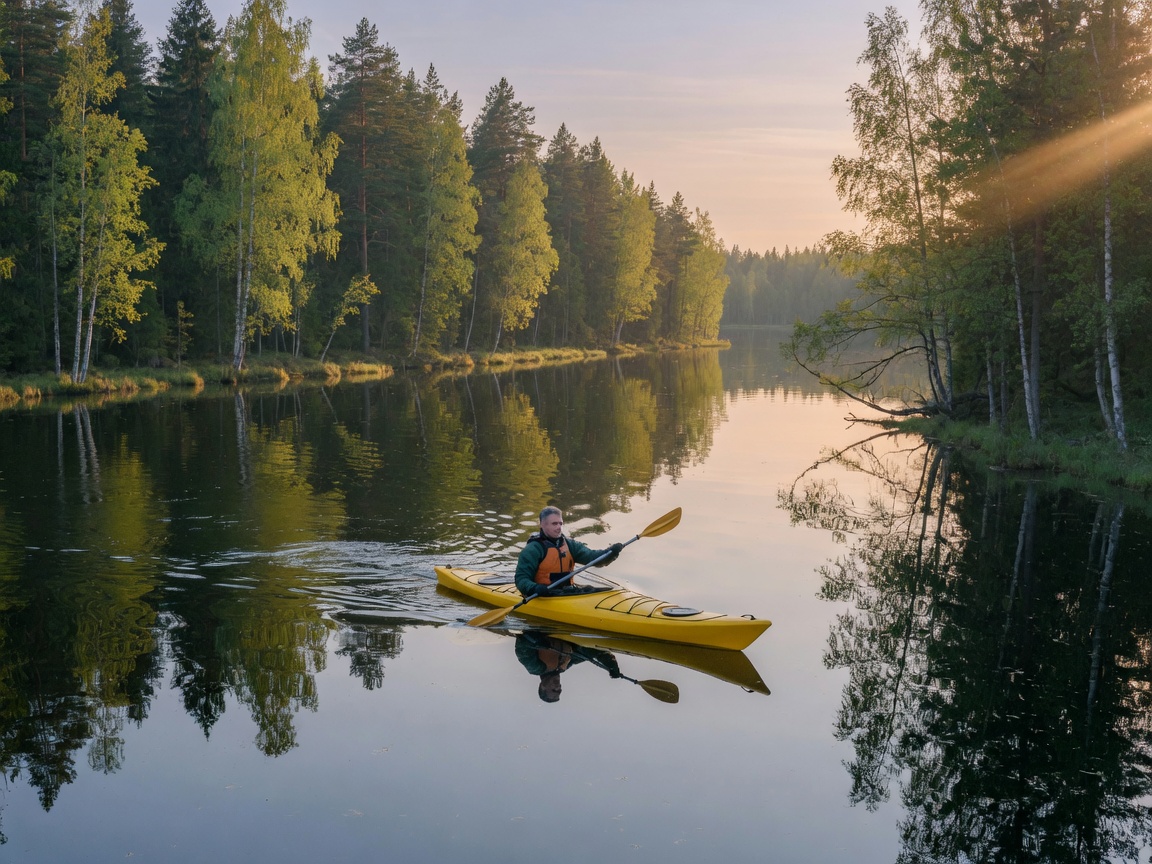
Typical summer temperatures in June hover between 15 and 20 °C, rising to 20–25 °C in July, mild enough for hikes, kayak trips and late-evening campfires without any ice-hotel chill. It’s precisely this gentleness that separates summer Lapland from the winter season: visitors arriving in December battle sub-zero temperatures and only a handful of daylight hours, whereas those who come in June enjoy 24-hour daylight and temperatures that make an outdoor evening genuinely comfortable.
This blend of warmth and endless light also reshapes daily routines. Midnight dinners feel less eccentric here than logical, because day and night blur into one. Stay awake for two or three nights in a row to watch the light, and you’ll often be surprised how little fatigue sets in.
What makes these weeks so scarce
The true midnight-sun window in Rovaniemi is narrow: roughly one month, from early June into July. After that, the sun begins to dip below the horizon, first for only minutes, then more noticeably. If you want the pure form of this phenomenon, you must book within that tight slot, not during the broader summer season before or after. It’s this scarcity that turns a simple natural spectacle into a destination with a clear expiry date.
Good to know
▸When exactly does the sun not set in Rovaniemi?
Between 6 June and 7 July the sun stays continuously above the horizon in Rovaniemi. Nights that never turn truly dark extend from late May into August.
▸Can you still see the Northern Lights in summer?
No. The Northern Lights season here only begins at the end of August. In June and July the sky remains fully bright, the polar opposite of the winter aurora period.
▸How warm does Lapland get in summer?
In June temperatures usually range from 15 to 20 °C; in July they climb to 20–25 °C. Outdoor activities are perfectly possible without winter-grade cold-weather gear.
Image source: cover and article images AI-generated.