Material Knowledge · The Thread Decides
Finest Cashmere: What the Thread Reveals
The hand, the fibre length, and the origin reveal more than the label: whether you hold genuine finest cashmere.

 Wardrobe
The hand, the fibre length, and the origin reveal more than the label: whether you hold genuine finest cashmere.
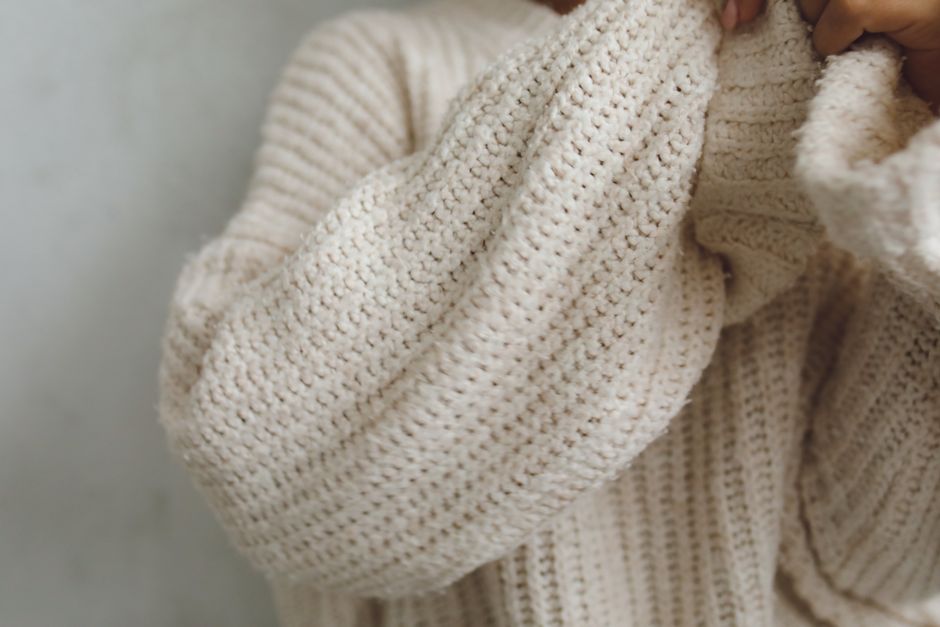
You take the pullover in your hand and know in the first second. Not because someone wrote “luxurious” on it, but because the cloth feels warm before it is warm and yields under your fingers without a greasy slip. Cashmere that earns its name speaks softly. The rest speaks loudly and soon feels hollow.
I long believed you could judge good cashmere by price. That is convenient and wrong. You know it by the thread, the length, the weight, and what still holds after three winters. And you know it by what the goat gives: only the fine undercoat, never the prickly guard hair.
Cashmere is not a wool blend from marketing. It is the winter undercoat of the cashmere goat. In spring the animal sheds this down on its own. Herders comb it out, or shear the fleece and separate later. The decisive step is dehairing: machine or hand separates the soft undercoat from the coarse guard hairs. Only that undercoat may become yarn.
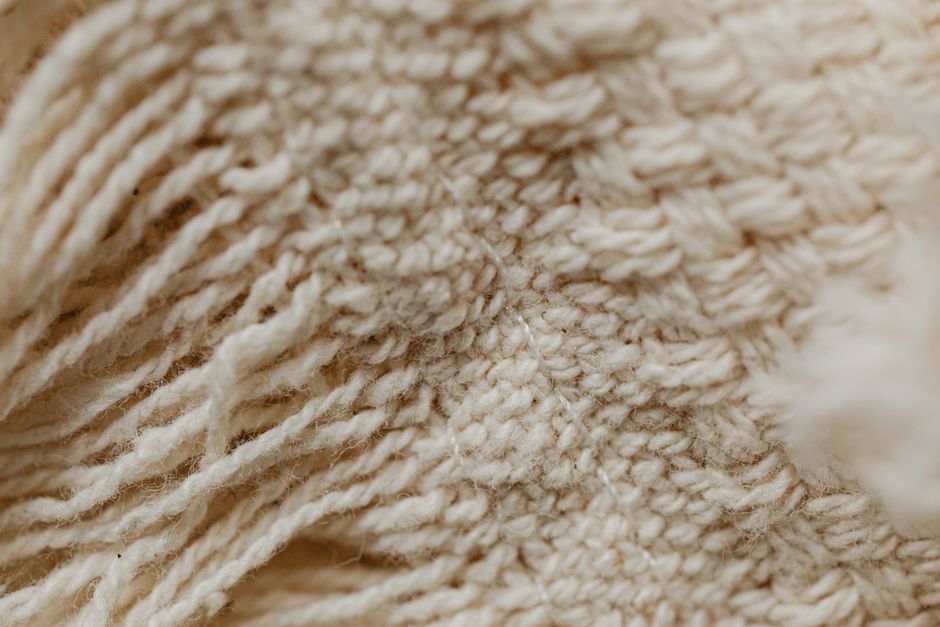
Without that separation the cloth stays scratchy. With it, soft and wearable. Finest goods feel dry-velvety, not oily, not plush like synthetic fibre. When you roll the thread between thumb and forefinger, you feel length. Short fibres break sooner, felt sooner, pill sooner. Longer fibres lock together and keep the knit calm.
A tangible standard comes from US labelling: a product may only be called cashmere if the mean fibre diameter is no more than 19 micrometres and no more than three percent of the fibres exceed 30 micrometres. Fibre diameter decides the hand. Above that, it scratches more like coarse wool.
In practice, finishers speak of still tighter ranges for finest goods: often 14 to 16 micrometres for Mongolian hair, a little wider for some lots from Inner Mongolia. Then length: values around 30 to 40 millimetres count as strong. Shorter fibres can feel soft at first and knot after a few washes.
The hand rarely lies. The label often does.
China supplies the largest raw volume. Mongolia ranks second. Estimates for raw hair stood at about 19,200 tonnes in China and about 8,900 tonnes in Mongolia. A later value-chain analysis puts Mongolia at roughly 9,700 tonnes of raw cashmere. That sounds like scale. Per goat, though, only about 150 grams of usable fine hair come each year. So the finest is never “plenty”.
How it is harvested shapes purity. Combing at moult often yields more pure down than shearing the whole fleece. After that, finishing matters: Scotland, Italy, and Japan have for decades been places where raw fibre becomes quiet yarns and cloths. A good piece carries the work of the herd and the work of the spinning mill.

Then the honest shadow side. Demand for cashmere has driven overgrazing in parts of the steppe. Steppes degrade, dust migrates, herders lose pasture. If you want finest cashmere, weigh origin and certification, not only the hand in the shop.
In the shop itself, a small test without a lab helps. Look at the knit: even, without shiny synthetic strands. Press the cloth: it springs back instead of holding a dent. Rub gently: good hair does not crush into a glossy felt. And smell: clean fibre smells of wool and air, not a fabric-softener mask.
Two-ply yarn often holds its shape better than a thin single-yarn piece that feels elegant and bags sooner. Thickness is no proof of quality. Density and fibre length are. A light, long-fibre pullover warms because cashmere absorbs and releases moisture and so moderates skin temperature. The fibre takes up moisture and releases it again. On the body that means you sweat less dramatically and chill less abruptly.
Mislabelling is no rumour. Institutes and regulators have found lots that held almost no cashmere and still bore the name. That is why transparency counts: a brand with a traceable supply chain, clear data on purity and origin, no vague “cashmere-touch” formulas. If a product feels like cashmere while purity and origin stay vague, a blend or wishful thinking often sits behind it.
What still holds a place in the wardrobe once the first winter is over? Finest cashmere you lay flat instead of hang, wash cold, and air rather than overdo. It takes a patina from your life, not a pilling landscape. You reach for it first in autumn because it has done the work it promised.
By the hand and the knit: dry-velvety, long fibres, even structure, spring-back after pressure. Labels with clear purity and origin help. Vague touch formulas do not.
In the US, the mean fibre diameter may not exceed 19 micrometres if a product is to be called cashmere. Finest goods often sit below that. Above it, the cloth turns scratchy sooner.
Short fibres and loose yarns work free of the knit and ball up. Longer fibres, clean dehairing, and quiet finishing keep the surface clear longer.
Fabrics with character, cuts with calm, and the hand that lasts. Stay in //Style.