Fair, chic, sustainable: these sneaker labels are worth knowing
In 2020 we recommended three fair sneaker labels that could hold their own against Nike and Co. Five years later, all three are still around. What they can do today and which pair really suits you.
In 2020, fair sneakers never made you feel guilty-especially three labels that stood out at the time: Veja, Ethletic and Zweigut. Five years on, the good news is that all three are still making shoes-and getting better at it. We checked back to see what became of our 2020 picks and where they stand today.
- Veja is the classic go-to for everyday wear: Brazilian wild rubber, fairly traded organic cotton, the V-sneaker has been running steadily for years.
- Ethletic, based in Lübeck, is the uncompromising vegan choice: Fairtrade cotton, FSC rubber, each pair supports the wages of the stitchers.
- Zweigut, from Hamburg, is the most unconventional idea: sneakers made from the leather of old car seats, stitched in a family-run workshop near Porto.
- Fair doesn’t have to cost more. Once you’ve made the switch, you rarely go back.
The fashion industry accounts for roughly 10 percent of global CO₂ emissions-more than all international air and sea transport combined. Footwear is its own chapter: glued synthetics, barely recyclable, ending up almost always as residual waste. That’s exactly where these three labels come in, each in its own way. And that’s why we put their names on paper in 2020.
What actually makes a sneaker sustainable?
Not the green logo on the tongue. It comes down to three straightforward questions: Where does the material come from, under what conditions is it stitched together, and does the shoe last long enough to justify the effort? Natural rubber instead of petroleum-based soles, organic cotton instead of pesticide-soaked standard fabrics, fair wages instead of anonymous supply chains. Only those who deliver on all three counts may use the term. Anyone who ticks just one box is simply doing marketing.
The three labels we’re looking at today answer these questions in different ways-and that’s precisely what makes the comparison so interesting.
Veja: the classic that has stood the test of time
Veja is the French label that has grown from niche to mainstream. Its tennis sneakers are made in Brazil; the wild rubber for the soles is sourced from the Amazon under the Fair for Life standard-Veja pays well above the world-market price and adds extra for community projects. The organic cotton is fairly traded, part from Brazil, part from Peru. The leather is vegetable-tanned, and the boxes are recyclable.
Veja’s real breakthrough was never marketing-it was the absence of it. The brand spends nothing on advertising and instead invests every cent in the supply chain. Five years after our first recommendation, Veja is the sneaker you’re most likely to spot on city streets. That says less about the niche and more about the idea.
Veja spends nothing on advertising and invests every cent in the supply chain. The result now walks through every second downtown.
Ethletic: the uncompromising vegan choice
Ethletic, based in Lübeck, doesn’t make things easy for itself. Its vegan canvas sneakers use Fairtrade-certified organic cotton from smallholder farmers in India and FSC-certified natural rubber from Sri Lanka. They’re vulcanized and stitched in a Fairtrade-certified factory in Pakistan. For every pair sold, a fixed amount flows directly into a social project for the workers-no vague donation promise, but part of the cost calculation.
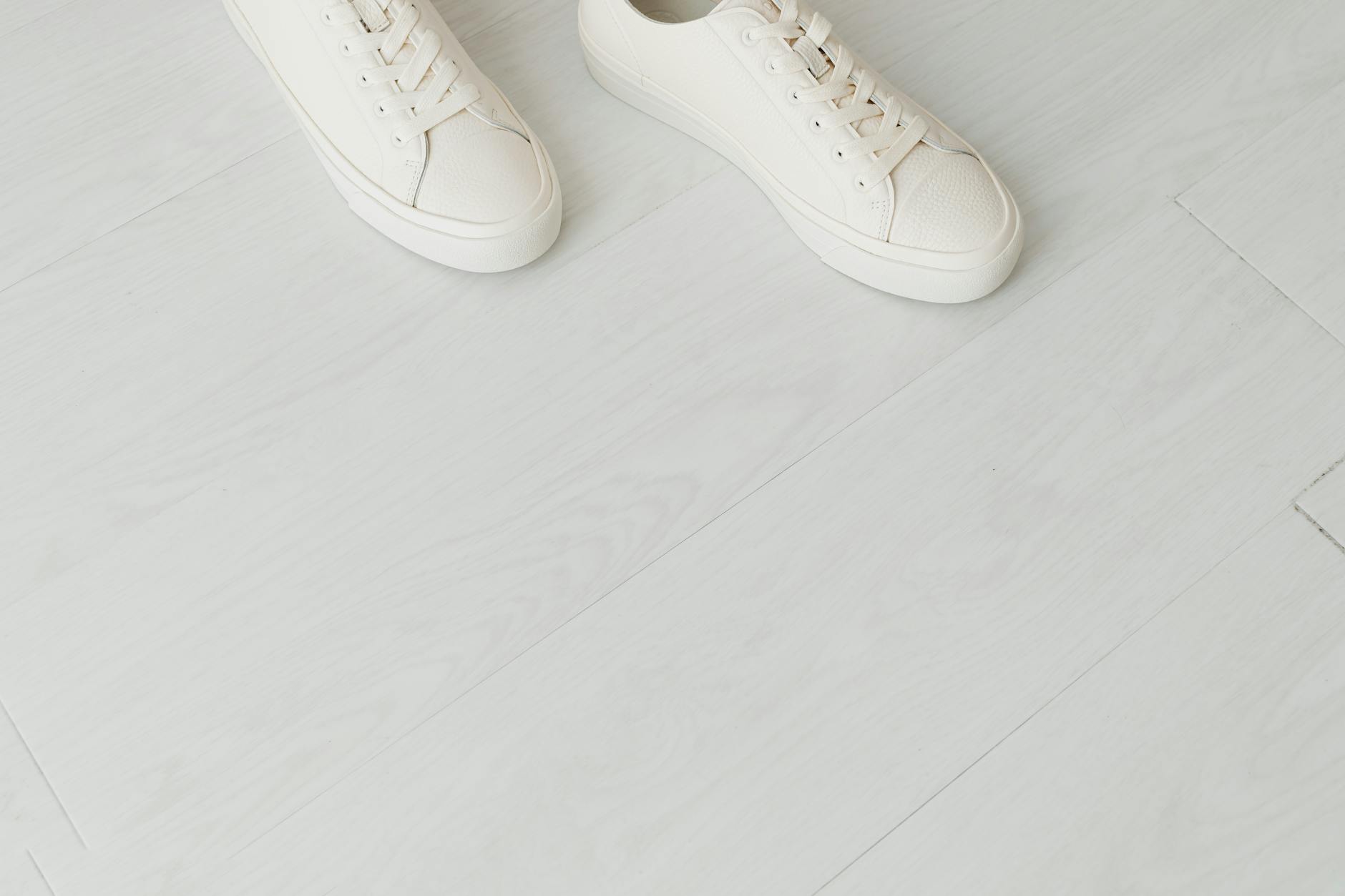
Simple, slightly retro in cut, yet that’s the point: Ethletic doesn’t chase seasonal hypes; it sells a shoe that deliberately stays timeless. Since our first article, the label has refreshed its logo and rebuilt its Sri Lankan rubber supply chain, but its ethos remains unchanged.
Zweigut: turning old into new
Zweigut is the most unconventional of the three. The Hamburg brand, run by siblings Sandra and Bastian, stitches shoes from re- and upcycled materials. Its signature line, “echt,” is made in a family-run workshop south of Porto, Portugal. The upper is crafted from leather salvaged from discarded car seats, complemented by cork and even outsoles from other sneakers. Vegan models carry a dedicated icon so you can spot them at a glance.
A sneaker from an old car seat may sound like a gimmick, but it’s rigorously thought through: the leather already exists; it just shouldn’t end up in the trash. Zweigut is still active in 2025, running an online store and several model lines. If Veja feels too common and Ethletic too plain, this is your alternative.
Which pair is right for you?
You want an all-rounder everyone recognizes and that goes with everything: Veja. You want uncompromisingly vegan and like the canvas look: Ethletic. You want something nobody else is wearing and that tells a story: Zweigut. None of the three costs more than a comparable sneaker from a conventional brand-the only premium is that you have to think for a moment before you buy. That’s a price worth paying.
If you’re ready to dive deeper into sustainable fashion, check out our roundup of denim labels with the same ambition. And if you love the made-to-measure sneaker concept, take a look at customizable sneakers from DiVERGE.
Quick Answers
▸Are sustainable sneakers more expensive than regular ones?
Generally not. Veja, Ethletic and Zweigut fall within the same price range as comparable conventional sneakers. The difference isn’t in the price tag but in the supply chain behind it.
▸Which of the three is fully vegan?
Ethletic is entirely vegan. At Zweigut, only the models marked with the Vegan icon are animal-free, since the brand also processes recycled leather. Veja offers both leather and plant-based models.
▸Are these labels still around five years after their first release?
Yes, all three continue to produce. Veja has grown significantly, Ethletic has modernised its logo and supply chain, and Zweigut still runs its shop with multiple model lines.
▸How can I tell if a sneaker is truly fair?
Reliable indicators include independent seals such as Fairtrade, FSC for rubber or Fair for Life, as well as a transparent, openly communicated supply chain. A green logo alone doesn’t tell the full story.