Citroën DS: Sensuality That Never Ages
A saloon that floated on the road before anyone had even re-spelled the word comfort. Why the Déesse still seduces museums and country lanes alike.
Some cars try to look faster than they go. The Citroën DS never tried to look faster. It tried to look different. From a distance, that teardrop silhouette still looks like it escaped from a sketch, not a factory. And that’s the moment a 1955 saloon stops being an old car. It starts being an idea that refuses to die.
- World premiere 6 October 1955 at the Paris Motor Show, successor to the Traction Avant
- Design by Flaminio Bertoni, engineering by André Lefèbvre
- First mass-produced car with hydropneumatic suspension, the famous floating ride
- Production 1955–1975, evolving into DS 19, DS 21 and DS 23
A name like a promise
In French, DS sounds exactly like “Déesse”, goddess. That wasn’t accidental; it was a deliberate wordplay. It worked. Few model names carry their aura in the sound itself. When the car took its bow on 6 October 1955 at the Paris Salon, it replaced the staid Traction Avant and cast everything else into shade. Post-war modernity suddenly had a face. It was long, low and voluptuous.
Imagine the scene: a trade-fair hall, cold neon, people in overcoats. Then this silhouette, frozen water in motion. Bertoni had been a sculptor before he drew bodies. Every line shows it. Lefèbvre supplied the engineering. Together they didn’t build a car; they created an object you want to walk around before you climb in.
The floating ride nobody expected
The real revolution wasn’t on the surface; it was underneath. From 1955 onward, the DS brought hydropneumatic suspension to the mass market. A self-levelling system that kept ride height and comfort independent of load. On start-up, the pump fired once, short and sharp, then the level settled. The body gave evenly. Contemporaries called it floating, and no word fits better.
What that meant in daily life became clear on 22 August 1962. During the Petit-Clamart ambush on Charles de Gaulle, bullets shredded two tyres of the presidential DS. The car rolled on flat tyres and whisked de Gaulle to safety. Since then, the suspension carries a political halo that clings to the Déesse like the single-spoke wheel.
The DS never tried to look faster. It set out to prove that a car can be a kind of courtesy.
An interior that feels like a drawing room
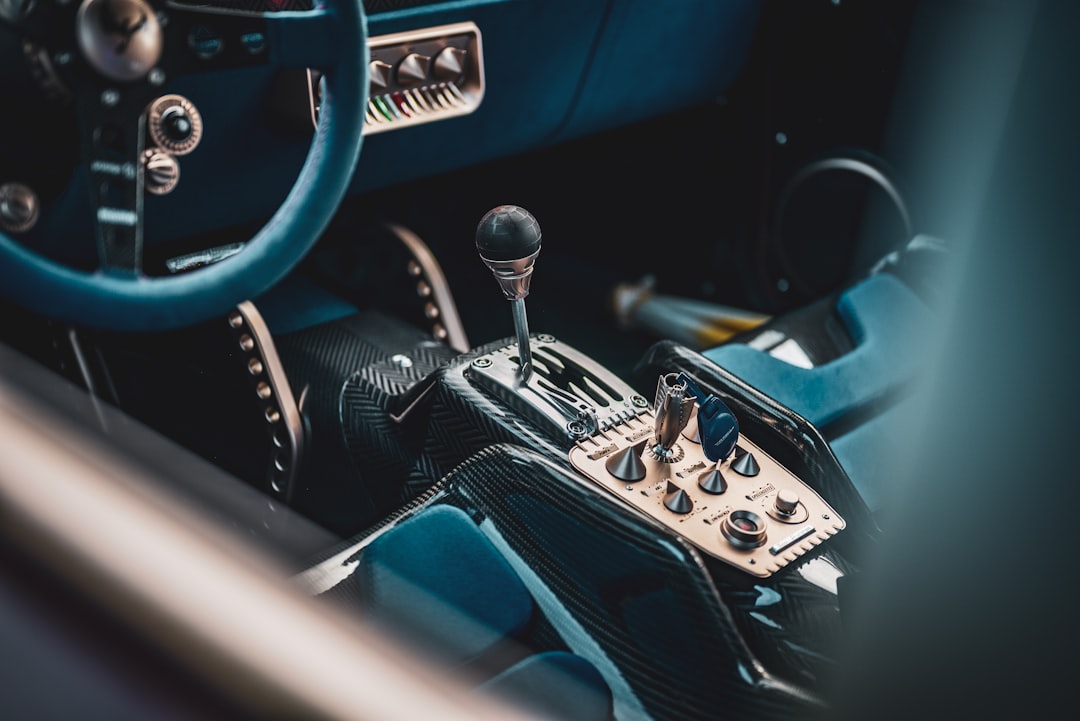
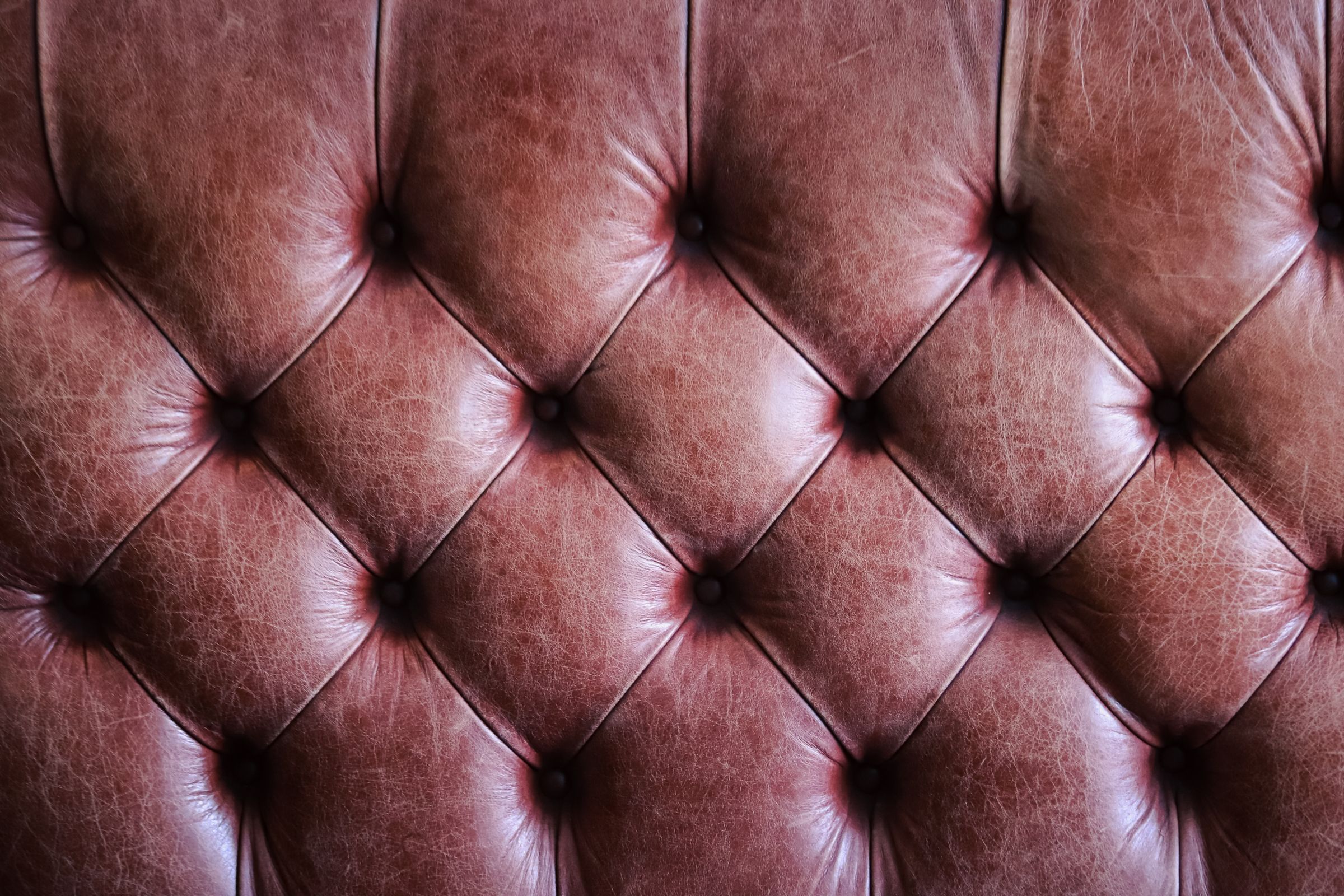
Climb in. Techno-aesthetics melt into homeliness. The single-spoke wheel, the curved dash of organically shaped plastic, almost furnished, this isn’t cockpit logic, it’s drawing-room logic. The DS doesn’t haggle over sportiness; it offers calm.
Anyone who has sat inside understands why Citroën’s idea of comfort was never an add-on, but the main event. You’re not sitting in a machine; you’re in a room that thinks softer than most rivals of its day.
From the 1967 facelift onward, swivelling headlamps tracked the steering, an early, visible sign of the DS’s asymmetrical, tech-forward design ethos that set it apart from every rival. There are details you only notice on the second look. With the DS, those details are what make the first look possible at all.
From limousine to hand-crafted sculpture
Alongside the saloon and estate, hand-built variants emerged that showcased the couture potential of the base line. Coachbuilder Henri Chapron, for instance, crafted elegant cabriolets and coupés that demonstrated how far this line could be pushed without losing its poise. The series ran for twenty years, from 1955 to 1975, expanding into the DS 19, DS 21 and DS 23 before the CX took over the flagship mantle.
Museum and country road, the same allure
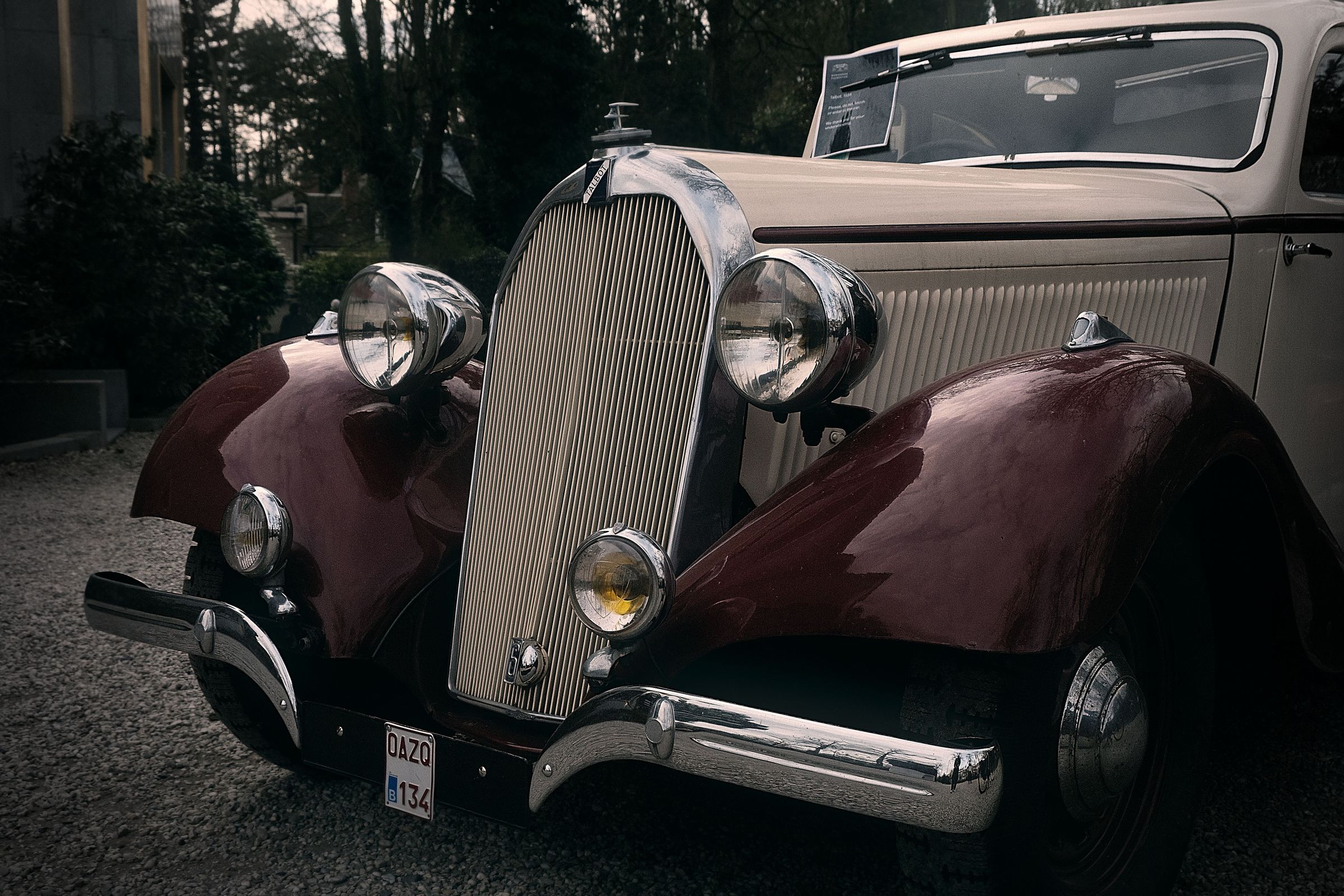
The DS ranks among the automotive key objects of modern design history. Institutions that archive car design as a cultural phenomenon regularly honour it. In collector and buying-advice culture it is held up as the benchmark for French comfort. That a restoration is complex deters no one who has once experienced the drive. It belongs equally behind museum glass and on a country road in golden evening light.
That is precisely why the DS never ages. It was never tied to a fashion because it was never fashion itself; it was a principle: that progress can feel soft. A car you buy because it drives right and looks right is a different argument from one you buy because a name on the label says so. The Déesse has both. And she had it first.
Details
▸Why is the Citroën DS called “Goddess”?
The letters DS sound like “Déesse” in French, the word for goddess. It was a deliberate wordplay that from day one imbued the model with an aura of elegance and cult status.
▸What was technically new about the DS?
As the first mass-production car, the DS introduced hydropneumatic suspension in 1955. This self-levelling system kept ride height and comfort constant regardless of load and delivered the famous floating sensation contemporaries described as “hovering”.
▸How long was the DS in production?
Series production ran from 1955 to 1975. During that time the range grew to include DS 19, DS 21 and DS 23; its successor in the flagship class was the Citroën CX.