Essay · Cinema Culture
Cinema Endures Because It Pulls Your Whole Body Into the Story
Cinema pulls your whole body into the story. The scale of the screen and the shared darkness create an attention that no home allows.

 Books & Film
Cinema pulls your whole body into the story. The scale of the screen and the shared darkness create an attention that no home allows.
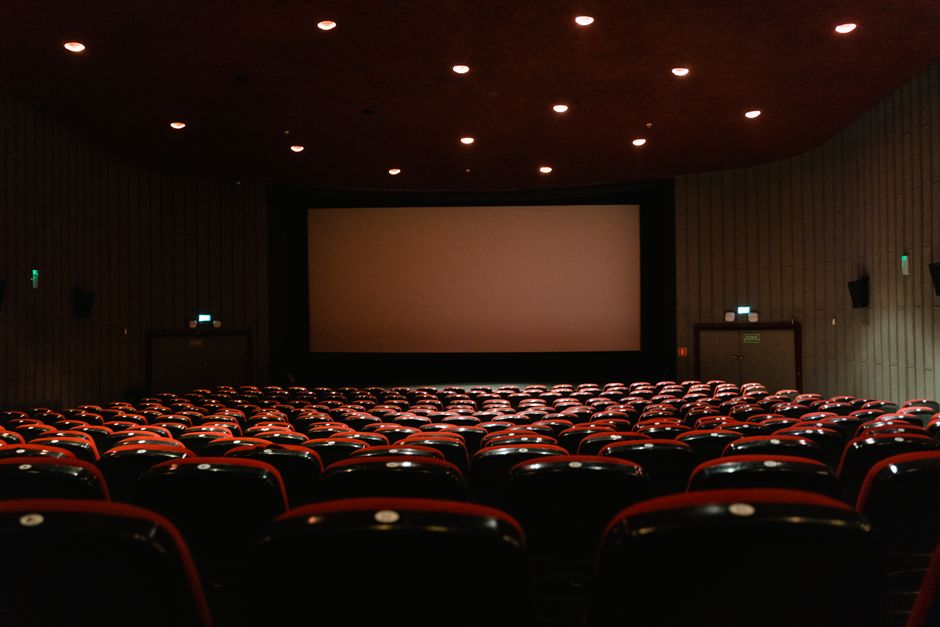
You walk through a door and leave the day outside. In the auditorium it grows quiet before it turns completely dark. The screen is the only thing still giving light. In this moment something begins that cannot be repeated at home.
The light does not come from the screen. It is thrown onto it. You can see the beam when a little dust or smoke hangs in the air. The image only comes into being the moment it travels the length of the auditorium. This journey of the light changes perception. You are not merely a viewer. You are part of the space the image passes through.
In a proper cinema auditorium you feel the scale of the projection in your body. A face several meters tall registers differently than on a screen. A landscape does not draw you in only visually. It changes how you sit and how you breathe. The movement on the screen carries physical force because it fills the entire room.
Around you sit people you do not see. You hear them breathe or shift. Sometimes someone lets out a short laugh or a collective silence settles. This shared darkness changes how the film affects you. You are alone with the image and yet not alone. The presence of others sharpens concentration without anyone needing to speak.
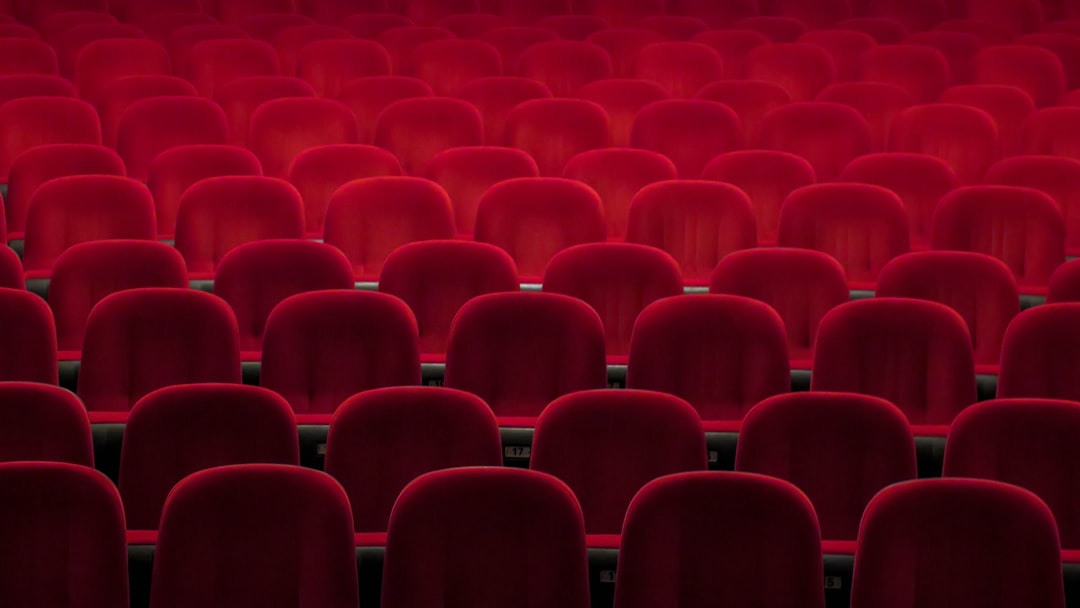
In the cinema there is no option to look something up or look away. The phone is switched off or lies in the backpack. Time belongs to the film. This obligation is uncomfortable and it is the reason some films unfold their full power only here. At home you can interrupt. In the cinema you have to see it through.
An arthouse cinema often shows films in the form they were conceived. The screen has a specific aspect ratio. The sound comes from the front and the sides. When the screening begins, there is a moment when the room itself disappears. Only the image and the sound remain.
This experience cannot be transferred to a television or a laptop. The scale changes how you read faces and how you perceive distances. A detail at the edge of the screen is not overlooked because it belongs to a larger image. On a small display everything becomes equally important or equally unimportant. The screen reorders attention.
When you buy a ticket and take your seat, you give something up. You surrender control over the duration. You surrender the possibility of doing something else. In return you receive a concentration that has become rare. The film can reach you because you give it the space to do so.
Many people go to the cinema because they sense something is missing at home. It is not only the technical quality of the image. It is the absence of everything else. Cinema endures because it demands a form of surrender that no stream offers. You are there. The film is there. Everything else is outside.
A good television shows the image clearly and with good sound. It does not, however, convey the scale or the journey of the light through the room. It allows interruptions and lets you do something else at the same time. The cinema auditorium forces you to be fully present. That changes what you see.
It creates a silent agreement. No one speaks. No one scrolls. Everyone breathes at the same time. This collective concentration amplifies the impact of individual scenes. A laugh or a collective pause becomes part of the experience. This quiet community is missing at home.
The film is available on streaming. The experience of the film in the right space is not. The screen, the projection and the shared darkness let the film arrive differently. Some films need these conditions to unfold their full power. Other films you can watch at home. Making that distinction is part of the stance.


