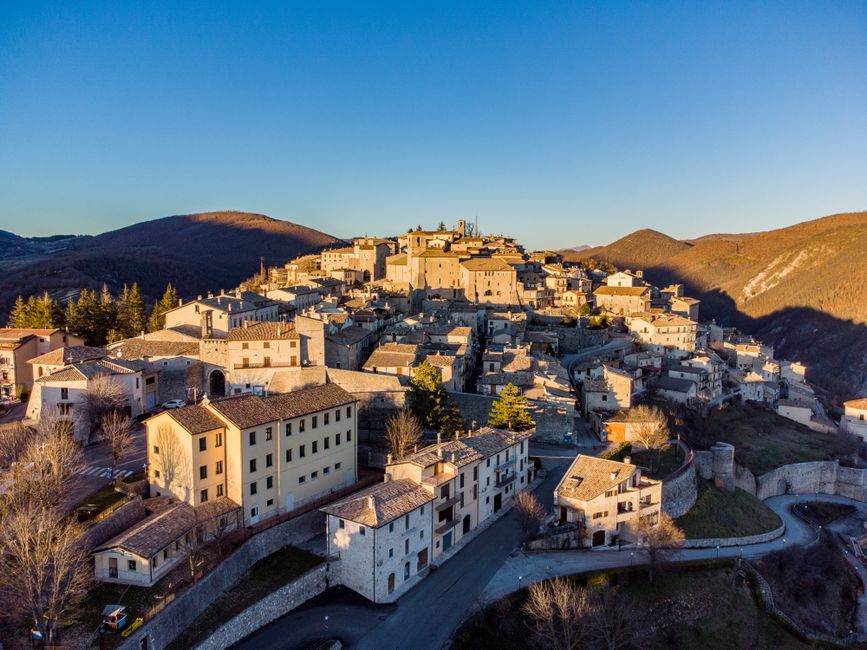
Perched above the Meran basin on a rocky ridge reachable only by a narrow road, two buildings span five centuries yet now share the same estate: a medieval castle and its Baroque hunting lodge. One speaks of power, the other is today a hotel with twenty suites. Both share the same view.
Some places shout for attention; others reveal themselves only after you’ve rounded the final bend. Fragsburg belongs to the second kind. It isn’t on a promenade, not at the valley floor, not where traffic naturally passes. It sits on a rocky ridge above Meran, some five hundred metres above the bustle of the spa town – and that elevation is no accident, but deliberate. Whoever built up here wanted the overview, not the crowd. Whoever stays overnight today is essentially seeking the same.
Quick Facts
Castel Fragsburg sits near Meran at over 800 metres above sea level, roughly 500 metres above the Meran basin.
The castle was erected in the second half of the 14th century by Otto von Auer; the fief was confirmed in 1357.
The Castel Fragsburg hunting lodge was built in the 17th century for the castle’s owners and is now a five-star hotel with just 20 suites.
In 2019 the Ortner family reunited the castle and the hotel, restoring what once belonged together.
About a 15-minute walk away lies the Fragsburg waterfall of the Sinichbach, a natural monument.
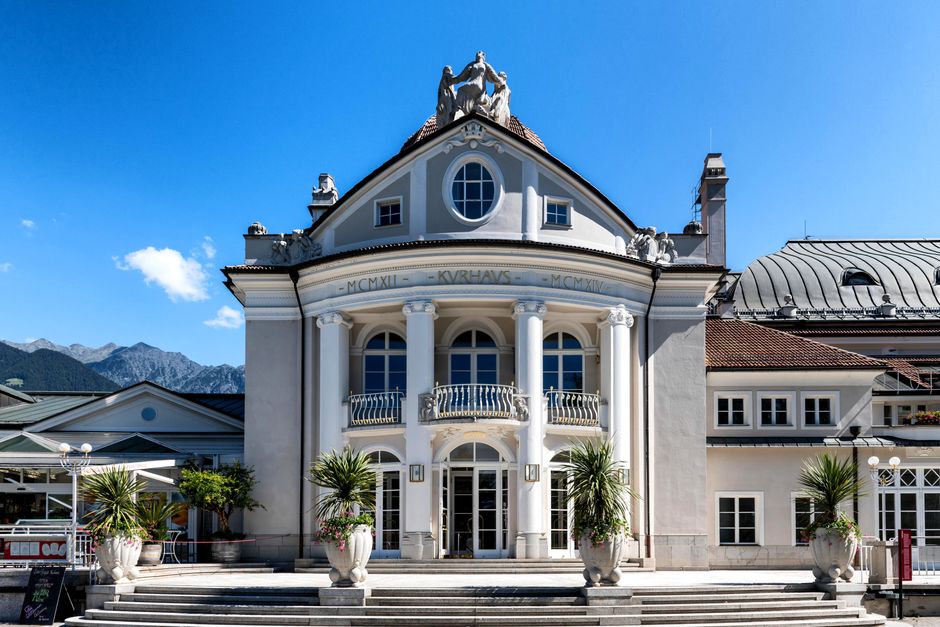
Meran is postcard-perfect: palms along the Passer promenade, mild climate, Art-Nouveau façades, the Kurhaus, the entire soothed Habsburg legacy of a town that prescribed recuperation in the 19th century. That is the city below in the basin. Fragsburg belongs to a different geography-connected to Meran yet deliberately set apart. It stands above, on the slope where the basin ends and the mountains begin. Five hundred metres of altitude are no trifle; they mark the difference between being in the midst of things and above them.
A castle built for the view
The older of the two structures is the actual castle, and its dates are unusually well documented. It was erected in the second half of the 14th century by Otto von Auer, with the associated fief confirmed in 1357. In historical records, the medieval stronghold bears the name Paternum; over the centuries other names such as Schloss Freiberg or, in Italian, Castel Verruca have circulated. This variety of names already tells a story: a place important enough to be called different things in different languages and eras is rarely a backwater.
Whoever in the 14th century placed a castle on a rocky ridge first thought of control. Height meant sight, sight meant early warning, and a structure reachable only by a narrow ascent defended itself almost automatically. What was military logic then is today’s entire appeal: the same position that once kept attackers at bay now keeps daily life at a distance. The view over the Adige Valley, which a medieval lord understood as a strategic tool, has become a 21st-century luxury no new-build at valley floor can replicate. Location is the one quality that cannot be renovated.
Castles like this age in their own way. They were built from the very stone they stand on, with walls that feel more like geology than architecture. Such a complex never looks quite finished and never quite old; it seems always to have been there. That sets it apart from the later, more refined edifice a few steps away, which strikes a very different note.
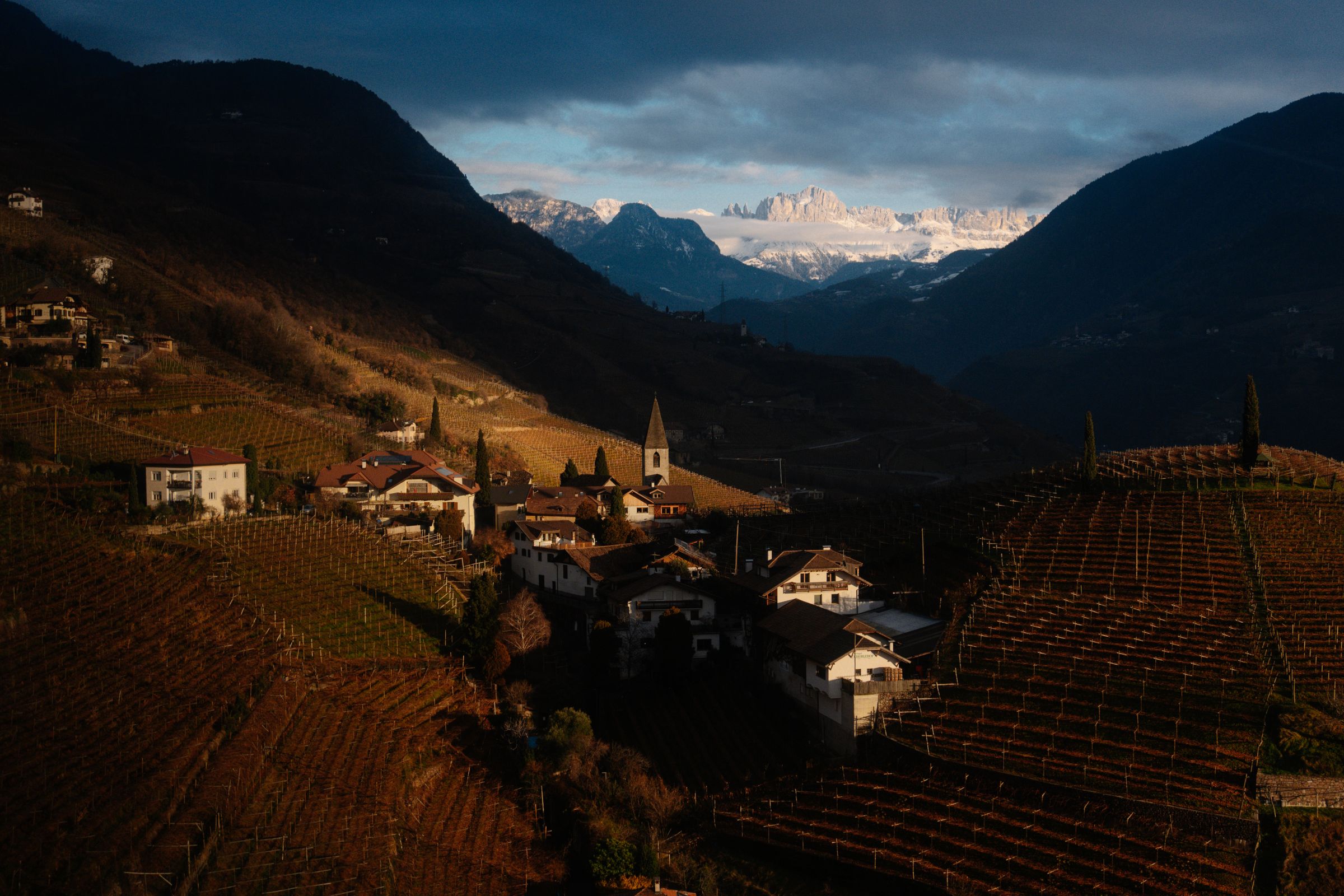
The view in question: from the slopes above Meran the basin opens up, and the Adige Valley stretches into the distance. Whoever built up here built for precisely this expanse. Image source: Pexels / Joerg Hartmann.
The elevation also alters the micro-climate. While down in the town the Mediterranean mildness for which Meran is famous prevails, up on the ridge the wind arrives earlier, evening cool descends faster, and morning mist lingers longer between the slopes. It’s the same region, yet a different weather pattern. Overnight guests do not get the town with a better outlook; they get a related yet distinct place with its own rhythm of light and temperature.
The hunting lodge came later, with a different brief
Three centuries after the castle, in the 17th century, the second building arose: the hunting lodge Castel Fragsburg, built for the castle’s owners. A different building type, a different idea. A castle defends; a hunting lodge indulges. It was not constructed to protect but to retreat, to shift from representation to recuperation, to receive guests in a landscape where one hunted, ate, and lingered. From the outset this house was intended for what it still does today: take people away from their ordinary lives for a while.
That it has become a five-star hotel is therefore not an alien repurposing but almost a return to purpose. Castel Fragsburg now operates as a Relais & Châteaux property with just twenty suites-twenty suites in this world is a statement. It is the scale at which staff still know the guests, where nothing runs on industrial rails, where a house can retain a handwriting instead of playing a brand on loop.

 //TRAVEL