Baroque Pearls: Glamour Without the Schoolgirl Look
Irregular shapes, deep Tahitian hues, asymmetrical necklaces: the pearl is back, without the retro kitsch. A guide to luster, quality, and how to wear them with jeans without looking like a costume.
There was a time when pearls were seen as something you inherit but never wear. Too prim, too preppy, too much like Grandma’s jewelry. That era is over. What’s returning isn’t the flawless white strand over a little black dress, but something more irregular, darker, more grown-up. The baroque pearl that refuses to be smooth.
- Well-formed baroque (irregular) cultured pearls are, according to GIA, equally coveted as round pearls
- Among quality factors, luster is often the key value driver, not perfect shape
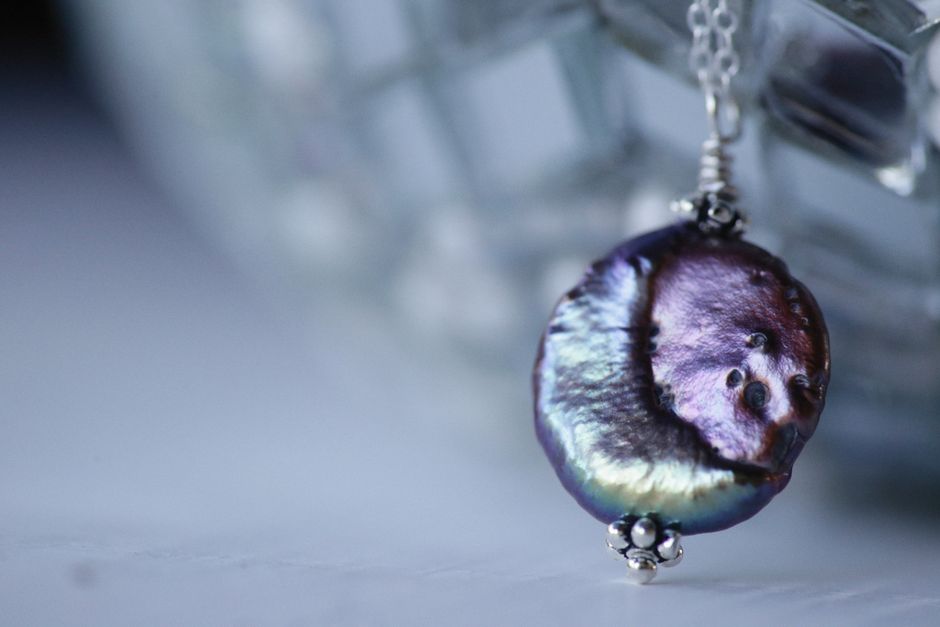
- Tahitian cultured pearls display deep grey to black with pink-green iridescence, an adult tone instead of bridal white
Why irregular doesn’t mean inferior
The biggest misconception about pearls is the equation round equals good. It’s wrong. According to the Gemological Institute of America, well-formed baroque cultured pearls are considered as desirable as perfect round pearls. Shape is just one criterion among many. For the character of a piece, it’s often the least important.
What truly matters is luster. Among quality factors, it’s frequently the decisive value driver: the depth of the shine, the way light doesn’t merely sit on the surface but seems to emanate from within. A baroque pearl with strong luster feels more alive than a flawlessly round one without. That’s what separates a piece that looks lifeless from one with real depth.
The color of the grown-up pearl
The fastest way to take pearls out of the schoolroom is through color. Tahitian cultured pearls span a wide palette, from deep grey to black as the body color, topped with overtone and an iridescent shimmer that can cast pink-green reflections. This isn’t bridal white or confirmation beige; it’s a color space that evokes oil on water more than a jewelry box.
That tone changes everything. A dark, irregular pearl reads modern, almost graphic. It works over a simple black top just as well as over a white tee. Jewelry historians and dealers have noticed the same trend for years: pearls are no longer reserved for special occasions but are worn with jeans and everyday outfits, often layered with chunky gold chains.
What the market is saying right now
The pearl boom isn’t just a fashion blip. Dealers report years of sustained demand not seen since the pre-2008 boom. Designers are reimagining the classic gemstone with unexpected material pairings and modern silhouettes. Jewelry historian Beth Bernstein put it to the trade press: after a stretch when pearls were dismissed as preppy or Grandma chic, everyone is working with them again.
The quickest route to wearing pearls like an adult isn’t through shape, it’s through tone. Dark beats flawless.
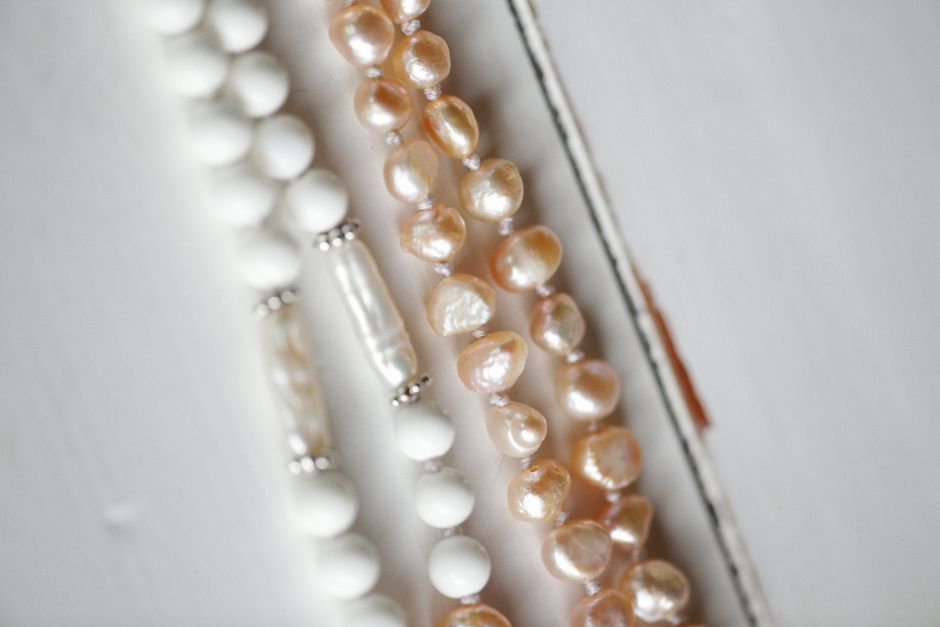
In practice, that means asymmetrical necklaces, mixed tones, baroque forms instead of uniform rows. One designer offers a multi-strand of baroque Blue Akoya pearls in muted, mature hues. Others combine Akoya, Tahitian and Golden South Sea in a single earring. The common denominator isn’t perfection; it’s character.
How to Spot Quality Pearls
When buying pearls, there are three key things to check before looking at the price. First, the luster: does the shine appear deep or merely superficial? Second, the surface: minor irregularities are acceptable in baroque pearls, but a dull or chalky finish is not. Third, the color: a true, iridescent hue has depth, while a flat, uniform color often looks artificial.
You don’t need a lab for this test, just good light and patience. Hold the piece up to a window, turn it, and watch how the shimmer shifts. A fine pearl changes with the angle; a poor one stays lifeless. The difference is visible to the naked eye once you know what to look for.

The Subtle Way to Wear Pearls
The most elegant way to wear pearls is effortlessly. Not as a coordinated set, not as a full ensemble, but as a single statement piece that contrasts with the rest of your outfit. A baroque necklace over a crisp white shirt. An asymmetrical choker over denim. A single dark pearl earring instead of a matching pair.
The mistake is always completeness. A pearl necklace plus pearl earrings plus pearl bracelet instantly tips into costume territory. A single, characterful piece, however, reads like a deliberate choice, not a disguise. That’s the whole trick: pearls as an accent, not a uniform.
Quick Answers
▸Are baroque pearls less valuable than round ones?
No. According to the GIA, well-formed baroque cultured pearls are just as desirable as round pearls. What matters most is the luster, not the perfect shape.
▸What makes Tahitian pearls special?
Tahitian cultured pearls feature dark gray to black body colors with an iridescent sheen that can produce pink-green reflections. This sophisticated color palette sets them apart from classic pearl white.
▸How do I identify a high-quality pearl?
Look for three things: deep, shifting luster, a clean surface, and a color with genuine depth. Hold the piece up to the light and turn it. A fine pearl changes with the angle; a poor one stays dull.
Image credits: Hero image and first article image Pexels / Alexey Demidov; second article image Pexels / Khairul Onggon.