Why Surprising Bids Define Auction Culture
Surprising auction prices aren’t a market flaw-they reveal how condition, color, history, and timing shift a collector car’s value.

 //DRIVE
Surprising auction prices aren’t a market flaw-they reveal how condition, color, history, and timing shift a collector car’s value.
Unexpected bids aren’t a market error. They show just how much history, condition, color, timing, and community can transform a car’s worth.
If you view an auction as nothing more than a price list, much of it seems irrational. But once you factor in color, history, condition, and the room itself, that number becomes a small cultural story.
An auction has that one instant when all the numbers suddenly soften. The car stands there, its story told, and two people want it. From that point on, no spreadsheet can help.
That’s precisely why surprising bids feel so compelling. They don’t prove the market is crazy-they prove collectors are human. People don’t just buy sheet metal; they buy memories, color, a gap in the garage, and sometimes the satisfaction of not letting go.
Hagerty describes auction results as a key piece of valuation – but not the whole truth. That’s crucial. A result can point the way, but it doesn’t replace condition, history, provenance, or timing.
Two seemingly identical cars might look close on paper but feel entirely different in the room. One has the right color, the right story, the better photos, the more credible documentation. The other just shares the same model name.
Platforms like Bring a Trailer have transformed auction culture because the sale no longer happens just on stage. It unfolds in comments, questions, old receipts, detail shots, and collective observation. Road & Track has documented how these online auctions have reshaped the collector car market.
The audience becomes part of the moment. Not everyone bids, but everyone judges. Sometimes that drives up rationality, as flaws become visible. Other times, it fuels emotion, turning a car into a story for the entire community.
A high price can be nonsense. But it can also be a signal-that a generation is suddenly buying what was once just a memory, that a color was underestimated, that a car is no longer just a used vehicle but a cultural marker.
The mistake is declaring every surprising result the new norm. A better approach is calmer: Why this car, right now, with these people in the room? That’s where true collector culture begins.
An auction price doesn’t need a crowd to become surprising. Sometimes, two are enough. Two collectors who want the same car for different reasons-one sees their youth, the other a missing spec in their collection. Suddenly, you have a result that outsiders call irrational.
That’s not a flaw in the auction system. It’s its essence. An auction doesn’t just measure objective value-it measures the pressure of the moment. It shows what happens when scarcity, memory, and public attention collide.
That’s why surprising bids deserve neither scorn nor worship. They deserve to be read.
With collector cars, it’s often the details that look minor on paper that make all the difference. A rare paint color. A first owner with a story. A folder full of receipts. A photo from the car’s early days. That one sentence in the description that suddenly ties everything together.
Such details don’t always change the car’s technical condition, but they do change its narrative. And in the collector market, narrative isn’t just decoration-it’s part of the product.
That’s why a surprising bid is often less surprising when you’ve actually read the story behind it. The price isn’t just for the car; it’s for the confidence that the car has a great story to tell.
Online auctions have created a new kind of public space. In the past, much of the action happened in the room, in the catalog, or in side conversations. Today, a car sits in the digital spotlight for days, with questions, tips, corrections, and memories visibly accumulating around it.
This can be tough, because flaws come to light faster. But it can also add depth to a car. When experts confirm details, expand on old stories, or contextualize rare specifications, trust builds. And trust is almost as important as enthusiasm when placing a bid.
In this sense, the comment section isn’t just background noise-it’s part of the due diligence. Sometimes, it’s even part of the magic.
A high price doesn’t automatically mean significance. Some expensive sales are just expensive. What’s truly interesting is when a result reveals a shift: a generation suddenly buying the cars they once pinned to their walls, a long-overlooked style getting reappraised, or a supposed niche variant having its moment.
Then, the bid is more than just a number-it’s a signal. Not always lasting, not always rational, but worth paying attention to.
The smart collector doesn’t blindly chase these signals. They look at why they emerged. That’s the difference between market panic and cultural insight.

The hammer price rarely tells the story of just the car. It tells the story of the moment when two collectors refused to let go.
A collector market without stories would just be a price list. No one travels for a price list. People travel to auctions, open listings, read comments, and study photos because they want to know why this particular car might be different from the next. The price is just the moment when that story gets a number.
That’s also why surprising bids linger in the air. They feel like little disruptions in the system. Suddenly, the scene has to recalibrate: Was the car undervalued? Was the buyer irrational? Or did the market see something the old spreadsheets missed?
Usually, the truth lies somewhere in between. A single result rarely rewrites the rules. But it can be a window-showing which dreams are gaining momentum.
Those who see auctions as purely commercial transactions miss this cultural dimension. The room, the platform, the comments, the tension just before the final bid-all of it contributes to the value, even if it never appears in an appraisal column.
Not every thrilling auction ends with a record. Sometimes the surprise is quieter. A long-overlooked model suddenly attracts serious bidders. A colour once considered difficult now feels just right. A car with honest patina beats a sterile garage queen because its story carries more weight.
These outcomes are often more interesting than the big headlines. They reveal how tastes shift. Collectors grow older, new buyers enter the scene, old prejudices fade. The market isn’t driven by money alone-it’s driven by memory.
That makes it unpredictable, but also alive. A perfectly rational collector culture would be neater, but dull. Surprises keep it vibrant.
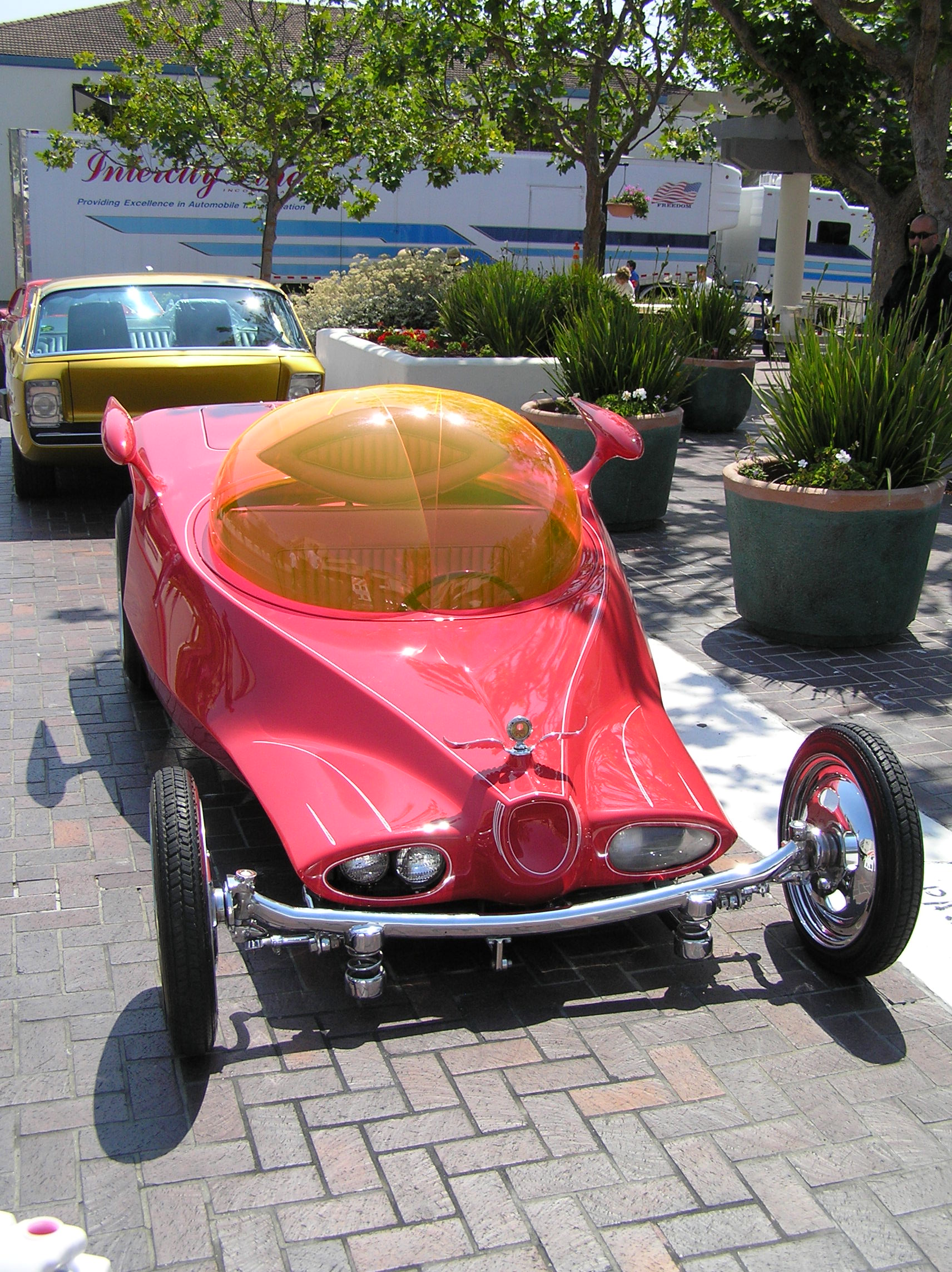
The smart observer remains level-headed, though. Not every outlier deserves imitation. But every outlier deserves the question: What did someone desperately want here? The answer often holds more truth than the price itself.
Auctions are so fascinating because they make taste public. A private sale disappears into a garage. An auction result stays visible – and gets discussed. It sparks conversation, and that’s how it shapes culture.
Of course, this can overheat. A strong result might tempt sellers to overvalue their own cars. It might make buyers anxious. For a few weeks, it can create the impression that an entire market has shifted-when really, just two people were determined.
But even this exaggeration is part of the scene. It forces collectors to look closer. Was the car truly comparable? Did it have special history? Was the colour rare? Was the documentation better? Or was it simply a moment that can’t be repeated?
Those who ask these questions stay grounded. They don’t chase every result-they learn from them. Auction culture then becomes not speculation, but education for the eye.
That’s why surprising bids matter. They remind us that cars aren’t neutral commodities. They carry stories, projections, old desires, and new trends. The hammer price is just the sound this mix makes in the end.
The best way to handle such results is neither cynicism nor euphoria. Cynicism misses the passion; euphoria misses the scrutiny. The interesting perspective lies in between: What made this car so desirable in this moment?
Ask that, and auctions become less noisy and far more instructive. They don’t just show what was paid-they reveal which stories resonate, which details matter, and which longings a generation suddenly takes seriously. That’s why surprising bids belong in collector culture. Without them, the market would be cleaner, but poorer.
Perhaps that’s why auction nights captivate even those who don’t bid. They show desire in real time-not tidy, not always rational, but honest enough to reveal something about the scene. Look closely, and you’ll learn more about collectors there than from any market chart.
How craftsmanship influences these valuations is explored in our piece on panel reconstruction of lost coachwork. A concrete example where documentation directly justifies the price is the Alfa GTAm Recreation by Fast Classics.
Not necessarily. They can stem from genuine competition, rare specifications, thorough documentation, or perfect timing.
No. A single result is a data point, not an absolute truth. Condition, history, and comparable sales remain crucial.
Because they visibly combine price, documentation, and community. The conversation around the car becomes part of its market presence.
A surprising bid is rarely just a number. It’s the instant when object, space, and desire briefly speak the same language.
Image sources: Wikimedia Commons / MarcMFresko, CC BY-SA 3.0.