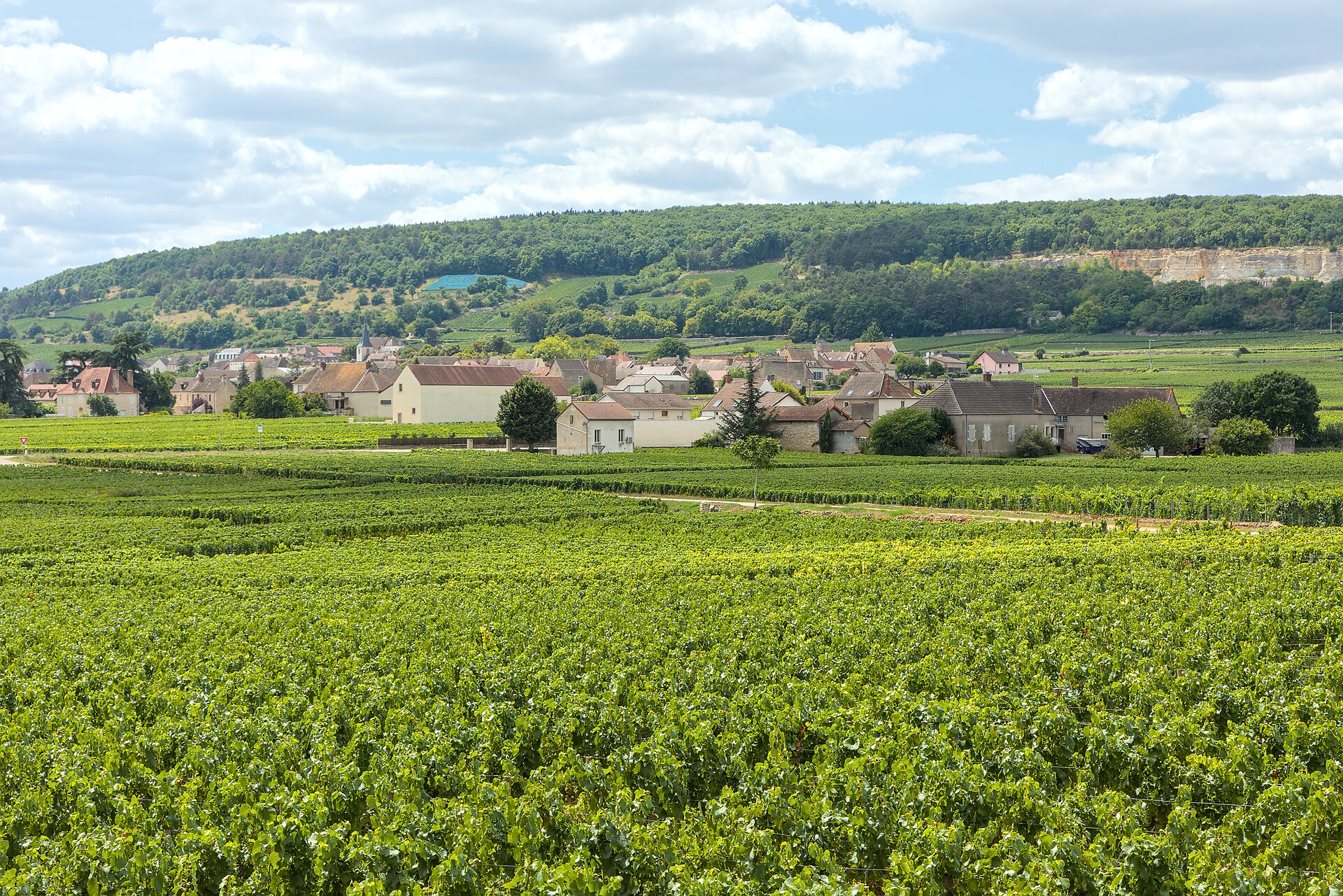
In Burgundy, there’s a slope so unassuming you’d drive past it three times if you didn’t know what lay beneath. A gentle rise between Puligny and Chassagne, barely eight hectares, half-enclosed by a wall, dusty in summer, golden in autumn. The sign bears a word that makes wine collectors catch their breath: Montrachet. And on a strip of this slope, narrower than a tennis court, stand the vines of a family that has spent over a century doing one thing-growing Chardonnay.
Key Facts
- Domaine Guy Amiot et Fils in Chassagne-Montrachet has been family-run since 1920-today in its fourth and fifth generations, with winemaker Thierry Amiot alongside his brother Fabrice and Thierry’s daughter Héloïse.
- Their centerpiece is a tiny parcel in the Grand Cru Le Montrachet, around nine ares in size. In a typical year, it yields just two barrels-just a few hundred bottles.
- The house’s strength, however, lies in its Premiers Crus from Chassagne-Montrachet-Les Caillerets, Les Vergers, Les Chaumées-plus the rare Puligny site Les Demoiselles, right next to Montrachet.
- Their style: Chardonnay fermented in oak, aged long on the lees, with bâtonnage and spontaneous malolactic fermentation. Terroir fidelity over oak influence. Wines that taste of stone and are built to age for years.
The family is called Amiot. The domaine, in Chassagne-Montrachet, now bears the name Guy Amiot et Fils. And it’s one of the reasons this patch of earth commands the same reverence among wine lovers as a grand monument or an old master painting. Montrachet is widely regarded as the world’s greatest white wine vineyard-a view you can embrace or challenge, but one that few have ever dismissed. What makes these wines special isn’t the hype around them, but the quiet beneath it. At Amiot, little is said, and much is waited for.
A Century on One Hill
The story begins in 1920. Arsène Amiot and his wife Flavie lay the foundation-a small operation, a few parcels, the soil of the Côte de Beaune beneath their feet. Their son Pierre takes over, then their grandson Guy, whose name still graces the label. Since the early 1990s, Thierry Amiot has been at the helm in the cellar-the winemaker, the hand on the wine. His brother Fabrice handles the market and sales. And Héloïse, Thierry’s daughter, is already in the vines, writing the next chapter. Today, the domaine spans nearly ten hectares across Chassagne, Puligny, Saint-Aubin, and Santenay. That sounds modest – and in sheer numbers, it is. But in Burgundy, it’s not the size that counts, but where it lies. A hectare in the wrong place is table wine. A few ares in the right spot are legend. Amiot has a bit of both – and the least of what’s most precious.
Nine Ares in the Holy of Holies
The family’s Montrachet parcel spans roughly nine ares-nine hundred square metres, a patch of land barely larger than three tennis courts. This strip has a story all its own. It once lay in the sector known as Dent de Chien, or “Dog’s Tooth,” and was only included in the Montrachet Grand Cru appellation when the boundaries were officially drawn. Today, it’s simply Montrachet-no qualifiers, the top tier of white Burgundy. From these nine ares, an average year yields just enough wine to fill two barrels. Two barrels-that’s roughly six hundred bottles for the entire world. Some vintages are even smaller. This scarcity isn’t a marketing ploy; it’s arithmetic: a small slope, old vines, low yields, because a hill like this wasn’t made for volume. This is where the misunderstanding lies-one that ensnares so many. They chase those two barrels of Montrachet and overlook the fact that the estate’s true calling card lies one tier down, in the Premiers Crus: more available, far more affordable, and often the more honest expression of the house.
A hectare in the wrong place makes table wine. A few ares in the right spot become legend. Amiot has a bit of both – and the least of the most expensive.– On the Geometry of Burgundy
The Terroirs Where the House Feels at Home
Chassagne-Montrachet is Amiot’s home address, and its Premiers Crus form the backbone. First among them is Les Caillerets-a name derived from *caillots*, the pebbles that define the soil here. The family’s parcel covers about two-thirds of a hectare, facing southeast on a mix of clay and limestone, with vines around seventy years old. The slope is steep, the soil lean: the vines, as the domaine puts it, have no choice but to yield little – and to do it well. From meagre earth comes concentration. Next is Les Vergers, the orchards, slightly softer and rounder, spanning just over half a hectare. Then there’s Les Chaumées, higher up, cooler, with a touch more tension in the acidity. Taste the three side by side, and you’ll learn more about terroir than any textbook could teach: same winemaker, same cellar, same vintage – and three distinct wines, because three different soils speak. Then there’s a rarity from the neighbouring village: Puligny-Montrachet Les Demoiselles, a tiny, exquisitely refined sliver of the Puligny-Caillerets vineyard, right next to Montrachet itself. A wine of aristocratic restraint, it only fully reveals itself after years. Amiot also produces reds-Chassagne is one of the few villages where serious Pinot Noir stands alongside white Chardonnay, from sites like Clos Saint-Jean and La Maltroie. But the heart of this house beats white.
Key Vineyard Sites
Le Montrachet Grand Cruapprox. 0.09 ha, in the former Dent de Chien sector; about two barrels per year.
Chassagne-Montrachet 1er Cru Les Cailleretsapprox. 0.66 ha, southeast-facing, clay and limestone, vines around 70 years old.
Chassagne-Montrachet 1er Cru Les Vergersapprox. 0.55 ha, rounder and more approachable in style.
Chassagne-Montrachet 1er Cru Les Chauméeshigher altitude, cooler, with taut acidity.
Puligny-Montrachet 1er Cru Les Demoisellesmicro-parcel adjacent to Montrachet, very refined.
What Happens in the Cellar
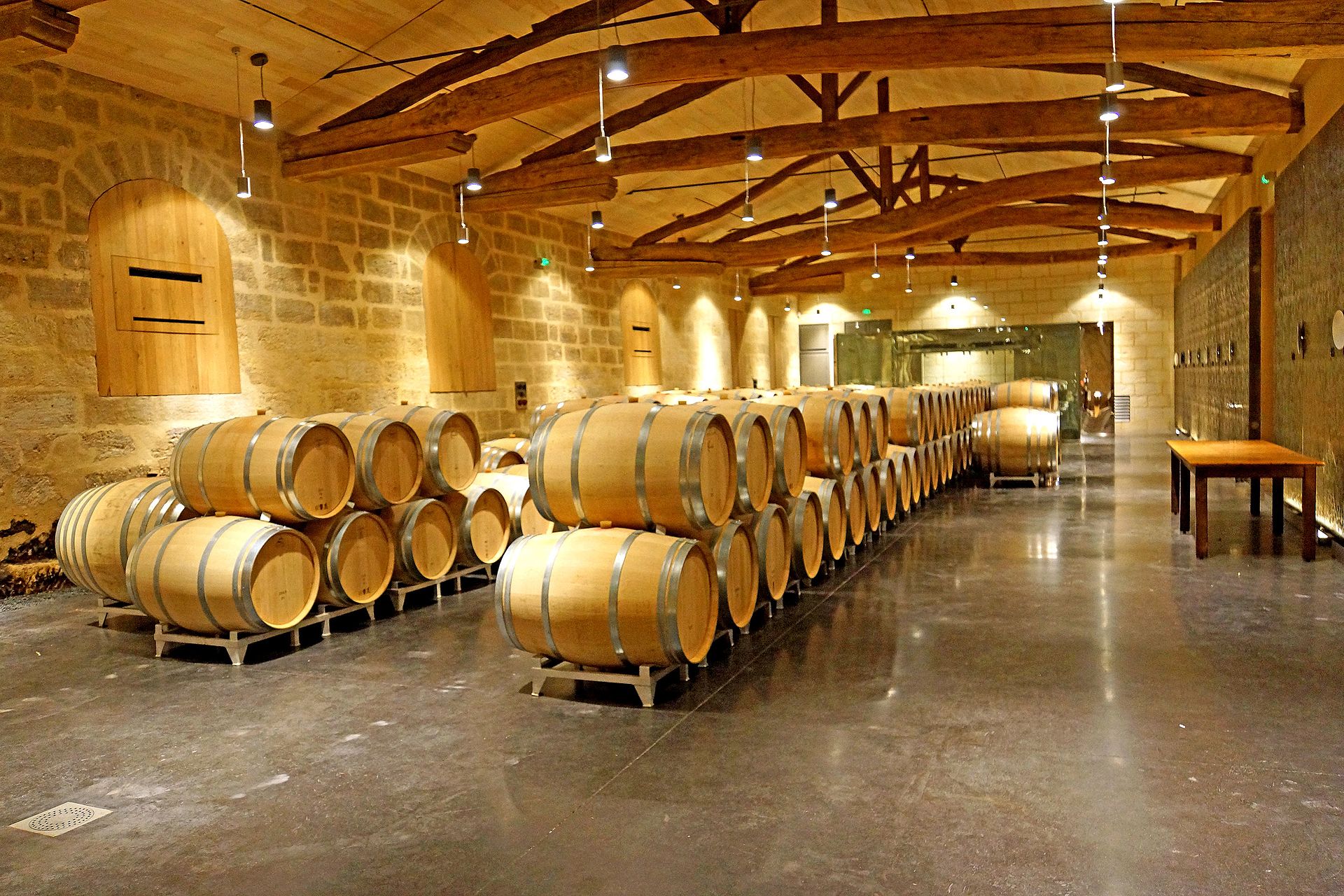
The style at Amiot is classic in the best sense-subtler now than it once was. Grapes are hand-harvested, the must ferments in French oak barrels. During aging, the fine lees are stirred-a technique called *bâtonnage*, which swirls the sediment on the barrel floor, giving the wine texture and hints of brioche and hazelnut without making it heavy. Malolactic fermentation, which softens sharp malic acid into milder lactic acid, happens spontaneously, at cellar temperature, without rush. What matters most is time. The aging of the top cuvées now takes nearly two years-longer than at many neighboring estates. Oak is a tool, not a statement: those searching for the bold, overpowering vanilla of new wood will search in vain. The wine should taste of the slope, not the barrel. This is a philosophy, not a trend. And it explains why these white wines often seem almost austere when young, only revealing their full hand after five, eight, or even ten years.
Why These Wines Stand Out
In white Burgundy, some houses are louder, pricier, more celebrated. What sets Amiot apart is a rare balance: one foot in the sacred-Montrachet-and a whole leg in vineyards you can actually open and drink without risking a fortune. The Premier Crus of Chassagne aren’t mere bycatch next to the Grand Cru; they’re the heart of the work. Then there’s the continuity. A century, one family, the same vines, a generational handover without rupture. In a region where parcels change hands every few decades between heirs and investors, that’s a value in itself. When you drink an Amiot, you’re not tasting a single vintage-you’re tasting the sum of decisions made over four generations: which vines stay, which barrel, which moment to harvest. A sobering note is due. Burgundy has grown expensive, and especially the smallest, rarest cuvées now play in a league where price and pleasure drift apart. Amiot’s Montrachet is a collector’s piece, hardly an everyday bottle. The real truth about this house lies elsewhere: in a mature *Caillerets* or *Vergers*, costing a fraction and telling 90% of the story. That’s where you learn what this family can do-not behind glass in a display case.
1920
Year the domaine was founded by Arsène Amiot in Chassagne-Montrachet
~10 ha
Vineyard area today, spread across Chassagne, Puligny, Saint-Aubin, and Santenay
~2
Barrels of Montrachet produced in a typical year-barely a few hundred bottles
So if you ever find yourself in front of a shelf bearing the Amiot name, don’t let the chase for the unaffordable lead you astray. Reach for the Premier Cru, set it aside for a few years, and open it on an evening when you have time. Let it breathe. What rises from the glass-warm stone, citrus peel, a distant roasted hazelnut-is no accident. It’s a hill in Burgundy that has spent a hundred years learning to speak for itself, and a family that has done nothing but listen.
The Details
What is Montrachet, and why is it considered so exceptional?
Montrachet is a Grand Cru vineyard straddling the villages of Chassagne-Montrachet and Puligny-Montrachet in Burgundy. Covering roughly eight hectares, it produces only Chardonnay. Many connoisseurs regard its terroir-soil, slope, and exposure-as the perfect combination for dry white wine, which is why Montrachet is often hailed as the world’s greatest white wine site.
How large is Guy Amiot’s Montrachet parcel?
About nine ares, or roughly nine hundred square meters, in the sector once known as Dent de Chien. In a typical year, this yields around two barrels-a tiny quantity that makes the wine rare and correspondingly expensive.
Which wine is worth trying if Montrachet is too hard to find?
The Premiers Crus from Chassagne-Montrachet-especially Les Caillerets and Les Vergers-as well as Puligny-Montrachet’s Les Demoiselles. They cost a fraction of the Grand Cru, are more readily available, and clearly reflect the house style. A few years of aging bring out their best.
What does Amiot’s style taste like?
Dry, with bright acidity and a restrained rather than opulent profile. Fermented in oak barrels and aged sur lie with bâtonnage, yet without overpowering wood. Young vintages often feel taut; with a few years, they develop citrus, stone, hazelnut, and a creamy texture.
❖
Sources for facts: Domaine Guy Amiot et Fils (self-reported), Jasper Morris “Inside Burgundy.” Title image source: Wikimedia Commons / Benjamin Smith, CC BY-SA 4.0.
Jakob Bach writes for InspiredByLuxury about what’s worth experiencing – and what endures. This column reflects a personal perspective, not paid promotion. Recommendations stem from curiosity, not commission.
//Taste
More from //Taste
What belongs on the plate and in the glass. Craftsmanship, provenance, and the art of fine flavor. Stay in //TASTE. To the section →

 //TASTE