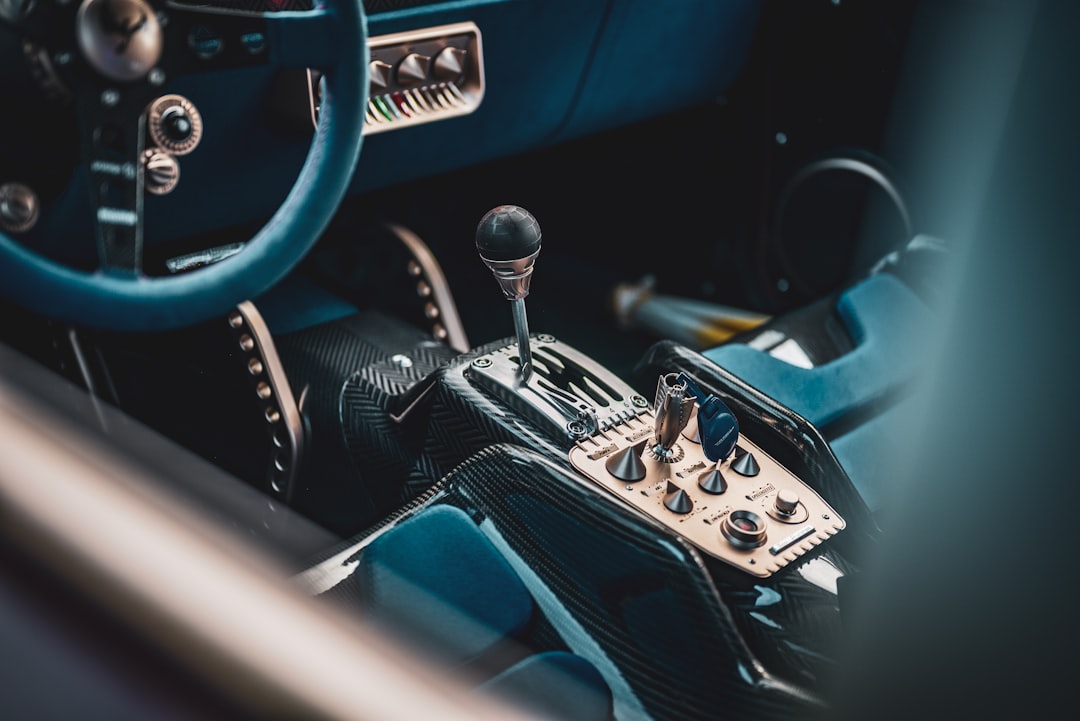
The Garage as the House’s Most Beautiful Room
Climate-controlled halls, lounges, and turntables: serious collectors haven’t built storage closets for years-they’ve built interior spaces for their cars.

 //DRIVE
Climate-controlled halls, lounges, and turntables: serious collectors haven’t built storage closets for years-they’ve built interior spaces for their cars.
For a long time, the garage was the most unimportant room in the house. Concrete, fluorescent tubes, an oil stain, a shelf with winter tyres somewhere. Now that space is changing radically because collectors have stopped parking their cars and started housing them.
If you love a car, you quickly realise the standard garage doesn’t do it justice. Moisture, fluctuating temperatures, dust-all of it eats away at a vehicle that’s supposed to be preserved. Out of that contradiction, a dedicated market has emerged.
Today, specialists design garages like interiors. Providers such as UNIQUE GARAGES deliver custom halls with lounge areas, panoramic walls, light ceilings and even turntables for the cars. The garage is no longer the end of the house; sometimes it’s its hidden focal point.
The trigger is simple. When a car is more than a means of transport, you want to spend time with it-not just inside it, but in front of it. A space that makes that possible isn’t a garage in the old sense any more.
As spectacular as light ceilings look, the heart of a serious collector’s garage is invisible. It’s the climate. A car that’s meant to stand for years needs constant temperature, low humidity and clean air; otherwise rust and material fatigue work unseen.

Providers like HUBRAUM run temperature-controlled halls with stable climates, dust-minimised storage and level-sealed parking surfaces. Klima-Lounge, by contrast, uses modern HVAC units and insulation technology to target-condition rooms. This isn’t decoration; it’s asset preservation.
That’s where a true collector’s garage parts ways with the merely decorated one. Anyone can build a pretty wall. Keeping a stable indoor climate for years is engineering – and it decides whether a car is in the same condition in ten years.
A good garage isn’t measured in square metres; it’s measured by whether you actually want to stay inside.
Once the climate is solved, the design begins. Garage-design studios craft interiors with lifestyle character: targeted lighting, sophisticated ceiling structures and even sound. Glass-Garage builds halls from tempered glass and aluminium that combine weather protection with almost museum-like transparency.
What emerges resembles a showroom more than a garage: controlled light on paint and chrome, a lounge to sit in, quiet materials on the walls. The car isn’t parked; it’s staged like the object it already is to its owner.
It’s not about showing off. The best of these rooms are quiet, almost restrained. They put the vehicle at the centre, not the surrounding fittings. That’s what separates a well-thought-out garage from an expensively furnished one.
The entry point is more affordable than many expect. At HUBRAUM, climate-controlled parking spaces start at around €213 per month including VAT and power connection; the mid-tier option is about €260, and the premium spot around €344. In return, your vehicle stays air-conditioned, clean, and secure.
Additional services underscore the seriousness of the concept. HUBRAUM, for example, offers an engine-run service that gently warms the motor-up to twice a month-plus tyre services including pressure checks. If you’re building rather than storing, Fahrengold delivers modular, architecturally precise garage designs, while LUXHAUS presents the Garage Vario as a stylish extension to the main residence.
At the top end, the line between garage and living space dissolves entirely. When the lounge feels more inviting than some living rooms, the question flips from whether the garage belongs to the house to whether it might actually be the better part of it.
The clearest sign of this shift is that the cars themselves now help shape the floor plan. Owners with multiple vehicles design the house around them-planning driveways, ceiling heights, lifts, or turntables. The collection stops being an afterthought and becomes part of the architecture.
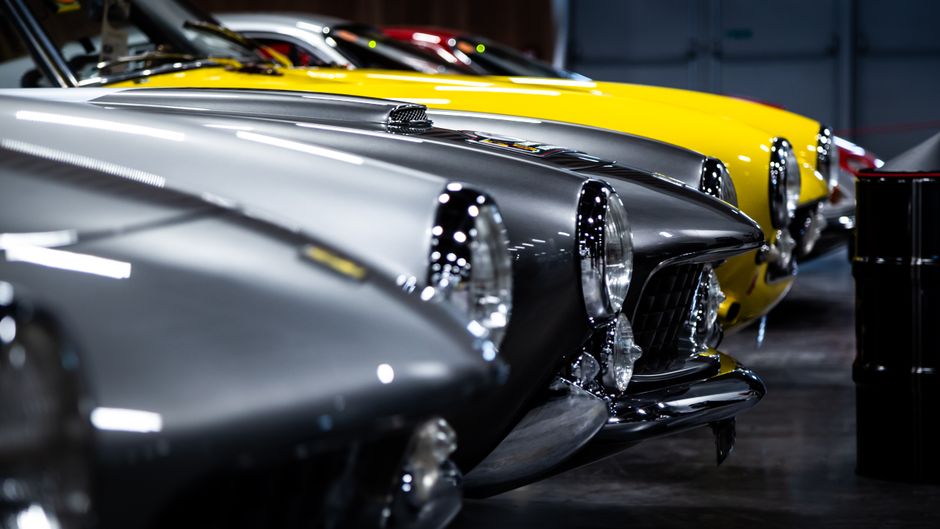
In doing so, the garage reclaims a role it once held when carriage houses and coach houses were integral to any estate. Today’s version, however, is climate-controlled, well-lit, and thoughtfully designed rather than draughty and dark.
Ultimately, it boils down to one simple question: do you spend time in your garage because you have to, or because you want to? Build the space right, and every day you’ll answer with the second option.
Steady temperature, low humidity, and clean air protect paint, metal, rubber, and electronics. Without controlled conditions, vehicles age even when stationary. Preserving value starts with the room’s climate.
Specialised providers like HUBRAUM charge from around €213 per month including VAT and electricity; premium spots reach about €344. Custom builds cost significantly more.
Primarily climate control, material quality, and design. Lounge areas, light ceilings, turntables, and sound systems are part of the package at specialist providers, but climate remains the most critical element.
In the end, the new garage isn’t a status symbol-it’s a consequence. When you truly cherish a car, you eventually give it the space it deserves, and then discover you’d rather be there yourself.