
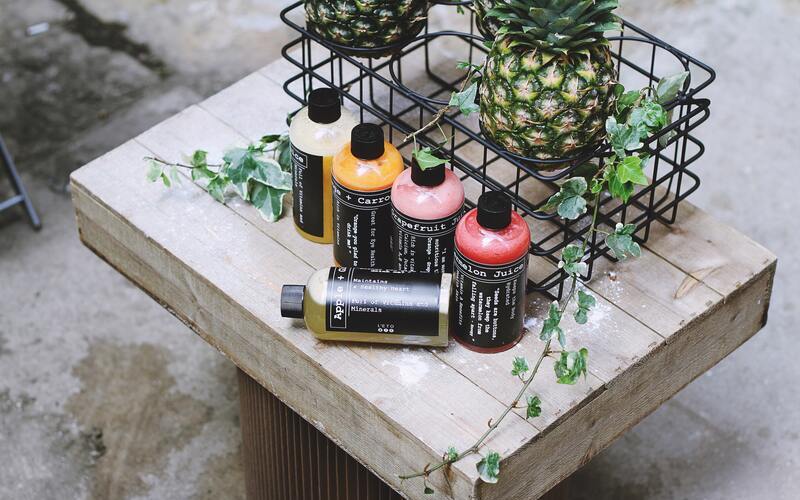
Juice Cleanses: What Are the Benefits and Do They Really Deliver on Their Promises?
Juice cleanses, or juicing, have gained increasing popularity in recent years. Many advocate for them. The question is: Do they actually help?
In 2022, we reported on juice cleanses as juicing transitioned from an influencer trend into everyday life. The retrospective remains sober: A juice cleanse can be a short reset, but it does not replace a sensible diet.
- The article described juice cleanses as a short-term dietary form, usually lasting three, five, or seven days.
- LiveFresh, The Frank Juice, and Kale&Me were mentioned as providers offering different sets.
- The limits remain important: low protein intake, high fructose content, and no permanent solution.
- Anyone planning a cleanse should follow the provider’s instructions and consult a doctor beforehand to see if it is suitable.
What Juice Cleanses Can Actually Be
Juice cleanses thrive on a beautiful concept: a few days of only juice, the body feels lighter, daily life gains a clear edge. The original article raised exactly this question: What does it achieve, and does it deliver on the many promises? The honest answer is less glamorous than the advertising suggests. A juice cleanse can help break eating habits for a short time. It can remind you how often you eat mindlessly, drink coffee, or reach for sugar out of habit. That’s not nothing.
At the same time, one shouldn’t attribute more to it than it can deliver. The original text focused on weight loss, well-being, digestion, and the idea that doing something good with more fluid helps. This can feel subjectively positive. However, it remains a time-limited program, not a permanent diet plan. Anyone who returns to the same patterns after three days of juice cleansing has experienced primarily a brief interruption.
The progression mentioned back then is interesting: three days for beginners, five days for those with some experience, seven days for anyone wanting to address unhealthy habits more consciously. This logic makes sense because it sets a limit. A cleanse doesn’t automatically gain quality just because it lasts longer. Especially when juicing, duration is a crucial factor.
A juice cleanse isn’t a lifestyle promise. It’s a short break from usual eating, and that’s how it should be treated.
Three, Five, or Seven Days Is No Small Matter
Three days are the gentle entry point. You learn how your body reacts to the change without making a whole week out of it immediately. The article described this variant as a good start for beginners, also because it can kickstart digestion and reduce cravings. But the most important effect is mental: You notice which routines are real hunger and which are just automatism.
Five days were described as the next step for people already experienced with juice cleanses. Many report better sleep during such phases. The old text attributes this partly to abstaining from alcohol and caffeine during this time. This is a plausible point, but it also shows: Not always is the juice the whole magic. Sometimes, omitting things works best.
Seven days represent a clearer intervention. The article centered here on combating unhealthy habits. Fruits and vegetables provide vitamin C and antioxidants, but the cleanse remains one-sided. Precisely because of this, it belongs planned, not improvised. Putting supermarket juices in the fridge and building a cleanse around them is not a good idea. Providers specify dosage, sequence, and duration. This doesn’t remove thinking from you, but it gives the endeavor structure.
Providers, Limits, and the Right Moment to Stop
The original article named three providers. LiveFresh has been producing functional cold-pressed juices and shots since 2016 and offers cures for three, five, or seven days. The Frank Juice focuses on six cold-pressed juices per day and delivers them to your home. Kale&Me emphasizes regional sourcing, sustainability, recycling, and climate-neutral business practices since 2020. These are different signals, but what matters most to you is: Does the program fit into your daily routine?
The critical points must not be overlooked. Juices provide little to no protein, many contain high amounts of natural sugar, and a juice-only phase is not complete nutrition. This does not mean every cure is bad. It simply means they should remain short. Anyone who exercises, takes medication, is pregnant, is in poor health, or gets stressed just thinking about deprivation should be particularly cautious.
The best approach is unremarkable: seek medical advice beforehand, do not extend the cure, plan for sufficient rest, and avoid falling back into reward eating afterward. Then a juice cure can be a consciously set break. Nothing more, but also nothing less.
The day after is equally important. If you immediately return to heavy, late, and distracted eating, you miss out on the actual benefit of the pause. A calmer transition with simple meals and plenty of water is better. This way, the cure leaves at least a small reminder that nutrition doesn’t always have to happen on autopilot.
The good benchmark, therefore, is not how strictly you stick to it. The good benchmark is whether you can clearly recognize afterward which habits serve you well and which have merely become convenient. This insight is truly more valuable than any promise of quick transformation.
Preparation is decisive too. Plan the days so that no major meals, long evenings, or particularly stressful appointments interfere. A juice cure is easier if it doesn’t have to work against your calendar. This sounds trivial, but it saves exactly the friction where many such endeavors fail.
And one more thing: You don’t need to make it a ritual that’s constantly repeated. The old article spoke of doing it occasionally throughout the year. That is precisely the reasonable limit. Test briefly, observe consciously, then eat normally and better again. This trend really doesn’t need more pretension at the breakfast table. That is its quiet strength.
Good to Know
▸How long should a juice cure last?
The original article mentioned three, five, and seven days. Three days suit beginners better, five days people with experience, and seven days only if you approach the restriction consciously and planned.
▸Can I use supermarket juices for a juice cure?
The article advised against this. A provider with clear instructions makes more sense because otherwise sequence, quantity, and duration quickly become arbitrary.
▸For whom is a juice cure not a good idea?
If you have health issues, take medication, or are unsure, you should consult a doctor beforehand. A cure is a short-term project, not a permanent diet.


