
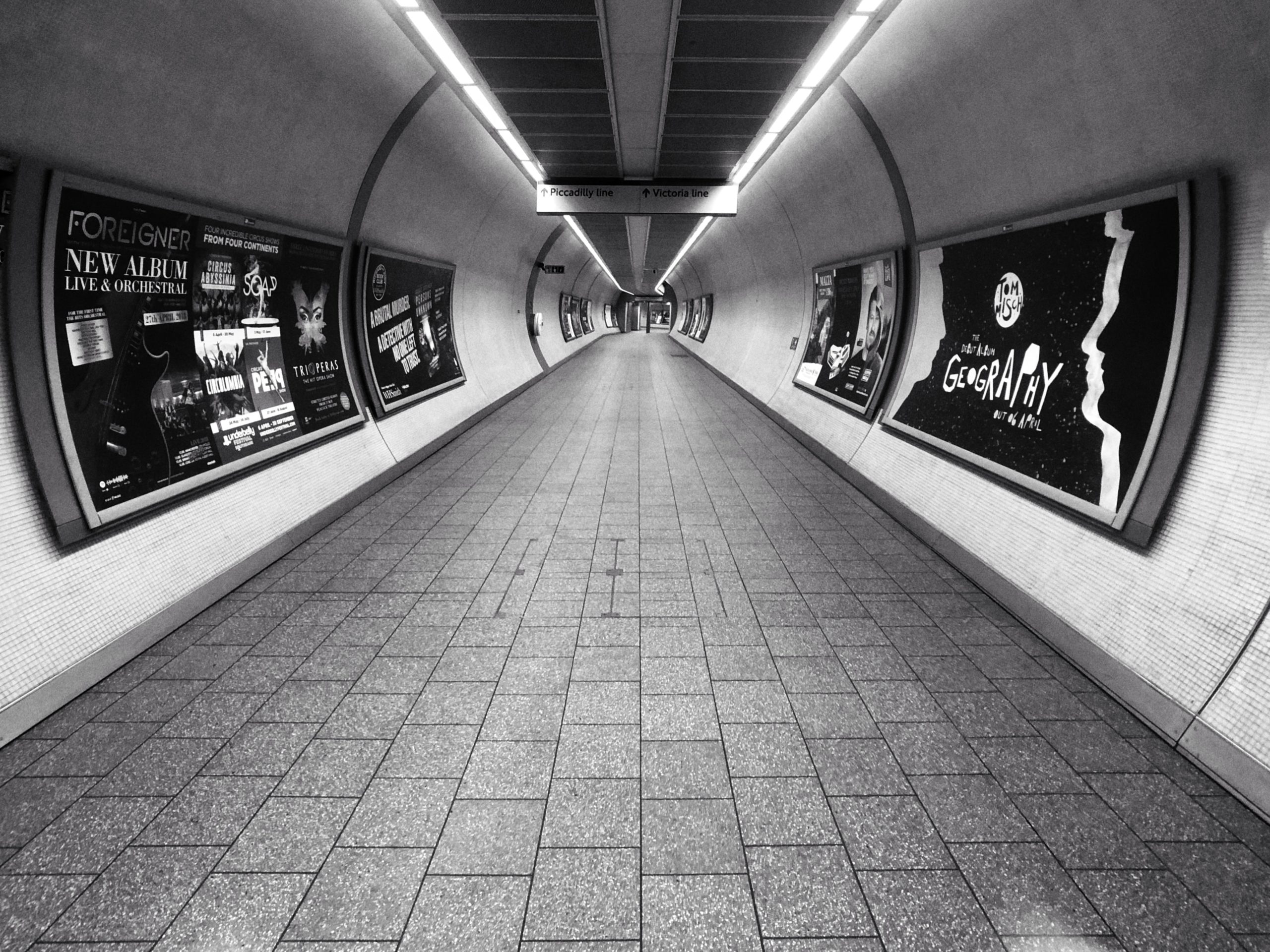
Native Advertising: the innovative marketing channel
In 2021 we introduced native advertising here as an advertising channel that many had not yet on their radar. Four years later, it has become one of the few growing segments in the digital advertising market. Let’s take a look at what has become of it.
When we wrote about native advertising in September 2021, it was still uncharted territory for many PR and marketing teams. Today, we can trace what has become of it: an advertising format that is growing while traditional banner ads lose ground. Here’s the honest stock-take-and why it should matter to you if you have something to say that needs more than three lines.
- Native advertising means editorial recommendations in a magazine environment, not the classic banner ad on the side of the page.
- Studies show click-through rates that are many times higher than those of display banners because the format bypasses the so-called banner blindness.
- Readers view native ads far more often and linger longer than with traditional ads.
- While the display market shrinks, native is one of the growing segments in the digital advertising market.
- For topics that need explanation-from luxury products to B2B solutions-this format is especially compelling.
Anyone working in PR or marketing is constantly searching for channels that can deliver products and services to the right audience. Most budgets end up with Google Ads or the usual social platforms-LinkedIn, Facebook, Instagram. The question that arose in 2021 remains just as relevant in 2026: How well do these channels actually perform for content that needs explanation and can’t be distilled into a single image and three lines of text?
Whether you’re sitting in an agency or as a press officer in a company, PR often chases ambitious goals: a certain number of publications, the resulting website visitors, sheer reach. A strong network alone is increasingly rare, and the financial pressure on publishers is intense. That leaves a deep dive into the wallet-or a format that works differently.
What Native Advertising Actually Is
Native advertising consists of editorial-style reading recommendations on established online magazines, often placed beneath the main articles in the style of “You might also be interested in…”. The ad adopts the form and tone of the environment in which it appears. Instead of interrupting the reader with a flashing banner, it meets them where they are already reading and guides them to a relevant piece.
The key difference from classic search or banner advertising is precisely this contextual fit. On Google, someone actively types a search query. With a banner, the ad fights what experts call banner blindness: readers simply tune out the advertising space at the edges of the page. Native ads sidestep this reflex because they don’t feel like intruders; they read like the next article worth reading.
The banner fights for the reader’s attention. The native recommendation borrows it from the editorial context.
What Has Become of the Channel Since 2021
The compelling story is told by the contrast between two curves. For classic display advertising, market watchers forecast a downward trend by 2025, while the overall digital ad market keeps growing. Native advertising sits on the right side of this shift: industry analyses rank the format among the fastest-growing segments in digital advertising, with double-digit annual growth projected for the coming years.
That tallies with what effectiveness studies reveal. Readers look at native ads noticeably more often than classic banners, according to neuro-physiological eye-tracking tests, and spend more time with the content. Click-through rates cited in studies run many times higher than those achieved by display banners; some evaluations mention almost nine times the rate. Such figures vary widely by sector, environment and measurement method, but the direction is consistent across studies.
Why This Matters for Topics That Need Explaining
This is where the practical leverage lies. A product that needs explaining-whether a handcrafted luxury object or a complex B2B solution-can rarely be sold in a banner. A native ad points to a full editorial piece where the story can breathe. If you want to see how a brand becomes a coveted object through strong storytelling, look at cases like the Prada × Adidas collaboration, where a sneaker became a luxury item. And where attention for fashion and brands converges, you’ll find stages such as the Berlin Fashion Week. Reach is built where content and context align, not where the shouting is loudest.
Precise audience targeting and carefully crafted preview text let you zero in on the right readers. The quality of visitors who arrive this way is correspondingly high. With a comparable budget, a native campaign delivers far more qualified readers than a classic social campaign, because the format suffers far less from wasted impressions caused by ad blindness.
Quick Answers
▸Is native advertising the same as a banner ad?
No. A banner is a clearly defined advertising space on the side of the page. Native advertising adopts the form and tone of the editorial environment and appears, for example, as a recommendation beneath an article. This is precisely how it bypasses banner blindness-the reflex with which readers ignore traditional advertising spaces.
▸How much better does native perform compared to classic display advertising?
Studies cite click-through rates that are several times higher than those of display banners, with some evaluations reporting around eight times as many clicks. These figures vary significantly depending on the industry and measurement method, but the trend remains consistent across numerous studies.
▸Will this format still be worth it in 2026?
The contrast speaks in its favor. While classic display advertising is expected to decline, native advertising is one of the growing segments in the digital advertising market, with double-digit growth rates. It remains particularly relevant for content that requires explanation and context.
▸Which topics are especially suited to native advertising?
Above all, content that needs explanation and context and cannot be conveyed in a single image and three lines. This ranges from high-end lifestyle or luxury products to complex B2B solutions.


