
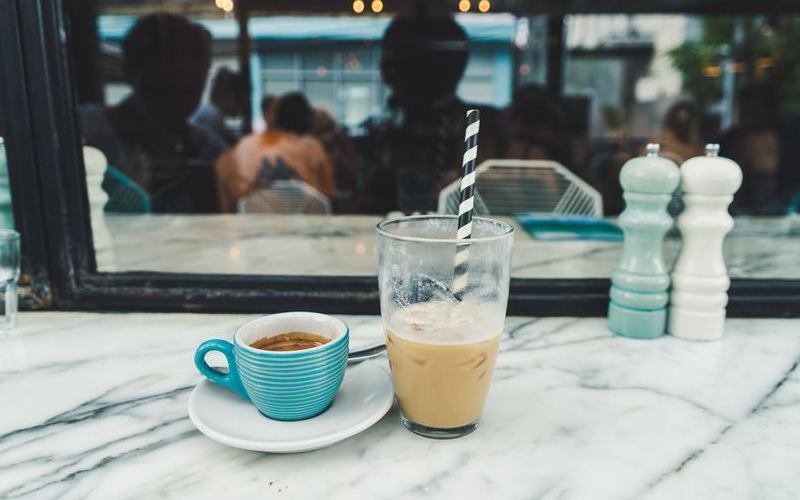
The Last Straw – Or Is It?
By 2021 at the latest, plastic straws will no longer be found in supermarkets and restaurants across the EU. To ensure cocktails, smoothies & Co. remain enjoyable, here are the best plastic-free alternatives.
In 2019, we wrote about the last plastic straw. By 2021 at the latest, plastic straws were supposed to disappear from supermarkets and restaurants in the EU. The original article presented three alternatives: metal, paper, and macaroni. In retrospect, this was less of a trivial matter and more of a style test.
- The article cited 40 billion plastic straws consumed annually in Germany.
- Only a few of these were recycled; many ended up in waste incineration, landfills, or nature.
- Metal straws were described as a durable reusable option.
- Paper straws were inexpensive and biodegradable but softened after about 30 minutes.
- Macaroni worked as a surprisingly simple alternative but became soft with hot drinks.
Why a straw suddenly became important
The original piece took a small object seriously. A plastic straw seems harmless because it is light, colorful, and quickly forgotten. That is precisely the problem. It is used for minutes but remains in the world for a very long time afterward. The text cited 40 billion plastic straws consumed annually in Germany. Very few were recycled.
The rest ended up on landfills, in waste incineration plants, or, worst of all, in nature. The decomposition time was stated as 500 years. You don’t need to make a grand moral sermon out of this. The number speaks for itself. An item that accompanies a drink should not last longer than a building.
Sustainability becomes credible when it doesn’t stop at the small details.
Interestingly, the text did not condemn cocktails, smoothies, or beautiful decor. It sought alternatives so that enjoyment could continue. This is better sustainability: not abstinence as a pose, but a different solution for the same moment.
Metal is the robust solution
The metal straw was described as the perfect alternative for home or work. It is nearly indestructible and can often be cleaned in the dishwasher. It comes in thick, thin, with or without a bend, and even with an integrated spoon. For someone who regularly drinks smoothies or cocktails, this is obvious.
The old text did not hide its weaknesses. Metal can cause a slightly metallic taste. Some find the cold, solid material in the mouth unpleasant. Exactly this honesty makes the recommendation useful. Sustainable items do not have to work equally well for everyone. They must be tried out.
Stylistically, metal is the calmest variant. No pattern, no party look, no disposability. In a good glass, a plain metal straw does not look preachy, but consistent. It fits drinks that want to be taken seriously anyway.
Paper and macaroni are charming, but limited
Paper drinking straws appeared in the piece as a cheap, biodegradable alternative. They come in various lengths, widths, colors, and patterns. For a garden party, this is practical because it combines decor and function. The disadvantage is clear: after about 30 minutes, paper softens, then the straw goes into the trash.
The macaroni was the most beautiful surprise. A noodle with a hole in the middle is found in almost every supermarket, is inexpensive, and works in many cold drinks. The text was realistic: with hot beverages, it becomes soft, and after about 20 minutes, it is no longer usable. Nevertheless, this solution has charm because it requires no special product.
Both variants show that sustainability sometimes needs playfulness. Not every solution must look like it came from a design shop. Paper may suffice for a celebration. Macaroni brings a smile to the table. Metal remains the option for everyday use.
What you can take away from this
The straw is not a big issue until you hold it in your hand. That is exactly why it serves as a good entry point. Those who switch here quickly notice which solution fits their own life. At home, reusable options make sense. With guests, paper can be practical. For a spontaneous drink, the macaroni idea is better than its reputation.
The old piece still works today because it does not remain abstract. It does not talk about sustainability as a grand concept, but about cocktails, smoothies, and material in the mouth. That is closer to life. If an alternative is unpleasant, it will not be used. If it looks good and functions well, it stays.
Luxury sometimes begins with the question of whether a detail has been thought through. A drink with a beautiful glass, good ingredient, and matching straw does not look worse because no plastic is involved. On the contrary. It shows that someone looked all the way to the end.
The Details Reveal the Stance
A straw is small enough to be ignored. That’s precisely why it speaks volumes. Paying attention to material when having a drink shows that sustainability doesn’t start with grand decisions. Metal, paper, or macaroni aren’t perfect world-saving solutions. They are concrete improvements in a place where plastic was once taken for granted.
The original text worked well because it didn’t sugarcoat the alternatives. Metal can feel cold. Paper gets soggy. Macaroni is charming but limited. This imperfection matters. Sustainable solutions don’t win out because they’re flawless, but because they work well enough in everyday life without causing constant friction.
For a set table, this means: choose the straw that fits the moment. Metal for home use, paper for large groups of guests, macaroni for playful drinks. Then, giving up plastic isn’t about wagging a finger, but making a small, curated choice. That’s exactly how it should be.
The IBL Perspective
As an archive refresh, this text shouldn’t pretend the old news is new. Its strength lies in reading the original observation more clearly. What was just a timely hook, what remains as a stance, and what can you still take from it today? Making this distinction turns legacy content into a piece that fits seamlessly back into the page.
For you, this means: take the concrete details seriously, but not every bit of past hype. Good archive pieces work when they preserve a moment while becoming calmer. They don’t show you what you must immediately buy, eat, wear, or book. They show what to pay attention to when style, daily life, and enjoyment are thoughtfully combined.
Good to Know
▸Which alternatives were mentioned in the article?
Metal straws, paper straws, and macaroni.
▸What are the benefits of metal?
Metal is durable, often dishwasher-safe, and available in many shapes.
▸What is the downside of paper?
Paper straws soften after about 30 minutes and then need to be disposed of.
▸Does macaroni really work?
Yes, for many cold drinks. With hot beverages, it becomes soft and has limited durability.


