Somewhere in a drawer, there’s probably a letter someone wrote to you by hand. You know where it is, even if you haven’t touched it in years. The ink smudged in one spot because the hand moved too fast or the paper was too damp. You recognize the handwriting before you even read the name. Try that with a message from three years ago: you won’t find it, and if you do, it looks like every other.
Key Takeaways
- This isn’t about tech-bashing. The digital age has given us closeness across continents, knowledge at our fingertips, and a thousand conveniences. The loss lies elsewhere-in the small rituals that disappeared unnoticed.
- A ritual isn’t a hobby. It’s an act with a beginning and an end that produces nothing but the moment itself: the letter, the walk, the aperitif at a fixed hour, reading aloud.
- What these gestures share is deliberate slowness and undivided attention-rare enough today to be called a luxury.
- The good news: rituals can be reclaimed. Not all of them, not out of defiance, but one at a time, with intention. One is enough to start.
It’s a subtle difference, and that’s precisely why we overlook it. No one abolished the letter. No one decided that dinner would now be eaten with a phone beside the plate or that an album was something to skip. It happened gradually, in small, reasonable steps – and suddenly, an entire layer of habits was gone without us noticing the moment of farewell.
This isn’t a lament for the past. If we’re honest, we’ll admit how much digital life has given us: video calls with grandparents, the world’s knowledge in our pockets, friendships surviving across time zones. It would be petty to dismiss that. But between more possibilities and a richer day, there’s a gap-and in that gap, the rituals have vanished.
What a Ritual Really Is
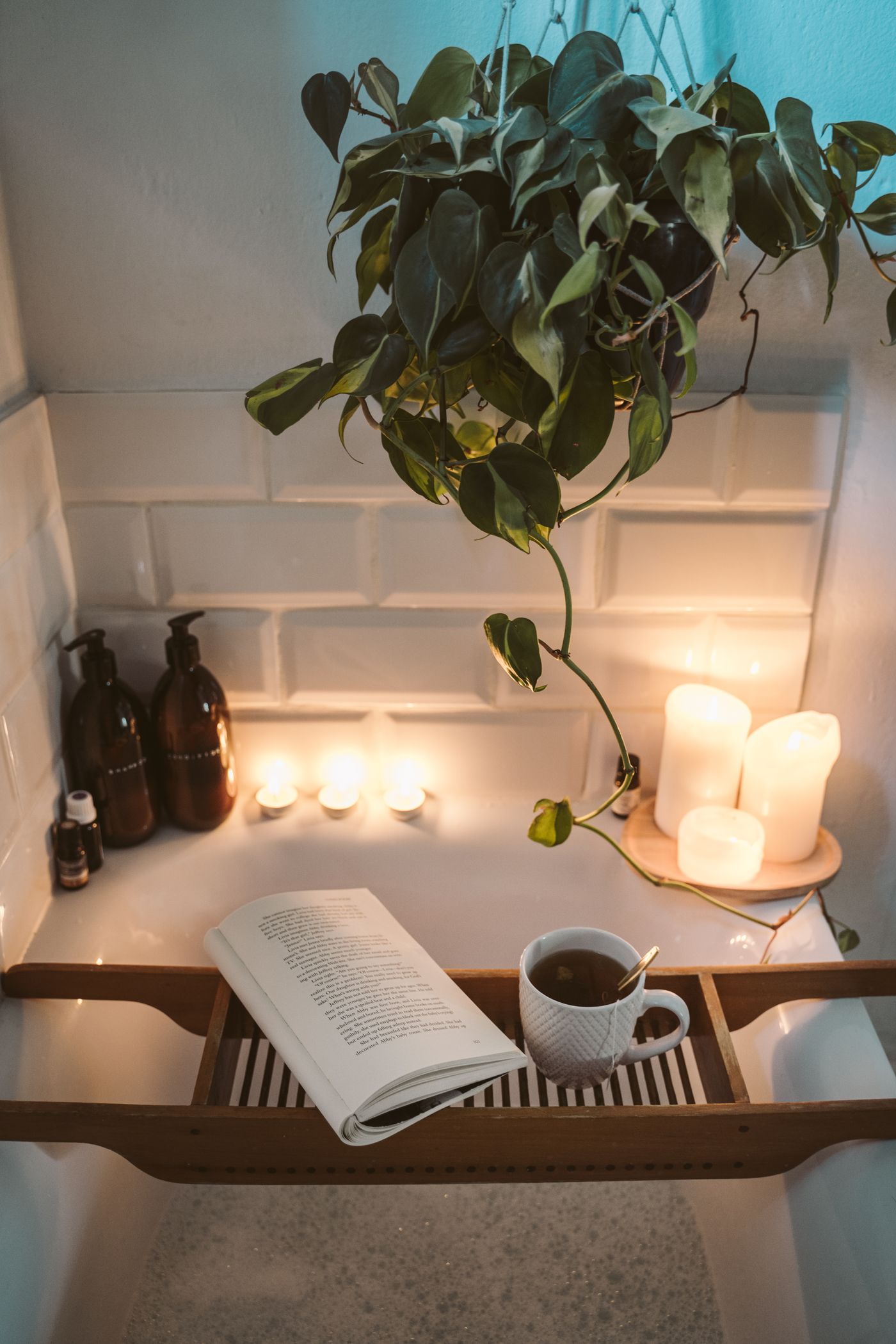
A ritual isn’t a hobby or a task. It produces nothing, can’t be optimized, and doesn’t belong on a to-do list to check off. It has a beginning and an end, and in between, only itself. The aperitif at seven isn’t just a drink-it’s a boundary between work and evening. The Sunday walk doesn’t lead anywhere; that’s the whole point. Reading aloud at bedtime doesn’t make a child fall asleep faster-it just gives you twenty minutes where two people share the same story.
That’s what makes rituals vulnerable in a world that measures everything by output. They seem like wasted time, and wasting time is seen as a mistake. An app promising the same feeling in five minutes instead of an hour sounds like progress. It misses the point: the hour *was* the point. You can’t shorten a ritual without destroying it.
And rituals demand what’s become scarcest: undivided attention. Not half-listening while scrolling, not a conversation interrupted every four minutes by a notification. But full presence, devoted to one thing. That this kind of presence has become rare says more about our days than any screen-time statistic.
You can’t shorten a ritual without destroying it. The hour was the point, not the outcome.– InspiredByLuxury // Culture
The Letter and the Voice
Take the handwritten letter. It’s slow in every way: in the writing, in the sending, in the waiting for a reply. It allows no corrections, no afterthoughts, no “typing…” status. What’s written, stays written. Perhaps that’s precisely its value: it forces you to finish a thought before it leaves the house. You send a message to get rid of it. You write a letter to arrive.
Closely related is the conversation without a second screen. You know the scene: you’re sitting together, and on the table lies a phone-display down, a small concession. Yet it still glows. Every time it lights up, the person across from you is alone for a second. A conversation where no one is allowed to be elsewhere is almost a gift these days, and it costs nothing but the courage to leave the device in another room.
Reading aloud belongs here too, whether for a child or among adults-a rarity now, but not lost. A voice carrying a story does something no audiobook can replicate: it pauses when someone asks a question. It slows at the sad part. It belongs to this evening and no other.
The Album You Listen to All the Way Through
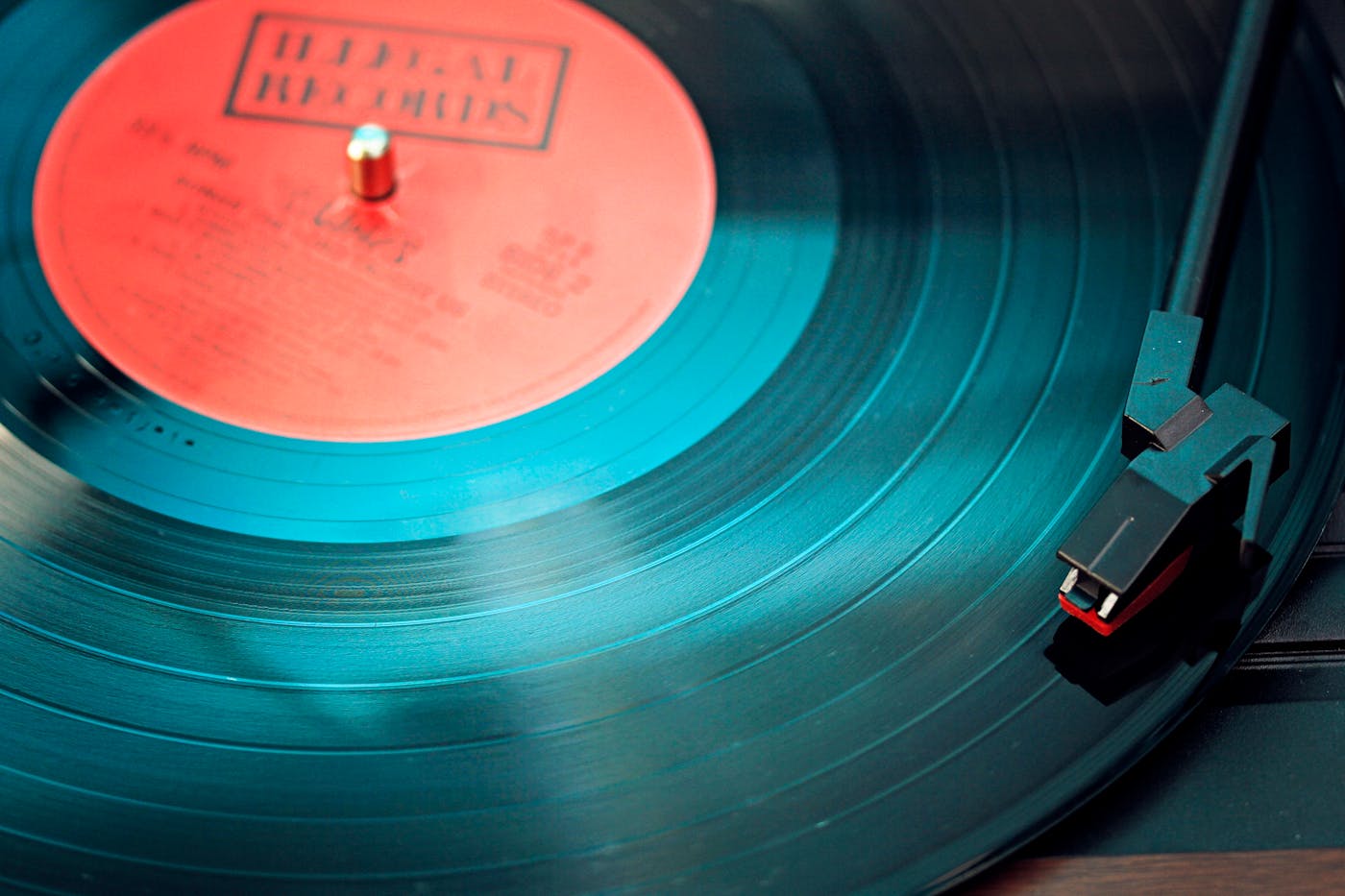
There’s a small act of resistance that costs nothing and harms no one: listening to a vinyl record or an album from start to finish, without skipping a single track. The order was once a composition. An artist carefully considered which song follows which, where the quiet moments lie, and where the breaks. Those who skip hear only fragments. Those who listen to the whole hear the work.
Vinyl isn’t the focus here out of nostalgia, but because it enforces its own slowness. You have to get up, take the sleeve, place the record, set the needle. After twenty minutes, you flip it. These small obligations aren’t a burden-they’re the ritual. They turn listening into an act, not just background noise. That vinyl has been growing for years isn’t a coincidence: people aren’t buying better sound-they’re buying reclaimed attention.
The Table, the Hour, the Walk
Three rituals share a fixed form: the long dinner, the aperitif at a set time, the Sunday stroll. They all carve a boundary into the day-and boundaries are exactly what we’ve lost since work, entertainment, and distraction merged into the same device, one that never truly switches off.
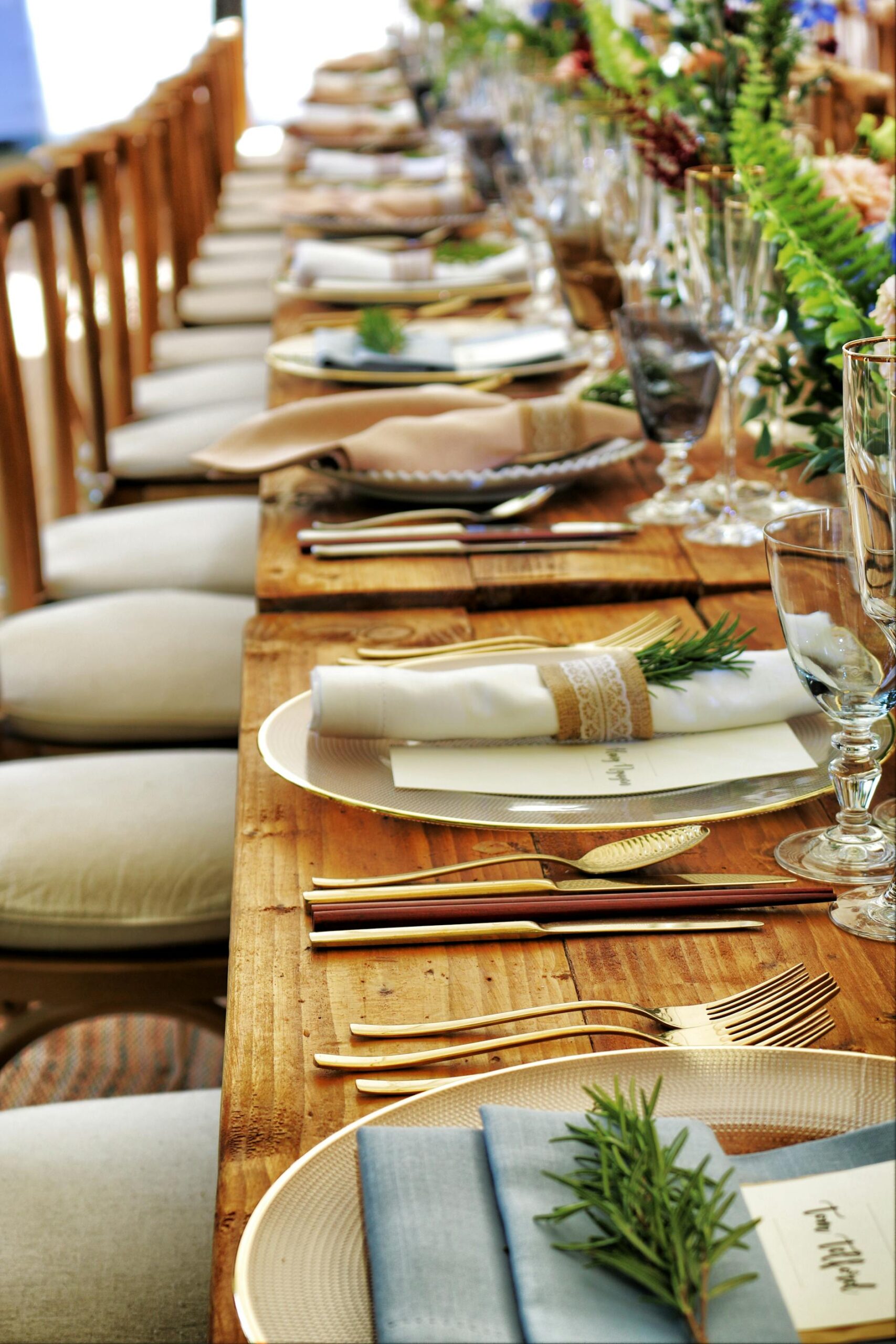
The long dinner isn’t about the food; it’s about the time spent at the table after the plates are empty. The second glass, the conversation that doesn’t need to go anywhere, the moment when no one checks the clock. The aperitif at a fixed hour does something similar with less effort: it declares the workday over, drawing a line. What matters isn’t the drink, but the reliability of the hour.
And the Sunday stroll, seemingly the most old-fashioned of all rituals, might just be the most radical. It has no goal, no steps to count, no route to optimize. You walk to have walked, not to arrive anywhere. In a culture that turns every movement into data, a purposeless walk is almost a provocation – and that’s precisely why it’s so restorative.
Seven Worth Embracing
The handwritten lettera thought completed before it leaves the house.
The long dinner without phonestime at the table after the plates are cleared.
The Sunday strolla walk without a destination, without counted steps.
Reading alouda voice that pauses when someone asks a question.
The aperitif at the set hourthe line between work and evening.
The album, listened to in fullthe work, not the fragments.
The conversation without a second screenundivided presence.
Slowness as Luxury
It’s a curious twist that slowness has become the expensive commodity. Speed used to be the privilege of the wealthy-whoever was faster, was richer. Today, the opposite is true. Being fast and constantly available is now the norm. What’s truly rare is having an hour that belongs to no one else, no screen in sight, no sound demanding a response. Tomorrow’s luxury isn’t the device with the most features. It’s the permission to be unreachable, just once.
And here, a thread runs through this entire issue. It’s about the car built to last. The objects that age with dignity instead of becoming obsolete. The authentic over the merely shiny. These lost rituals are the same theme, translated into daily life: even a habit can age with dignity. A letter from twenty years ago has only grown more beautiful. A message from yesterday is already forgotten.
You don’t need to bring everything back-and certainly not out of defiance toward the present. That would be just another pose. It’s about choice, deliberate and individual. Maybe it’s the letter you write by hand this week instead of typing. Maybe it’s the phone left in another room during dinner. Maybe it’s the album you listen to from start to finish, without your finger hovering over the skip button. One is enough. One is the beginning.
The letter in your drawer has survived all these years because someone wrote it by hand, at a particular table, on a particular day, just for you. It’s not too late to leave someone such a gift. You just need to pick up the pen before the next screen lights up.
The Details
Isn’t this just nostalgia?
It would be nostalgia if the point were to claim the old is better simply because it’s old. That’s not the case. It’s about a certain quality-undivided attention, a clear beginning and end-that many rituals embody and that digital life has inadvertently pushed aside. This quality is as valuable as ever; the medium is secondary.
Does this mean I should throw away my phone?
No. The digital world has brought enormous benefits, and romanticizing a life without it would be dishonest. It’s not about giving things up, but about setting boundaries-taking back a few hours each day from your device and dedicating them to a ritual. A phone-free space at dinner isn’t a step backward; it’s a choice.
Where do I start?
With the ritual that comes easiest to you, not the hardest. For some, it’s the Sunday stroll; for others, the letter or the full album. One, done consistently, beats seven resolutions that fizzle out after a week.
Why now?
Because undivided attention has become scarce, and scarcity creates value. What was once taken for granted is now a conscious choice – and in the best sense, a luxury. Nurturing the rare is worth it precisely because it’s rare.
❖
Source cover image: Pexels / Mat Brown
Jakob Bach writes for InspiredByLuxury about what’s worth keeping – and what endures. This essay is a personal perspective, not a rejection of the digital. The magazine itself lives on a screen.
//Culture
More from //Culture
The craftsmanship and rituals behind luxury. Why we collect what we preserve. Stay in //CULTURE.
To the Section →

 //CULTURE