Alfa GTAm Recreation: Documentation Over Decibels
The Alfa GTAm Recreation by Fast Classics impresses with meticulous documentation: 2.0 Nord engine, Alfaholics parts, and verifiable motorsport history.

 //DRIVE
The Alfa GTAm Recreation by Fast Classics impresses with meticulous documentation: 2.0 Nord engine, Alfaholics parts, and verifiable motorsport history.
Fast Classics lists an Alfa GTAm Recreation featuring Alfaholics components, a 2.0 Nord engine, and solid provenance. That’s exactly what makes it compelling.
The listing itself needs to take center stage here – not just any red classic. The Alfa shown is the specific GTAm Recreation whose documentation carries this story.
A red Alfa with wide hips struggles to fly under the radar. It commands attention the moment it rolls into view-before the engine even fires up. That’s precisely why this GTAm Recreation stands out. Not because it looks loud, but because its strongest asset is on paper.
Fast Classics describes the car as a meticulously crafted recreation based on a 1971 GT 1300 Junior. Many components come from Alfaholics, including suspension, bodywork, and drivetrain parts. This isn’t a superficial makeover-it’s a transformation that steers the old Alfa toward something far more serious.
With classic Alfas, the story often matters as much as the condition. A car can look stunning yet remain shrouded in mystery. Who built it? What parts are installed? What’s verified, and what’s just hearsay? Fast Classics provides a history file with a dyno sheet, Certificate of Authenticity, and motorsport documentation. For collectors, this isn’t bureaucracy-it’s peace of mind.
The difference is palpable. A recreation doesn’t need to pretend it’s a factory original. It can be honest, as long as it’s well-built. That’s where the charm lies: no false pedigree, just a clean record of craftsmanship.
Fast Classics lists a built 2.0 Nord engine with 1987 cc, Weber carburetors, and 200 hp. In a lightweight, vintage coupé, that’s no footnote. It means the form doesn’t promise more than the mechanics can deliver.
The Alfa thrives on small mechanical truths-the path of the gearshift, the song of the engine, the way a nimble car instantly tells you whether you’re driving cleanly or just *thinking* you are.
Of course, a GTAm Recreation isn’t a sensible car. But there are different flavors of foolishness. The bad kind craves attention. The good kind begs to be driven. This Alfa feels like the latter.
It’s a reminder that luxury in the classic car market doesn’t always mean originality at any cost. Sometimes, it’s the honesty of a well-documented build-a car that doesn’t claim to be more, but shows what it’s truly made of.
A recreation is always under suspicion. Too close to the original, too far from it, too polished, too free, too bold, too tame. That’s why it must start with honesty. It mustn’t pretend to be what it isn’t. The Fast Classics Alfa makes a strong impression here because it lays bare its foundation and construction.
No amount of wide fenders will turn a GT 1300 Junior into an original Autodelta icon. But it can become a serious car if the build is sound, the parts traceable, and the story told with integrity. In a recreation, that matters even more than patina.
Seen this way, “recreation” isn’t a flaw-it’s a contract. The car says: I’m not the original, but I take its spirit seriously. Accept that, and you can love these cars without guilt.
The name Alfaholics appears so often in the spec sheet for a reason. For classic Alfa Romeo 105-series cars, it signals a particular philosophy: light, precise, driver-focused, with respect for the original character. Parts alone don’t make a great car, but they reveal the builder’s intent.
Suspension, brakes, steering, body panels, drivetrain components-together, they don’t create a nostalgic Sunday cruiser, but a car with a clear purpose. Road and track blur here. You have to want that. If you’re just after pretty red curves, look elsewhere.
This uncompromising approach gives the Alfa its appeal. It doesn’t just *look* like a motorsport car-it’s built so the driver has to engage with it. That’s rare these days.
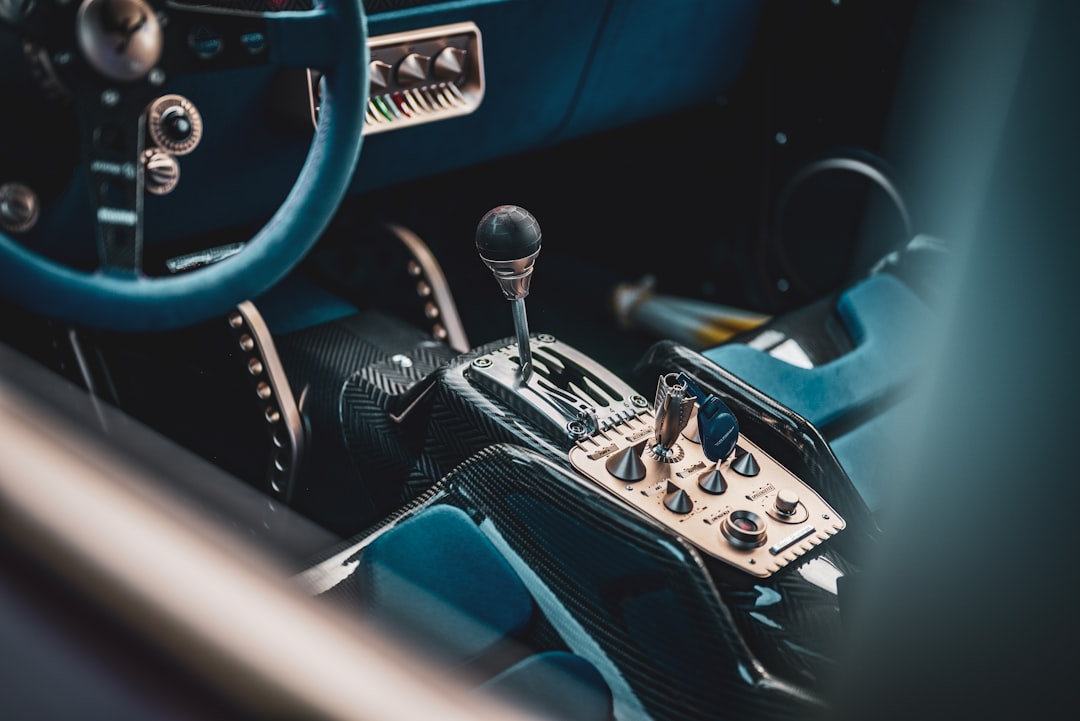
With cars like this, the interior often reveals more than the bodywork. Wide fenders and red paint can promise a lot. Inside, you see if someone *really* wanted to drive. Racing seats, clearly labeled switches, a Momo steering wheel, minimalist trim-this isn’t a lounge. It’s a workplace with style.
Fast Classics describes the interior as purposeful but not soulless. That balance fits. An Alfa recreation can be raw, but it mustn’t feel cheap. It needs materials that invite use and details that don’t scream showroom.
That’s the difference between theater and character. Theater impresses while you stand beside it. Character remains when the door shuts and the first corner arrives.
Modern power figures have spoiled us. 200 horsepower sounds almost modest today-until you put it in a lightweight, vintage coupé. Then you realize power must always be measured against weight, gearing, steering, and trust.
A well-built Nord engine doesn’t need to be monstrous. It needs to rev freely, respond cleanly, and sync with the transmission. When Fast Classics talks about 200 horsepower, Weber carburetors, and a close-ratio Alfaholics gearbox, it sounds less like pub talk and more like drivability.

A good recreation needs less drama than discipline. First the documents, then the sound.
That’s the right kind of fast. Not brutal acceleration, but speed you have to earn. An Alfa that doesn’t carry you-it asks if you can really drive.
A GTAm recreation deserves to look dramatic. In fact, it almost has to. The wide fenders, the low-slung wheels, the red paint-all of it is part of the language these cars speak. The real question is whether the form is more than just a pose. With Fast Classics’ offering, there’s plenty to suggest the presence isn’t just a pretty silhouette-it’s backed by real engineering.
It starts with the foundation. A 1971 GT 1300 Junior isn’t a sacred relic; it’s a solid starting point for an honest interpretation. The result isn’t a factory-original car, but one that captures the spirit of Alfa’s competition era. That distinction matters. It keeps the project from veering into false pathos and lets you focus on what was actually built.
The parts list doesn’t read like a decorative catalog. Fiberglass panels, racing seats, a roll cage, Weber carburetors, a close-ratio gearbox, a limited-slip differential, reinforced body structure-these are the building blocks of a specific driving intent. This car isn’t just for looking at. It’s for putting to work.
That’s what makes the recreation its own category of desirability. Not original, but authentic. Not museum-bound, but meticulously crafted. Not loud for the sake of noise, but loud because a car like this has no quiet nature.
With vintage race and road cars, the line between history and storytelling can get dangerously blurred. One owner knows something, the next adds a detail, a dealer polishes the narrative – and suddenly, probability becomes certainty. Good documentation breaks that chain. It pulls the car out of legend and back into scrutiny.

That’s why a dyno sheet for this Alfa is more than just a piece of paper. It doesn’t just claim performance-it proves it. Motorsport documentation and restoration photos turn a beautiful object into a verifiable one. The difference is subtle, but in the collector market, it’s everything.
This verifiability has style of its own. It doesn’t strip the recreation of its emotion-it lets you embrace that emotion without naivety. You can fall in love with the car and still know exactly what you’re getting into.
Maybe that’s the more mature kind of enthusiasm. Not standing there, dazzled by red paint, engine roar, and flared fenders. But looking closely, checking the work, and then saying: *Yes, this holds up.* And then-please-closing the door and driving off.
This Alfa doesn’t belong in the category of mere eye-catchers. A car with this parts base and documentation demands a different perspective: not whether it’s original enough, but whether its interpretation remains compelling once you look beyond the beautiful surface.
The answer hinges on countless small decisions. A suspension too modern would disconnect the old Alfa. An engine too loud would turn it into a caricature. An interior too perfect would dilute the spirit of competition. Great recreations thrive on sensing these boundaries.
The market, too, is learning to read this honesty more clearly. Not every rebuilt car is suspect, nor is every original car automatically great. Quality comes from execution, traceability, and purpose. These three points matter more in a GTAm recreation than trying to win every debate about authenticity.
For the driver, one simple question remains: Do you want a car that preserves its history untouched in the garage, or one that brings the old idea back to life? This Alfa chooses movement without hesitation.
That doesn’t make it lesser-it makes it freer. It doesn’t have to pretend it rolled straight out of a factory workshop. It can show that someone built their own answer out of love for the design and the drive.
How crucial traceable documentation is for collectibles is also discussed in our feature on surprising auction bids in collector culture. For those who want to understand why the first step often begins with craftsmanship, the Volvo P1800 Cyan offers a perfect counterpart.
No. Fast Classics describes it as a recreation based on a GT 1300 Junior. This very honesty is part of its appeal.
Fast Classics lists 200 hp from a built 2.0-litre Nord engine with 1,987 cubic centimetres.
For recreations and restomods, traceability builds trust. Dyno sheets, certificates, and motorsport paperwork make the build verifiable.
This Alfa lives on the blend of bold presence and verifiable craftsmanship. Only when image, parts list, and documentation align does a recreation become a credible collector’s piece.